
















Rupert Lowe launches Restore Britain as national party, drawing hard-right backing

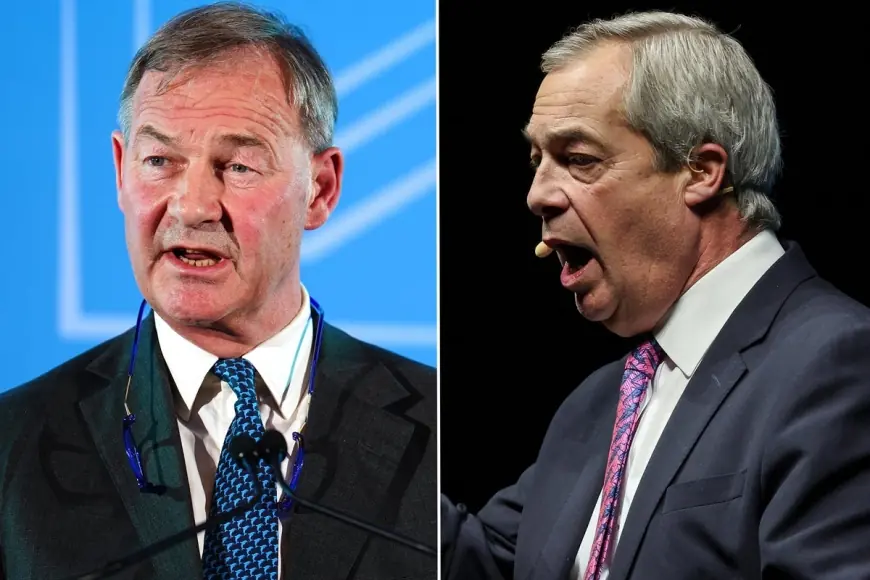
Rupert Lowe formally unveiled Restore Britain as a national political party on Friday night (ET), telling a packed Great Yarmouth audience that his group will pursue hardline immigration policies, including large-scale removals. The former member of another right-wing party introduced five local councillors and said Restore Britain will act as an umbrella for locally based groups such as Great Yarmouth First.
Electoral impact: a new challenger on the right
Lowe’s move deepens a fracture on the right of British politics. The new party arrives as a potential disruptor to an already crowded field: it could siphon votes from established right-wing formations and alter outcomes in tightly fought constituencies. One senior Conservative strategist noted that many parliamentary seats were decided by narrow margins at the last general election, meaning even small challengers could change the arithmetic in marginal races.
Restore Britain’s immediate appeal rests on an uncompromising anti-immigration message and a network of grassroots activists attracted to vocal, nationalist rhetoric. Advance UK, a party led by a former deputy of Lowe’s old party, has expressed openness to merger discussions, while street-level organisers and hardline activists have signalled they may join or cooperate with Lowe’s project. Such cooperation would intensify competition for voters drawn to hard-right, anti-immigration populism.
Backers, controversies and shifting alliances
The launch has attracted attention beyond traditional party structures. A cluster of influential online personalities and activists who promote an exclusionary vision of national identity have embraced Lowe’s cause. High-profile endorsements and amplification from prominent tech figures on social media have boosted Restore Britain’s reach, lending it a visibility disproportionate to its current organisational size.
But the new party is not without baggage. Lowe was suspended last year by his former party amid allegations of threats; prosecutors later concluded there was insufficient evidence to bring charges. That dispute helped precipitate his break and fuel his rhetoric about being targeted by a hostile establishment. At the same time, some senior figures who had been linked to his earlier political movement have distanced themselves now that Restore Britain is a formal party, and a couple of high-profile conservatives involved in advisory roles are understood to be stepping back.
The event in Great Yarmouth attracted a mix of local activists, self-styled influencers and mainstream figures who have given cautious encouragement. Critics warn that the party’s tone and policy prescriptions risk alienating moderate voters and could amplify tensions within communities already affected by migration debates.
What comes next
Restore Britain plans to stand candidates at local level and hopes to expand nationally by partnering with local parties. Lowe is expected to contest his Great Yarmouth seat again under the new banner, and the movement has been preparing for the next cycle of county council contests. How quickly Restore Britain can convert social media visibility into sustained local campaigning and fundraising will determine its longer-term prospects.
For now, the immediate consequence may be electoral fragmentation on the right. With margins in dozens of constituencies tight, even a minor realignment of protest votes could affect seat counts and strategic calculations. Whether Restore Britain becomes a permanent fixture or remains a disruptive footnote will depend on its ability to build local infrastructure, broaden its appeal beyond core supporters, and navigate the reputational risks tied to its hardline posture.