











Robert Duvall Cause of Death: What’s Confirmed About the Oscar Winner’s Death at 95

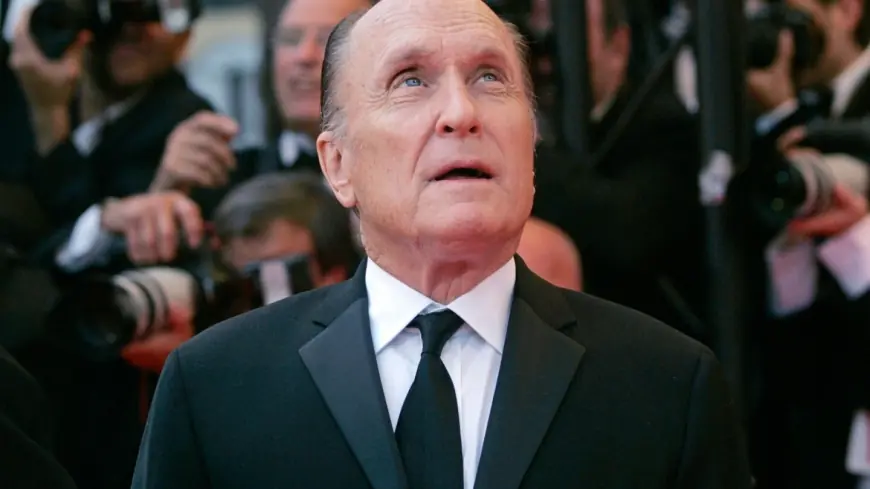
Robert Duvall has died at age 95, prompting renewed public focus on a simple question that often follows the passing of a major cultural figure: Robert Duvall’s cause of death. As of Monday, February 16, 2026 ET, no specific medical cause has been publicly released. The death has been described as peaceful at his home in Virginia, but further details have not been confirmed.
Robert Duvall cause of death: What has (and hasn’t) been disclosed
The only widely repeated, consistent description so far is that Duvall died peacefully at home on Sunday, February 15, 2026 ET. Beyond that, no official diagnosis, acute event, or named illness has been publicly confirmed.
Some early reporting and commentary has characterized the death as due to “natural causes,” but that phrasing is often used broadly and can mean anything from age-related decline to complications from an undisclosed condition. Unless a family statement, medical examiner, or authorized representative provides a clearer explanation, the most accurate answer remains: the exact cause of death has not been publicly specified.
What happened and why it matters now
Duvall’s death lands at a moment when film culture is intensely archival: legacy re-releases, anniversary retrospectives, and algorithm-driven rediscovery keep older performances in constant circulation. That means the news isn’t only an obituary moment; it quickly becomes a re-evaluation of body of work, influence, and professional choices that shaped modern screen acting.
Duvall wasn’t just a “best of” clip actor. He was a blueprint for how to build a career across decades: supporting roles that felt like lead performances, character work with leading-man precision, and an ability to move between studio productions and smaller, personal projects without seeming to chase trends.
Behind the headline: incentives, stakeholders, and the information gap
When the public asks for the Robert Duvall cause of death, the request is partly about facts and partly about closure. But families often have strong incentives to keep medical specifics private, especially when the death is not connected to a public health event, an accident, or legal controversy.
Key stakeholders and their incentives include:
-
Family and close friends: privacy, dignity, and avoiding speculation or intrusive attention
-
Representatives and estates: controlling the narrative, preventing misinformation, and managing the first wave of memorial activity
-
The film industry: memorials, tributes, scheduling retrospectives, and handling rights and licensing
-
Fans and cultural institutions: understanding context while respecting boundaries
The “missing piece” here is straightforward: there has not yet been a detailed public medical explanation. In the absence of confirmed details, rumor tends to fill the vacuum—especially online—so the safest framing is to stick to what has been consistently confirmed: peaceful death at home, no additional specifics released.
Second-order effects: what Duvall’s death can trigger
High-profile deaths can set off ripple effects that are less about the cause of death and more about the cultural and business aftershocks:
-
Programming shifts: classic-film lineups and curated seasons often reorganize quickly around major passings
-
Rights and distribution: renewed demand can accelerate negotiations for reissues, restorations, and special screenings
-
Awards and institutional honors: posthumous tributes and formal recognitions can move onto fast timelines
-
Estate planning and legacy management: increased public interest tends to raise the value—and scrutiny—of archival materials and likeness rights
None of these outcomes requires a disclosed medical cause; they flow from the visibility of the figure and the scale of the catalog.
What we still don’t know, and what to watch next
The most important unknown remains Robert Duvall’s cause of death in a specific medical sense. If more detail is shared, it will most likely come in one of these forms:
-
A short statement from family or an authorized representative clarifying “natural causes” in more concrete terms
-
Memorial or funeral announcements that include optional context
-
Formal documentation, if any becomes public through ordinary legal processes
Until then, treat any claim naming a specific condition as unconfirmed.
What happens next: realistic scenarios with triggers
-
No additional detail released: most common when a death is peaceful and the family prioritizes privacy
-
Brief clarification provided: often framed generally (age-related complications) without naming a condition
-
Public memorial details emerge: timing and location information, sometimes paired with a short family message
-
Institutional tributes accelerate: ceremonies, curated programming, and career-spanning spotlights
The trigger for any shift is simple: a definitive statement from an authorized party.
Duvall’s passing is being handled, at least publicly, with restraint. For now, the most accurate answer to “Robert Duvall cause of death” is that it has not been specifically disclosed, beyond descriptions that he died peacefully at home on February 15, 2026 ET.