















Rupert Lowe launches Restore Britain and vows hard-line immigration agenda

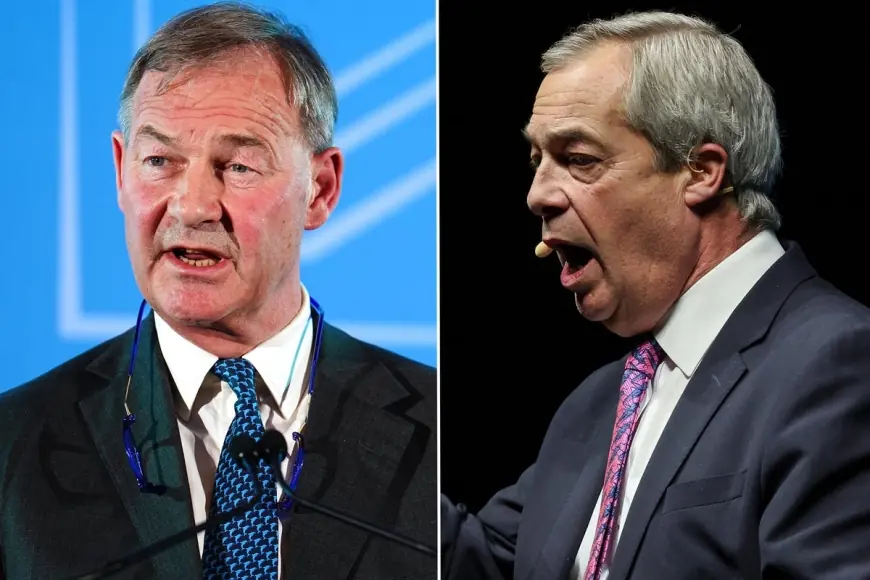
Rupert Lowe, the MP for Great Yarmouth who left his former party after a public falling out, has formally turned his Restore Britain movement into a national political party. Speaking on Friday night (ET) in Great Yarmouth, Lowe pledged an uncompromising anti-immigration platform and announced local partners who will contest forthcoming county council elections under a Great Yarmouth First banner.
Restore Britain moves from local project to national challenge
What began as a local political initiative has been recast as a national force. Lowe introduced five councillors set to stand for Norfolk county council and declared Restore Britain would operate as an umbrella party working with locally based groups. He framed the launch as a direct response to what he described as a disconnect between mainstream politicians and voters in coastal and post-industrial towns.
Lowe, a businessman and farmer who won his seat in July 2024 (ET), now sits as an independent after a high-profile split with his former party. His elevation of Restore Britain to full party status prompted immediate fallout: a number of advisers who had been linked with the movement in its early days signalled they would step back from formal roles now that it is a registered political party.
Support from the hard right and risks for Reform
Within days of the launch, groups and figures to the right of Lowe’s former party rallied publicly to the new project. One rival grouping led by a former deputy leader has indicated it would explore a merger, and far-right activists with street protest experience have shown enthusiasm for cooperation. Those alliances could blunt the former party's traction in constituencies where margins are tight, potentially costing seats if support on the right fragments.
Online outreach has played a major role in building Lowe’s profile. He and allied activists maintain strong online presences that have amplified the new party’s message. High-profile endorsements and amplification from wealthy backers and prominent public figures have further heightened attention, helping Lowe recruit a cohort of younger influencers who favour an ethnically focused conception of national identity.
For his local campaign, Lowe will stand under the Great Yarmouth First label while projecting Restore Britain as a platform for similar local parties across the country. The strategy aims to combine hyper-local branding with a national policy spine concentrated on immigration and national sovereignty.
Controversy, legal history and political calculations
Lowe’s trajectory has been controversial. He was suspended from his former party following allegations related to threats made against a party official; prosecutors later concluded there was insufficient evidence to bring charges. Lowe has denied wrongdoing and described internal party actions against him as malicious. His critics warn that the tone and content of some events, including calls for mass deportations, place Restore Britain at the more extreme end of the political spectrum.
Senior figures who had previously been associated with the movement have distanced themselves now that it is a formal party, mindful of the political risks. Yet public polling shared privately by several campaigns suggests Lowe retains a base of local support in Great Yarmouth. Strategists note that in a future election where many seats were won by narrow margins, small right-wing challengers could have disruptive effects on the electoral map.
As Restore Britain seeks to expand beyond Norfolk, the central questions for national politics will be whether Lowe’s hard-line stance can broaden its appeal beyond a motivated core, and whether cooperation among parties to the right of his former group will consolidate into a single force or instead fragment votes further. The coming months will show whether Restore Britain remains a local insurgency or becomes a fixture of the national hard-right landscape.