















Daytona 500 announcers 2026: Who's calling the race?

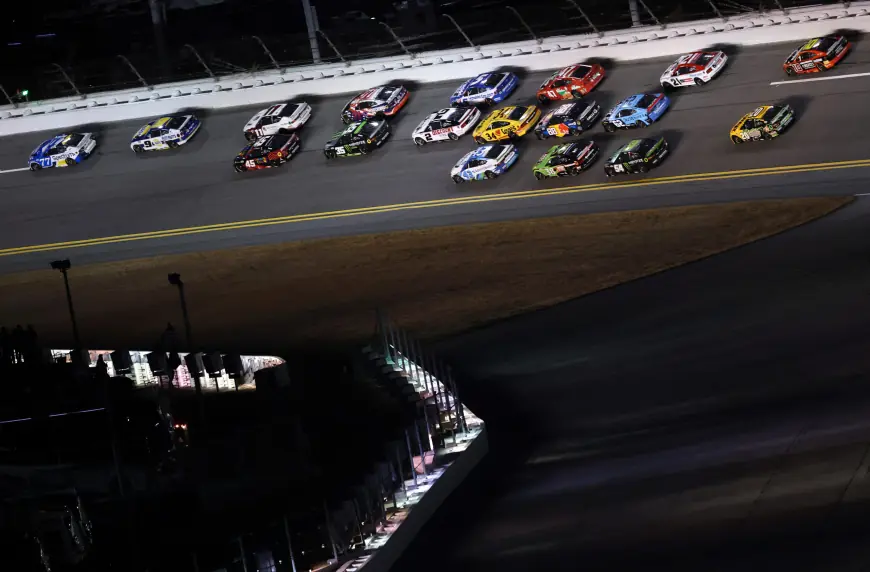
The 2026 Daytona 500 will roll off with a star-studded broadcast team and a technical upgrade that promises sharper visuals for viewers. With the race start shifted to 1: 30 p. m. ET because of rain in the forecast and Kyle Busch on the pole, here's how the on-air roster will be organized for the weekend's biggest event.
Top of the booth: lead voice and analysts
At the microphone for play-by-play will be Mike Joy, bringing his veteran presence to the broadcast. He'll be supported in the booth by three former drivers and crew chiefs who will serve as analysts: Larry McReynolds, Clint Bowyer and Kevin Harvick. That lineup blends strategic insight, driver perspective and championship experience, aiming to provide both technical breakdowns and behind-the-scenes context as the field navigates Daytona's unpredictable draft and restarts.
The combination of a long-tenured play-by-play announcer and multiple analyst voices has been used frequently for marquee races to deliver rapid-fire analysis during cautions and longer-form perspective during green-flag runs. Expect analysts to rotate between quick takes on strategy and deeper commentary when the field settles into rhythm.
Pit lane, prerace faces and production upgrades
On pit road, Jamie Little, Josh Sims and Regan Smith will handle live updates from the garages and service lanes. Their reporting will focus on tire strategy, repair work after incidents and quick interviews with crewmembers and drivers between green-flag sequences. Those pit reporters are typically the bridge between the teams and viewers, offering immediate context when an unexpected stop or penalty reshuffles the running order.
Prerace segments will feature appearances from several well-known racing figures, including Chris Myers as a studio presence and former drivers Jamie McMurray and Michael Waltrip joining the coverage alongside Tom Rinaldi. These contributors are expected to set the scene in the build-up to green flag, offering historical context, human-interest elements and last-minute lineup notes.
On the technical side, the broadcast will be delivered in 4K Ultra High Definition for the first time for this event's network feed, coupled with refreshed on-screen graphics. The upgrade aims to enhance on-track detail — from tire smoke to drafting pairs — and give viewers crisper replays of key moments. Early fan reaction to the higher-resolution feed and new visuals is mixed, with excitement about image quality balanced by scrutiny over other production choices.
What viewers should expect
With the start time moved to 1: 30 p. m. ET, viewers and teams will be watching both the weather and the broadcast clock. Expect the booth and pit reporters to emphasize strategy around restarts and fuel windows, particularly given Daytona's propensity for multi-car incidents that can erase leads and reshape finishing orders.
For fans hoping for a deep, analytical broadcast, the multi-analyst booth is set up to provide that. For those watching for atmosphere and storytelling, the prerace contributors and pit reporters will supply the color that connects today's race to Daytona lore. Between the on-air talent and the 4K upgrade, producers appear to be prioritizing clarity and expertise as the field battles for The Great American Race.
As teams and viewers prepare for the green flag, the broadcast lineup combines experience and fresh camera technology to frame what is always one of the most unpredictable events on the racing calendar.