















Matt Weston and Tabitha Stoecker clinch mixed team skeleton gold as Team GB makes history in Cortina

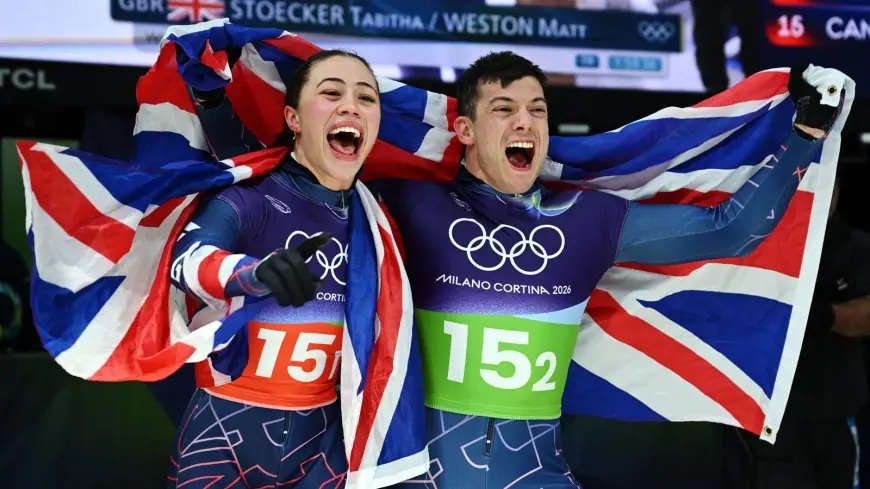
Matt Weston and Tabitha Stoecker produced a heart-stopping finale to win mixed team skeleton gold, giving Team GB its third medal of the Winter Games and a landmark second gold of the day. Weston overturned a 0. 30-second deficit to post a track-record time and seal a stirring victory on the Cortina ice.
Late charge from Weston secures gold
Stoecker opened for the top-seeded British pair with a strong run of 1: 00. 77, leaving Weston with work to do. Weston responded in style, ripping down the track in a blistering 58. 59-second run and combining with Stoecker for a winning time of 1: 59. 36, a new mark for the track. The performance not only clinched gold for the British duo but also made Weston the first British athlete to win two medals at the same Winter Olympics after his individual triumph earlier in the Games.
The mixed-team event, making its Olympic debut at Milan-Cortina, requires a flawless sequence: teammates push and launch one after another with a perfectly timed start. Sliders risk heavy penalties or disqualification for false starts; that pressure shaped the competition and contributed to tense, cautious opening phases. An earlier one-second penalty for an Austrian starter opened the door for the British teams to press their advantage as the field progressed.
Narrow misses, emotional reactions and what it means for Team GB
The other British pairing of Marcus Wyatt and Freya Tarbit finished agonisingly close to the podium in fourth, missing a medal by just 0. 01 seconds. Tarbit posted the fastest female run in the final, a 1: 00. 47, and alongside Wyatt briefly pushed Britain into medal contention with a combined time of 1: 59. 65, ultimately just shy of the top three.
Stoecker was visibly overwhelmed on the podium, describing the moment as surreal and saying she was still in shock after securing gold in her first Olympic Games. Weston reflected on his approach: he took confidence from his earlier individual success and said he focused on executing a steady, controlled run — “boring, ” in his words — to get the job done under pressure.
The German teams took the remaining medals, with competitive runs from their pairs fending off the British challenge. The result marks the first time the nation has won three golds at a single Winter Olympics and represents a landmark day of success for the delegation.
Broader context: a revival and investment in British skeleton
Weston’s rise has been rapid: he picked up skeleton after a talent identification initiative and made his World Cup debut in 2020. The path to gold was not straightforward — a disappointing finish at the prior Winter Games left him contemplating retirement — but recent investments in coaching and athlete support helped rebound the programme. British skeleton’s broader success can be traced back decades, with innovations in sled design and a focused development pipeline helping produce world-class sliders despite the nation lacking its own ice track.
The mixed-team gold caps a remarkable weekend for British winter sport and is likely to generate renewed interest in skeleton at home. For Weston and Stoecker, the victory cements their places in British Winter Olympics history and provides a memorable highlight for the host stadium in Cortina.