























Salman Ali Agha: Pakistan captain defers handshake decision as India clash nears in Colombo

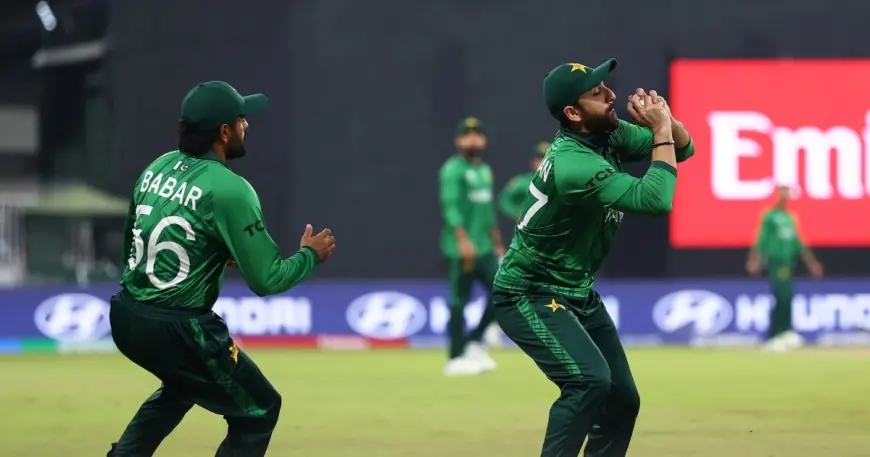
Pakistan captain salman ali agha said the choice to exchange handshakes with India rests with the Indian players as both sides prepare for a high-stakes T20 World Cup meeting in Colombo. The comments come amid lingering political tensions and memories of an acrimonious Asia Cup encounter that saw players refuse to shake hands and officials threaten boycotts.
Handshake row reignites memories of Asia Cup discord
The upcoming fixture marks the first meeting between the two teams since last year’s Asia Cup, which was marred by heated exchanges and a refusal to accept the customary post-match handshake. Those moments escalated off the field too, with threats of a boycott after a decision to relocate some tournament matches earlier in the competition prompted security concerns for certain participants. Intense negotiations were required before Pakistan agreed to play in Colombo, underscoring the match’s diplomatic as well as sporting significance.
In a measured response to questions about whether his side would offer handshakes before and after the game, salman ali agha said the onus was on the Indian players. “The game should be played in real spirit, the way it has been played since it started. The rest is up to them (India), what they want to do, ” he told media on Saturday (ET). The remark left the decision in the hands of the opposition and signalled Pakistan’s desire to keep focus on cricket.
History, records and on-field tensions
Cricketing history between the two neighbours is lopsided in India’s favour in T20 and World Cup meetings, a trend that Pakistan acknowledge but aim to overturn. Agha noted past results cannot be rewritten, but stressed that every match provides a fresh opportunity. “We learned from it and we’ll try to do a good performance tomorrow and win the match, ” he said, framing the contest as an opportunity for redemption rather than revenge.
The Asia Cup itself was punctuated by disciplinary action after heated moments during matches; fines were issued for breaches of the code of conduct and tensions emanated from on-field confrontations. Off-field incidents also fuelled the narrative: an instance when a trophy presentation was declined highlighted how deep the friction can run beyond the playing surface.
Selection, scrutiny and Pakistan’s approach
In the lead-up to the game, Pakistan spinner Usman Tariq’s bowling action has been the subject of public discussion. Critics questioned aspects of his delivery while Pakistan maintained that he had been cleared to bowl. Agha defended Tariq’s status and composure, saying the bowler had complied with the necessary checks and was unfazed by the debate. “The guy has been cleared twice and he has done whatever the [governing body] said, and whatever it requires to bowl in international cricket, ” Agha said. “I don’t know why people are saying so many things about him, but the one thing I can assure you, he doesn’t care about that because he’s very used to this stuff. ”
As both sides prepare to meet, captain salman ali agha emphasised a simple message: play good cricket. With political sensitivities threading through the fixture, much of the world’s attention will be on whether the players can compartmentalise off-field tensions and deliver a contest defined by sport rather than diplomacy.