










Trump’s Self-Promotion Fuels an American Cult of Personality

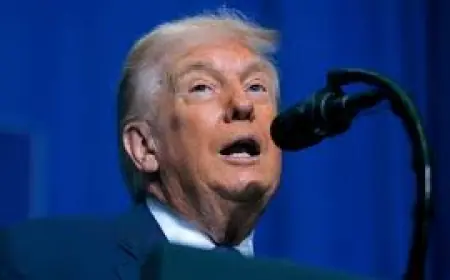
The recent actions and imagery associated with former President Donald Trump have ignited discussions about the rise of a cult of personality in American politics. This phenomenon marks a significant shift in the landscape of political self-promotion and voter loyalty.
Trump: The King of Self-Promotion
Donald Trump has cultivated a persona that elevates him as a preeminent figure in the political realm. From portraying himself as a heroic or mythic figure to embracing a godlike image, Trump’s self-promotion throughout his presidency is unprecedented in American history.
Emblems of Power and Influence
- His administration has sought to pressure the Smithsonian Institution to display portraits of Trump.
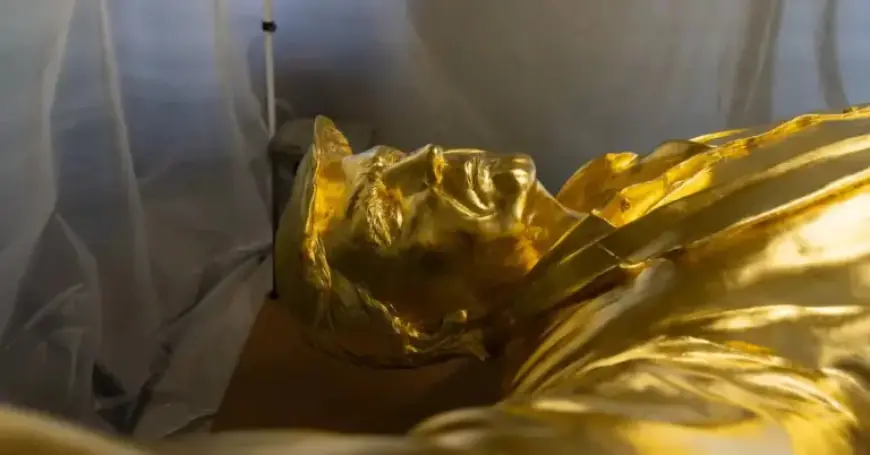
- A 15-foot gold-covered statue named “Don Colossus” is set for installation at his Doral golf complex.
- Consideration is being given to naming new battleships after Trump.
- Allies are lobbying for international endorsements for a Nobel Peace Prize, with threats of consequences for non-compliance.
Some supporters within Congress have even floated the idea of adding Trump’s face to Mount Rushmore, although this initiative has not gained substantial traction.
The Ego and the Presidency
Trump has demonstrated a remarkable fixation on elevating his image, leading critics to label it as egotistic self-aggrandizement. Presidential historian Michael Beschloss states that this behavior serves as a means of expanding presidential power, portraying Trump as an inescapable presence in American life.
Critics assert that his focus on constructing a personal legacy detracts from serving the public interest. Sarah Matthews, a former deputy press secretary, has remarked on the disproportionate attention Trump gives to glorifying himself over addressing the needs of ordinary Americans.
Political Implications of a Cult of Personality
The notion of a personality cult has permeated political discourse recently. Figures like New York Governor Kathy Hochul and Senator Chuck Schumer have voiced concerns over Trump’s significant influence on his followers.
Historical Context
Throughout American history, presidents have enjoyed accolades but typically avoided overt self-promotion that defined Trump’s approach. George Washington, for instance, set a precedent by declining to be called “Your Majesty” while humble in his legacy-building.
While some modern presidents have attracted reverence, none have engaged in it to the extent witnessed with Trump. Political analysts Jennifer Mercieca notes that traditionally, respect and acknowledgment come from the public rather than from leaders themselves.
Conclusion: The Intersection of Power and Personality
The unique dynamics of Trump’s personality-driven politics foster strong loyalty among his supporters. This loyalty is often tied to their leader rather than any specific ideology or policy, underscoring Trump’s remarkable hold over his base.
As Trump continues to navigate the political landscape, the implications of his perceived cult of personality raise critical questions about the future of American democracy and the balance of power.