






















Nebraska Teen Mary Kay Heese’s 50-Year-Old Murder Case Nears Resolution

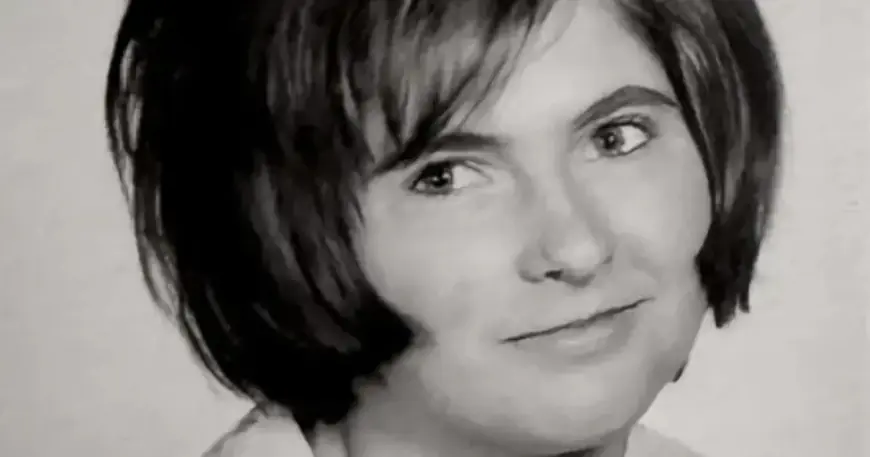
The murder case of Nebraska teenager Mary Kay Heese, who was killed in 1969, is nearing a resolution after over 50 years of investigation. The case involves significant elements of community impact, investigative developments, and recent breakthroughs.
Background of the Case
Mary Kay Heese was a 17-year-old high school junior when she disappeared on March 25, 1969. Her last known whereabouts were at the intersection of 12th and Linden streets in Wahoo, Nebraska. Later that day, her parents reported her missing, prompting a community-wide search that included Boy Scouts, church groups, and law enforcement.
Discovery of Evidence
- Mary Kay’s belongings were found, leading to the discovery of her body in a nearby ditch.
- She had been brutally beaten and stabbed 14 times, suggesting a crime of rage.
- Footprints, tire tracks, and other evidence were collected at the scene, but initial investigative efforts were hampered by a lack of follow-through.
Major Suspects
One key person of interest was Joseph Ambroz, a 22-year-old man at the time of the murder. Ambroz had a history of criminal behavior and was known to associate with high school girls. Reports indicated that he had previously interacted with Mary Kay at local gathering spots, including The Wigwam Café.
Investigative Trends Over the Decades
Despite multiple investigations, including one in 1999 by the Nebraska State Patrol’s Cold Case Unit, the case remained cold for decades. Several interviews revealed inconsistent alibis from Ambroz, particularly regarding his whereabouts on the night of the murder.
Recent Developments
In 2015, Ted Green, an investigator with the Saunders County Attorney’s Office, reopened the case. His efforts led to new interviews and a heightened focus on Joseph Ambroz. Green discovered claims that Ambroz had made concerning Mary Kay and violence after her murder.
Community Involvement and Social Media
In 2019, a Facebook page was initiated to solicit tips from the public about the cold case. This outreach led to substantial new information, including witness accounts suggesting that Ambroz’s car could have been disposed of in a local reservoir shortly after the crime.
The Exhumation and New Forensic Analysis
In 2024, Mary Kay’s body was exhumed for a new autopsy, which revealed significant details about her injuries and how they related to the training used in slaughterhouses. This information created a link between her murder and Ambroz’s past as a slaughterhouse worker.
Legal Proceedings and Resolution
In November 2024, after gathering sufficient evidence, authorities charged Joseph Ambroz with first-degree murder. His subsequent plea deal in 2025 for conspiracy to commit first-degree murder raised questions and frustration among Mary Kay’s family and the community.
Sentencing and Ongoing Impact
The legal outcome resulted in a maximum two-year prison sentence for Ambroz, creating a poignant reflection among those who seek justice for Mary Kay Heese. Despite the plea deal, the quest for closure and understanding about the brutal murder remains unsatisfied for her family and community.
As the case approaches its conclusion, the legacy of Mary Kay Heese lives on, marking a grim chapter in Nebraska’s history that continues to impact those affected by the tragedy.