



















‘Ferryman’ Igor Tudor has the record to steer Tottenham to safety

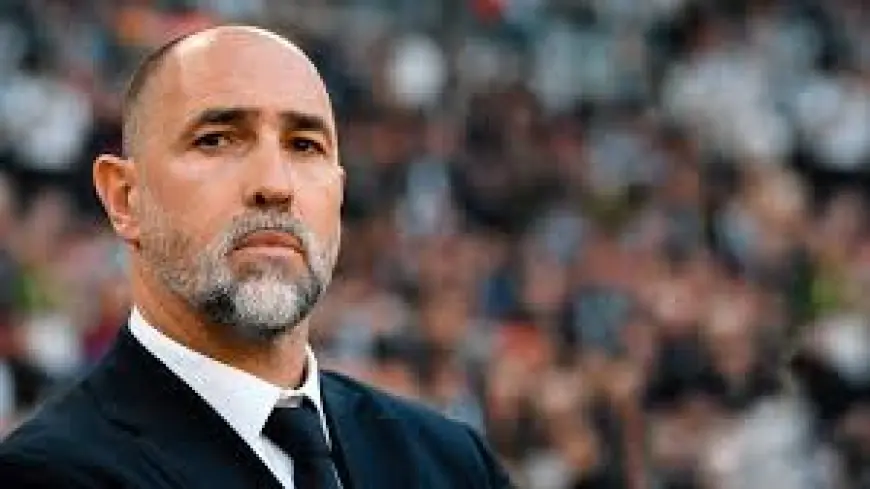
Tottenham have moved quickly to appoint Igor Tudor as men’s head coach until the end of the season, a short-term hire announced on Feb. 14, 2026 at 12: 00 ET. The Croatian arrives with a clear mandate: steady a team flirting with danger in the Premier League, sharpen performances in the Champions League, and produce immediate results.
Tudor’s rescue résumé: steadying ships mid-season
Igor Tudor’s profile is built around short, impactful interventions. He has repeatedly been parachuted into difficult situations and delivered tangible improvements in a matter of weeks. His first full managerial role finished with a domestic cup win, and subsequent mid-season moves have seen him haul struggling sides clear of relegation or salvage European qualification.
That pattern has played out across multiple leagues. Tudor has taken over teams late in campaigns, tightened organisation, injected intensity and produced results quickly. He earned Champions League qualification with a high-profile Italian club after stepping in during a crisis spell and engineered late-season surges at other stops that lifted clubs into European places. Those rapid turnarounds are the same qualities Tottenham’s hierarchy has highlighted as the priority: stabilise, energise and secure safety.
Why the appointment is a calculated risk
Despite the upside, the move is not without risk. Tudor has limited experience in the Premier League environment as a head coach or player, and his recent track record shows few long-term stays. Several of his most celebrated interventions ended without extended tenures, and a string of brief spells raises questions about sustainability.
There are also stylistic and relational warning signs. Tudor has a reputation for intense, sometimes combustible behaviour on the touchline and in the dressing room. That temperament has fuelled rapid improvements but has also coincided with flare-ups and difficult departures when form later dipped. One notable exit followed a protracted winless run that exposed fractures over transfer support and vision—issues that can be amplified at a club with lofty expectations.
Tottenham currently sit perilously close to the relegation zone, with the club five points above danger, and Tudor’s first match in charge will come against league leaders Arsenal on Sunday, Feb. 22, 2026. The fixture list gives him little margin for error: immediate traction is essential if the club is to avoid a late scramble.
What to expect in the coming weeks
Practical changes are likely from day one. Tudor’s statements on arrival emphasise organisation, intensity and competition for places, and his past teams have shown a clear tactical reset within matches and across training cycles. Expect a crisper defensive shape, higher demands in transition and a work-rate-first approach while he assesses the squad.
His remit is explicitly short-term: secure Premier League safety and preserve European involvement. The club has framed the appointment as an interim measure, leaving open the possibility of a different direction in the summer. That gives Tudor a narrow window to convert reputation into points and to demonstrate he can translate his mid-season magic to the unique pressures of English top-flight football.
For supporters and neutrals, the coming weeks will be a test of two questions: can Tudor’s known ability to galvanise a team be replicated on these shores, and will his intensity produce sustained uplift rather than a brief spark? The answers will determine whether this appointment is a masterstroke of crisis management or another short chapter in a peripatetic career.