















Daryl Hannah: Inside a Tumultuous Romance Reimagined on Screen

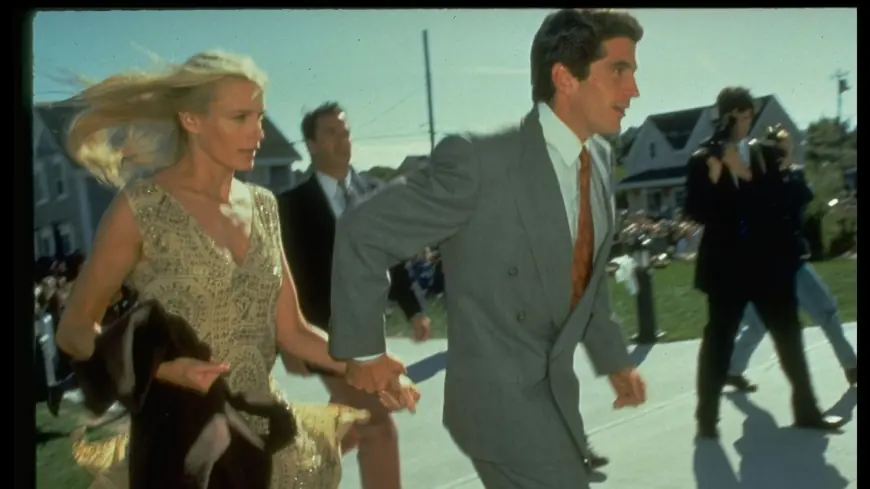
New dramatized episodes have thrust a once-private chapter of 1990s celebrity culture back into the spotlight: Daryl Hannah’s high-profile, on-again, off-again relationship with John F. Kennedy Jr. The series reframes the five-year entanglement as part of a larger narrative about fame, media scrutiny and intimate lives played out in public, while the actress portraying Hannah describes her work as a tribute rather than a straight biography.
A high-profile, on-again/off-again relationship
The relationship between the movie star and the scion of a political dynasty unfolded amid intense public attention and tabloid fascination. Their romance spanned more than half a decade, marked by repeated reconciliations and breakups, and ended in 1994—shortly before his well-known partnership with another prominent figure. The new dramatization leans into that turbulence, depicting both the magnetic draw and the pressures that come with dating someone constantly watched by the public eye.
This storyline is presented as part of a broader tapestry that centers on a famous couple of the era, with the Hannah arc functioning as a significant, if not central, subplot. The creative team frames the project as an imaginative reconstruction of private moments rather than a literal documentary, allowing scenes to explore emotion and motivation behind closed doors rather than simply cataloguing public facts.
Portraying Daryl Hannah: Dree Hemingway’s approach
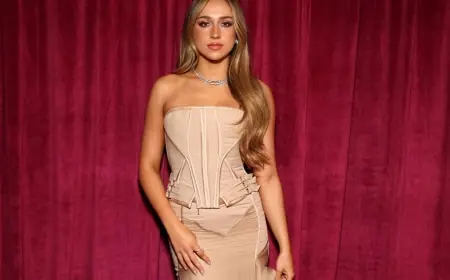
The actress tasked with embodying Daryl Hannah has spoken about treating the role as both homage and interpretation. Raised with vivid memories of the 1990s aesthetic and culture she says shaped her, the performer approached the part as a chance to honor an actor she considers an icon while remaining mindful of the real people involved. She emphasizes transformation and respect, aiming to capture mannerisms, presence and the way public scrutiny affects private relationships.
Hemingway—whose own family history and career intersect with Hollywood and literary legacies—describes the role as somewhat meta: playing a glamorous, blonde actress who endures intense media monitoring and judgment. She has underscored that the series is not meant to be a definitive biography; rather, it offers a dramatized, subjective reading of what might have happened behind closed doors. That creative choice is meant to explore character and context more than to set the historical record straight.
What the series reveals and what it leaves unsaid
The dramatization leans into the atmosphere and cultural texture of the era: fashion, media frenzy and the peculiar intimacy of celebrity. Early episodes delve into the couple’s whirlwind courtship and the peripheral relationships that shaped their world, using composite scenes and imagined conversations to illuminate emotional truths. For viewers, that approach can be illuminating but also requires discernment; fictionalized moments are crafted to probe motives and consequences rather than to serve as documentary evidence.
Ultimately, the series renews attention on how fame can complicate intimacy. The portrayal of Hannah’s relationship with the public figure at its center invites renewed discussion about agency, privacy and the narratives that persist about women in Hollywood. As dramatizations continue to mine recent history for storytelling, audiences are reminded that creative interpretations can both deepen empathy and blur the line between lived truth and dramatic speculation.
Spoiler note: early episodes contain dramatized scenes that may reveal plot beats about the relationships depicted.