
















Iran and US Clash as Diaspora Rallies Demand Global Action

Tehran and Washington are currently at odds as diplomatic discussions loom. Diaspora Iranians worldwide are uniting to push for global action after a recent wave of protests resulted in significant loss of life. Tensions are high as both nations prepare for a second round of mediated talks, reportedly scheduled for next week in Geneva, with Oman facilitating the discussions.
Clashing Perspectives on Iran’s Nuclear Program
The United States has set clear expectations for Iran, aiming to restrict its missile capabilities and halt all nuclear enrichment activities. In response, Iran has firmly rejected these terms while suggesting it may consider diluting its highly enriched uranium in exchange for sanction relief. However, such materials are feared to have been destroyed in a bombing incident attributed to the US.
US President Joe Biden emphasized military readiness by dispatching a second aircraft carrier to the Middle East. He claimed that “regime change” in Iran would greatly benefit the region.
Rallies Across the Globe
In a parallel development, significant protests took place worldwide, especially among Iranians living abroad. These events were part of a broader call to action against the theocratic regime established after the 1979 revolution. Notable gatherings occurred in prominent cities including:
- Munich, Germany
- Los Angeles, USA
- Toronto, Canada
- Sydney, Australia
- Melbourne, Australia
Reza Pahlavi, the son of the exiled Shah of Iran, urged the diaspora to unite under the theme of “taking Iran back” from the Islamic Republic. His calls coincided with his participation in the Munich Security Conference, where he met international leaders, including Ukrainian President Volodymyr Zelenskyy.
Mass Participation in Protests
The protests have drawn remarkable crowds. A prior rally in Toronto attracted over 150,000 attendees, while around 100,000 registered for the Munich event. These are seen as some of the largest gatherings by the Iranian diaspora in recent years, especially in light of the public outcry following the tragic death of Mahsa Amini during a protest. Amini was detained for alleged dress code violations, triggering national demonstrations.
Recent Iranian Government Actions
As protests continued globally, the Iranian government organized counter-demonstrations to commemorate the 47th anniversary of the 1979 revolution. The Iranian regime swiftly condemned international criticism, labeling those involved in protests as terrorists and external agents funded by foreign countries.
A Commemoration for the Fallen
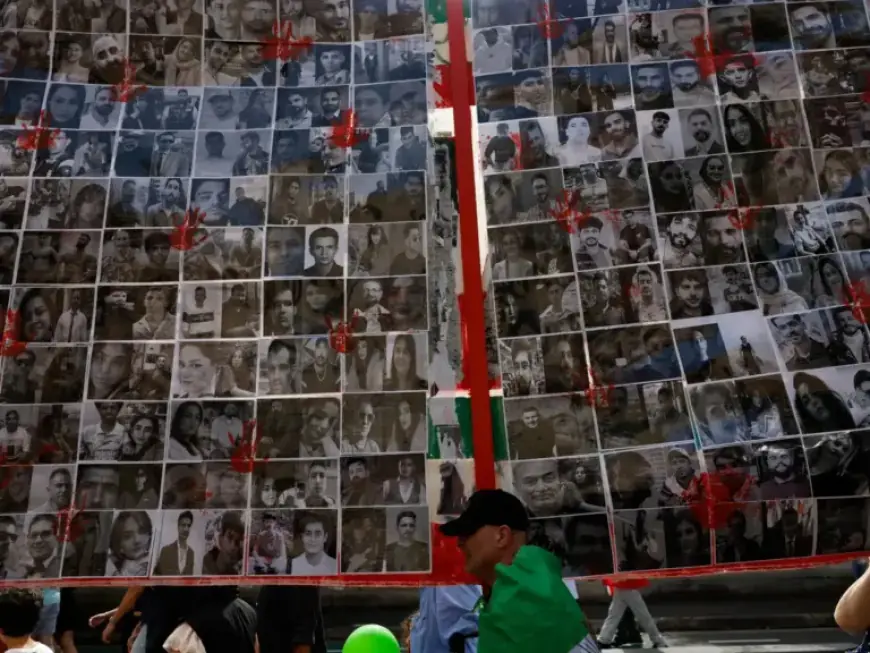
Families of victims from the protests are actively remembering their loved ones through online tributes and gatherings. One prominent cemetery in Tehran, Behesht-e Zahra, became a site of remembrance as families held mourning ceremonies for their deceased.
- Ayda Heydari, a 21-year-old medical student, was identified as a victim of state violence.
- Zahra “Raha” Behloulipour, a student from Tehran University, was also killed during the protests.
Human Rights Concerns and Detentions
The Iranian judiciary recently confirmed the release of some reformist politicians on bail but indicated that many others remain in custody. Human rights organizations have reported that tens of thousands were arrested related to the protests, with some facing execution. Amnesty International warned of impending executions of political prisoners, escalating fears over human rights violations within Iran.
As the situation evolves, it remains crucial for the international community to monitor developments in Iran closely, especially regarding human rights and the fate of those detained during the protests.