
























Sussan Ley’s Role Shift Isn’t Gender-Based, But Raises Questions

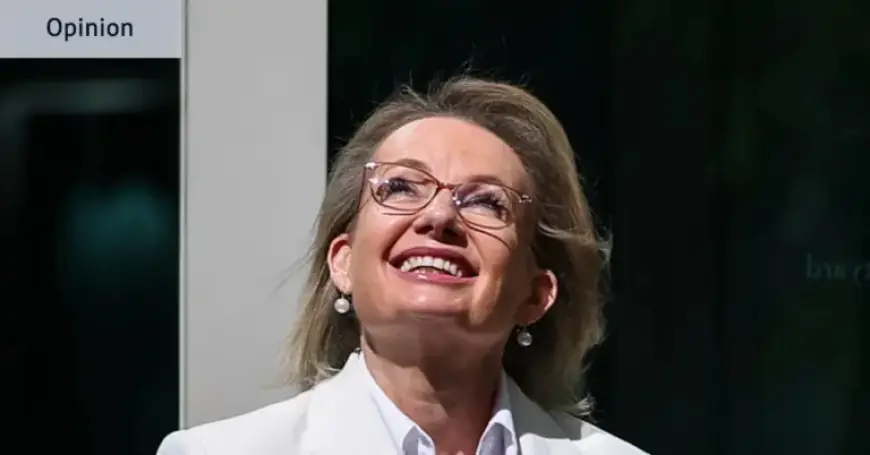
In recent political developments, Sussan Ley’s leadership role within the Liberal Party sparked a significant discussion regarding gender dynamics in Australian politics. While her ousting was primarily attributed to performance, it raised critical questions about the influence of gender in leadership evaluations.
Sussan Ley’s Leadership and Challenges
Sussan Ley’s tenure was marked by notable struggles. Ley faced public criticism for her handling of key issues, particularly the response to the tragic Bondi massacre. This incident led to significant political fallout, with the Nationals party further undermining her authority. Despite her efforts, Ley’s lack of a clear policy direction contributed to her challenges.
Key Events Leading to Ley’s Removal
- February 2026: Sussan Ley ousted as leader of the Liberal Party.
- Misinformation: Ley’s leadership suffered from a lack of confidence due to opposition attacks.
- Failure to address crises: Ley’s approach to crises, including the Bondi massacre, was criticized.
Gender Dynamics in Leadership Evaluation
The conversation shifted when Senator James Paterson stated that performance, not gender, determined leadership success. He referenced historical contexts, comparing Ley’s situation to that of Julia Gillard, suggesting that gender was not a definitive factor in leadership assessments.
Historical Context and Gender Perception
In 2013, Julia Gillard famously addressed gender issues during her leadership, noting that her experiences were shaped, at least in part, by her gender. While some argue that gender should not influence leadership success, it is challenging to separate individual performance from broader societal biases.
Implications for the Liberal Party
As Ley was replaced by Angus Taylor, questions arose regarding the implications of her departure on future female representation within the party. Taylor’s previous record, which included a significant loss in the 2025 elections, raised eyebrows about qualifications and authority among party members.
Current Gender Representation in the Liberal Party
The Liberal Party faces scrutiny over its diminishing support from female voters, with only 28% of women supporting the Coalition in the last election. This statistic underscores the need for reevaluation within the party to address concerns about inclusivity and representation.
Conclusion
The exit of Sussan Ley from leadership presents an opportunity for the Liberal Party to reflect on its stance regarding gender and effective representation. While performance is critical, the underlying societal factors influencing perceptions and treatment of female leaders cannot be overlooked. As the party moves forward, addressing these dynamics will be essential for fostering a more inclusive environment.