






















Five European Nations Accuse Kremlin of Poisoning Opposition Leader Navalny

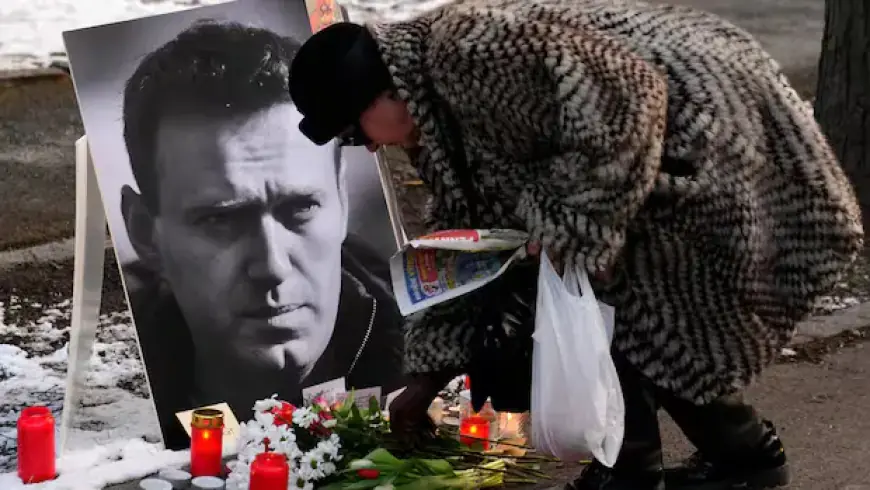
In a significant development, five European nations have accused the Kremlin of poisoning opposition leader Alexei Navalny. A collaborative statement from the foreign ministries of the U.K., France, Germany, Sweden, and the Netherlands disclosed that Navalny was fatally poisoned with epibatidine, a toxin sourced from South American poison dart frogs. Notably, this substance does not occur naturally in Russia.
Confirmation of Poisoning
The foreign ministries announced that samples analyzed from Navalny provide “conclusive proof” of the presence of the toxin. This assertion marks a pivotal moment in addressing the circumstances surrounding Navalny’s death, which occurred in February 2024 while he was in an Arctic penal colony.
Legal Actions and Reactions
- The nations intend to report Russia to the Organization for the Prohibition of Chemical Weapons.
- This action is based on a violation of the Chemical Weapons Convention.
British Foreign Secretary Yvette Cooper remarked, “Russia had the means, motive, and opportunity to administer this poison.” She emphasized that the Russian state’s actions reflected its fear of political opposition.
Navalny’s Legacy
Navalny, a staunch critic of President Vladimir Putin, spent his life campaigning against corruption and opposed the Kremlin’s policies. His widow, Yulia Navalnaya, maintained that independent labs had previously confirmed he was poisoned prior to his death and has consistently implicated Putin in his demise. “Putin killed Alexei with a chemical weapon,” she stated on social media, labeling him a “murderer” who must be held accountable.
Background of Events
- Navalny was previously poisoned during a nerve agent attack in 2020.
- After receiving treatment in Germany, he returned to Russia and was arrested.
- His death occurred amid a politically motivated 19-year prison sentence.
In 2024, following this tragedy, Navalnaya vowed to continue her husband’s fight for a “free Russia,” urging supporters to join her cause. The implications of this incident highlight ongoing tensions between Russia and the West, as well as the risks faced by those opposing the Russian government.