
























Epstein files search hits a wall after combative AG hearing

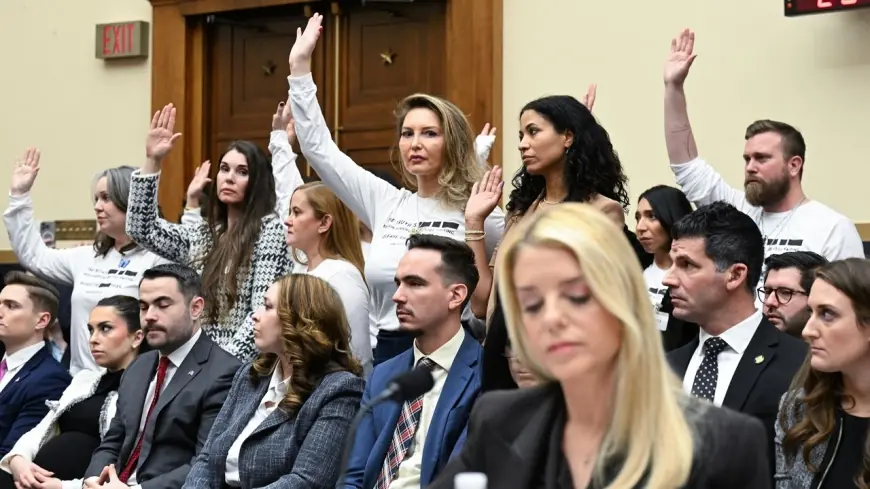
Lawmakers seeking access to Justice Department records tied to Jeffrey Epstein faced blunt resistance at a contentious oversight hearing that devolved into shouting matches and pointed personal attacks. The exchange underscored how oversight of the department is being shaped as much by political spectacle as by legal argument, and it leaves questions about the timeline for any public release of the files.
Massie presses for release
Representative Thomas Massie has led efforts to force the release of the department’s Epstein files, pressing officials for transparency on a case that has drawn intense public scrutiny. His push centered on obtaining records that supporters argue are critical to understanding the scope of investigations and any potential institutional failures. Massie’s demand for disclosure became a lightning rod during the hearing when he confronted the attorney general directly.
Hearing turns hostile
The oversight session, which stretched for hours, was marked by exchanges that crossed the bounds of standard hearing decorum. In repeated instances the attorney general dismissed and insulted members of Congress, at one point telling a lawmaker, "You don’t tell me anything, you washed-up loser lawyer. Not even a lawyer. " Another exchange included the line, "You’re about as good of a lawyer today as you were when you tried to impeach President Trump, " aimed at a senior member of the committee.
Defense through distraction
Rather than engage on the merits of releasing the Epstein files, the attorney general repeatedly shifted the focus to past actions by other officials and attacked questioners personally. The use of a tabbed binder—referred to by a committee member as a "burn book"—allowed the attorney general to flip to prepared notes about individual lawmakers and invoke local crime cases in an effort to undermine their credibility. When pressed on whether the same scrutiny had been applied to predecessors, the hearing repeatedly moved to broader what-about lines of argument instead of producing a substantive response on document release.
Personal barbs overshadow oversight
Personal barbs were a recurring theme. The attorney general denounced Massie as a "failed politician" and accused him of suffering from "Trump Derangement Syndrome, " then pivoted to unrelated votes and past disagreements to buttress the attack. The pattern—indignation, pointed insults and diversionary tactics—left committee members frustrated and frustrated the bipartisan appetite for clear answers on the status of the Epstein-related records.
Implications for transparency and next steps
The conflagration raises practical questions about how and when the public might see the requested files. The attorney general’s refusal to provide a straight answer during the hearing, paired with the confrontational posture, suggests that any release will require additional legal or legislative pressure. Critics of the posture at the hearing warn that aggressive personal tactics can erode public faith in oversight mechanisms and create more obstacles for achieving the very transparency that lawmakers seek.
Outlook for continued push
For now, the search for the Epstein files remains entangled in political theatrics. Lawmakers who pressed the issue left demanding clearer commitments and legal pathways to compel disclosure. If the department does not produce a timetable or a satisfactory explanation, the dispute is likely to continue, potentially moving from committee hearings to subpoenas, litigation or fresh legislative maneuvers aimed at prying the documents into the public record.
The hearing underscored a broader dynamic in which high-profile investigations collide with partisan theater, and where the shape of transparency is determined as much by who is asking the questions as by what the files actually contain.