
























Judge Recites Death Threats in Hearing on Trump’s Haitian Policy Decision

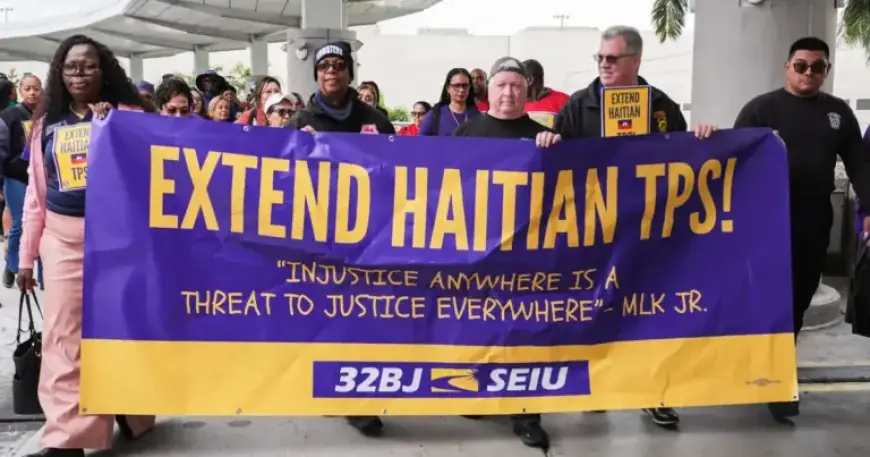
A U.S. District Judge addressed serious threats during a court hearing concerning the Trump administration’s Haitian immigration policy. The hearing, held on Thursday, involved Judge Ana Reyes’s ruling to block the termination of Temporary Protected Status (TPS) for Haitians living in the United States. This decision has become controversial, leading to a surge of aggressive online responses against her.
Background on TPS for Haitians
The U.S. initially granted TPS to Haitians after the devastating earthquake in 2010. This status was meant for individuals from countries facing severe safety issues, including natural disasters and political unrest. About 350,000 Haitians currently benefit from this designation, which allows them to live and work in the country without a pathway to citizenship.
Judge Reyes’s Hearing and Response
During the hearing, Judge Reyes reiterated her refusal to suspend her previous ruling. She expressed concern for TPS recipients and highlighted that many of them contribute positively to the U.S. economy. The judge emphasized the potential dangers these individuals might face if her decision was overturned.
- Date of Ruling: February 2, 2023
- Number of TPS Recipients: Approximately 350,000 Haitians
- Judge’s Background: First Hispanic woman and openly LGBTQ judge in D.C. District Court
Addressing the Threats
As the hearing progressed, Judge Reyes read aloud some of the death threats she received, which were a direct response to her ruling. One particular email shockingly instructed her to “eat a bullet.” Despite these threats, Judge Reyes affirmed her commitment to her role, stating, “We will not be intimidated.”
Legal Implications and Government Position
During the proceedings, a government attorney argued that Reyes should stay her ruling. They claimed she lacked the authority to review the decision to end TPS for Haitians. However, Reyes dismissed these assertions, asserting that without her protective order, many law-abiding Haitian TPS holders could be detained indefinitely.
The administration’s stance suggests it has no plans to target Haitian TPS holders for removal in the interim. Nevertheless, Reyes expressed skepticism about this claim and sought to illustrate the gravity of the issues affecting these individuals.
Judicial Independence and Public Reaction
Judge Reyes emphasized her judicial independence and the misconceptions regarding her identity. She insisted that her ethnicity and sexual orientation should not overshadow her qualifications. Her legal career spans over 20 years in high-profile federal litigation, and she graduated with honors from Harvard Law School.
As discussions surrounding immigration policy continue, the digital threats faced by judges like Reyes raise concerns about the safety and integrity of the judiciary in the current political climate.