



















Gavin Newsom’s ‘Strong and Wrong’ mantra collides with renewed scrutiny of his California record

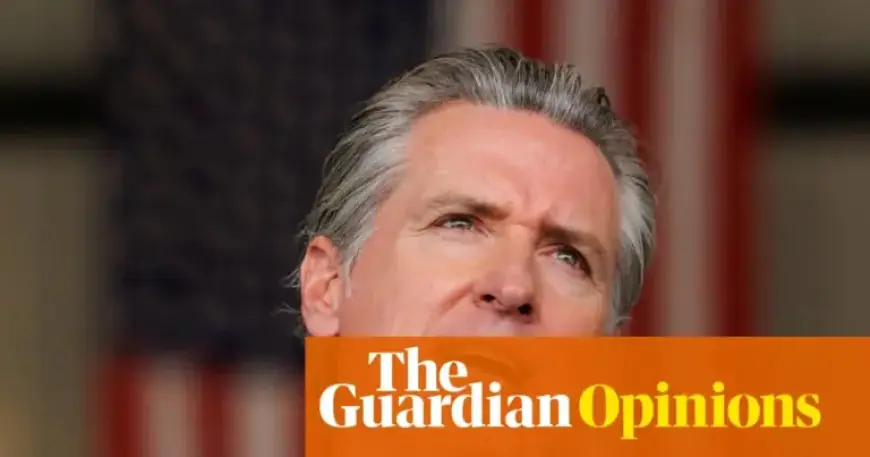
Friday, February 13, 2026 (ET) — With hints of a 2028 presidential run, California Governor Gavin Newsom is drawing intensified scrutiny over his record on health care, housing, and homelessness—even as he embraces a combative communications style and high-visibility media moments that have thrust him into the national conversation.
2028 ambition meets the spotlight
Newsom has said he is weighing a 2028 campaign and has leaned into a message about political strength, declaring in a recent interview that, when given a choice, Americans often favor “strong and wrong versus weak and right.” The line encapsulates a posture he has adopted in public clashes and social media jabs that mirror hard-edged, attention-grabbing tactics. That approach has helped boost his profile and prompted some commentators to label him a party “frontrunner,” even though an actual campaign remains hypothetical.
The heightened visibility also brings renewed attention to his eight years leading the nation’s most populous state. Supporters point to his high-energy advocacy and national messaging, while detractors argue that the spotlight risks exposing a pattern of big pledges that were pared back or abandoned once in office.
Signature single-payer pledge shelved
As a 2018 candidate, Newsom championed a state-level single-payer health care system and framed the idea as a test of political will. He criticized the notion that the goal was too difficult, too costly, or someone else’s problem. Once elected, however, the administration pursued narrower reforms rather than a comprehensive single-payer plan. The reversal frustrated allies who had rallied behind the promise, with one labor organizer calling the shift a “flip-flop” and “absolutely unacceptable.”
The move remains a flashpoint in assessments of Newsom’s tenure, featuring prominently in critiques that argue he over-promised on marquee progressive priorities.
Housing goal scaled back, homelessness promises shift
In 2019, Newsom set a sweeping target: 3.5 million new housing units by 2025. Three years later, he downplayed the figure as a “stretch goal.” By 2022, roughly 13% of that total had been permitted, underscoring the immense challenge of ramping up construction in a state constrained by costs, zoning limits, and local opposition.
On homelessness, Newsom once vowed to appoint a statewide “homeless czar” to coordinate an aggressive response. The role never materialized as initially described; amid mounting pressure over rising encampments, he later said he was, in effect, taking on that responsibility himself. As numbers continued to climb, his rhetoric increasingly emphasized the roles of local governments, a shift that drew criticism from those expecting Sacramento-led solutions commensurate with historic state surpluses earlier in his tenure.
From surplus spending to deficit warnings
Newsom’s early years benefited from multibillion-dollar windfalls that funded a broad agenda on housing, homelessness, schools, and pandemic response. More recently, the state’s nonpartisan fiscal analysts have projected sizable deficits, complicating that agenda and raising questions about durability and results. The fiscal turn has sharpened debate over whether the surge-year spending was effectively targeted and whether signature initiatives have translated into durable progress on supply, affordability, and services for vulnerable Californians.
Death penalty stance stops short of commutations
Newsom imposed a moratorium on executions in 2019, aligning with his opposition to capital punishment. He did not commute existing death sentences to life imprisonment, leaving open the possibility that a future governor could restart executions. Supporters of the moratorium view it as a necessary pause consistent with evolving public attitudes. Critics contend the partial measure exemplifies a broader pattern: rhetorically bold positions that stop short of irrevocable action.
Image-making and the celebrity critique
As the policy ledger is parsed, Newsom’s public image is undergoing its own evolution. A recent glossy magazine feature—styled with cinematic, Western-inflected visuals—cast the governor as “embarrassingly handsome” and “seeming, yes, presidential,” amplifying a critique that modern politics elevates celebrity at the expense of governing craft. The photo-forward portrayal, arriving alongside the rollout of his memoir, Young Man in a Hurry, underscores a strategy that leans heavily on stagecraft, rapid-response media engagement, and high-production optics.
Whether that approach translates into durable national appeal may turn on voters’ judgments about California’s trajectory under his watch. The test for Newsom, if he seeks the White House, is whether a forceful, combative message—his “strong” pitch—can overcome persistent questions about delivery on the big promises that once defined his brand.