























Jackie Kennedy: Fresh attention on her final days rekindles a tender royal memory

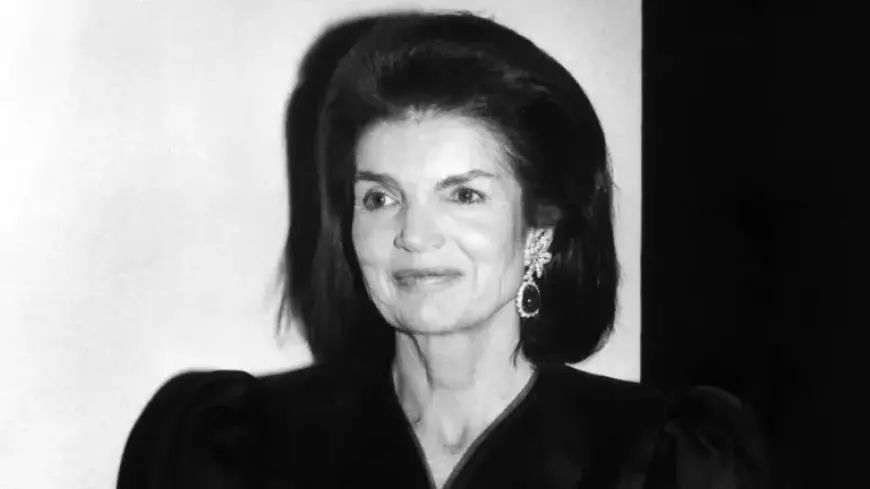
Friday, Feb. 13, 2026 (ET) — A newly published deep-dive into Jacqueline Kennedy Onassis’s final chapter is sparking fresh reflection on her legacy — and reviving a poignant story from the bleak weekend following President John F. Kennedy’s assassination.
A renewed look at Jacqueline Kennedy Onassis
New interest in Jackie Kennedy’s later years has prompted a broader reappraisal of the grace and resolve that shaped her public life. The renewed focus underscores how the former First Lady’s influence extended far beyond Camelot: from her global cultural stature to the enduring images of courage she projected in the face of personal tragedy. While the latest feature centers on her final days, it has also reignited discussion of the intimate, human moments that framed her family’s experience in November 1963 and the years that followed.
A tender moment in a shattered weekend
Among the recollections drawing attention is a quiet act of kindness involving Prince Philip and nearly three-year-old John F. Kennedy Jr. in Washington, D.C., the weekend of the assassination. In one account shared by author Paul Brandus, Jacqueline Kennedy searched the White House for her son on Sunday, Nov. 24, 1963, and opened the playroom door to find the Duke of Edinburgh on the floor, playing and laughing with the boy. John Jr. had been yearning for a playmate during a weekend defined by shock and sorrow, and the moment offered a brief respite amid the unimaginable.
Prince Philip joined dignitaries who traveled to the capital for the state funeral on Monday, Nov. 25, when the world watched John Jr. — on his third birthday — solemnly salute his father’s flag-draped casket. That instant became one of the most indelible images in modern American history, a child’s gesture that crystallized both national mourning and the Kennedy family’s private loss.
Transatlantic condolences and enduring ties
Expressions of sympathy from across the Atlantic flowed swiftly. Letters conveyed heartfelt condolences to Jackie from the Queen and the Queen Mother, acknowledging the profound shock felt in Britain. Two years later, at Runnymede — hallowed ground for the Magna Carta — the Queen inaugurated a memorial to the late president, a ceremony attended by Jackie and her children, Caroline and John Jr. The moment reaffirmed the connection between the Kennedy family and the United Kingdom, forged in grief and sustained by shared ideals.
Images from that 1965 commemoration captured a tender scene: Prince Philip holding young John Jr.’s hand. It was a simple, public gesture that echoed the private kindness remembered from the White House — and a reminder that rituals of mourning can also bind families and nations with quiet dignity.
A relationship years in the making
The bond between the Kennedy White House and the British Royal Family predated the tragedy. During the early 1960s, the royal household hosted a dinner honoring the president and first lady, only the second time in the 20th century that a sitting American president dined at the palace. Jackie also lunched with the Queen in 1962, later remarking on the warmth of the visit. Her connection to Britain stretched back even further: as a young journalist in 1953, she covered the Queen’s coronation, an assignment that foreshadowed the transatlantic intersections that would follow.
Why the story resonates now
The fresh spotlight on Jackie’s final days has stirred renewed appreciation for the private, restorative acts that can sit alongside public history. The recollection of Prince Philip’s playroom visit resonates because it humanizes two families so often seen only through the lens of ceremony and statecraft. In the span of a few minutes on a Sunday afternoon in Washington, a royal consort became a playmate, and a little boy briefly reclaimed a piece of ordinary childhood — a fragment of normalcy that history rarely records but never forgets.
As readers revisit Jackie Kennedy’s life — the style and symbolism, the resolve and reinvention — this small, compassionate episode stands out. It suggests that the measure of legacy is not solely in pageantry or politics, but also in the quiet, consoling gestures that help carry people through their hardest days.