












Minnesota injury lawyer, 54, becomes oldest U.S. Winter Olympian after curling cameo

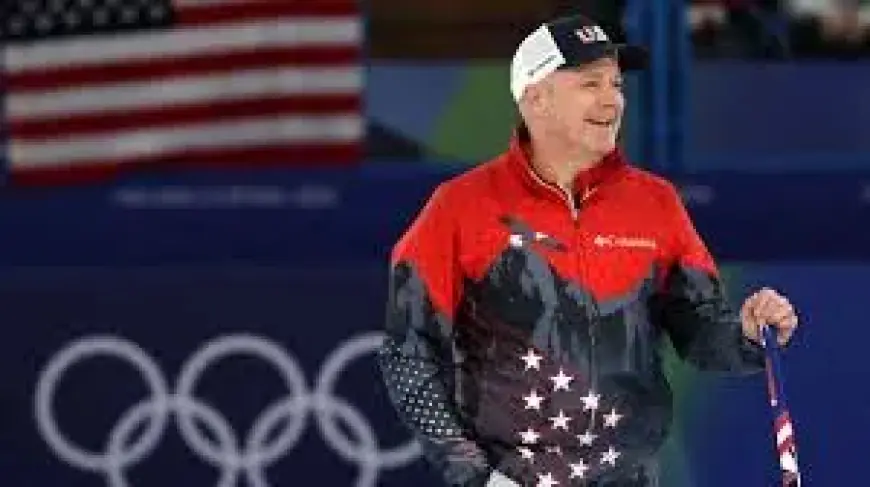
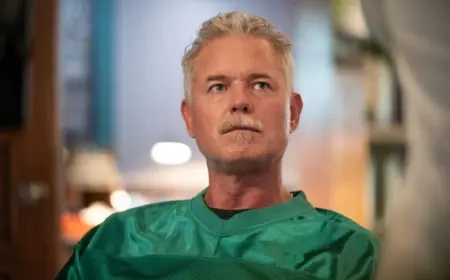
Rich Ruohonen, a 54-year-old personal injury lawyer from Minnesota, stepped onto Olympic ice in Cortina d’Ampezzo on Thursday, Feb. 12, 2026 ET, and etched his name into U.S. Winter Games history. The late-game substitution in men’s curling against Switzerland sealed his status as the oldest person ever to compete for the United States at a Winter Olympics.
A late substitution writes Olympic history
With the United States trailing 8–2 late in the round-robin matchup, the team made a change and called in Ruohonen, the alternate. He delivered a precise corner guard, drawing a roar from American fans in the stands. “Yeah, baby! Good shot, Rich!” skip Danny Casper shouted from across the sheet as teammates celebrated the moment. The U.S. ultimately fell to Switzerland, but the scene provided one of the feel-good snapshots of the Games.
Afterward, Ruohonen acknowledged the scoreboard while savoring his shot at the stage. “I would have rather done it when we were up 8–2 instead of down 8–2,” he said, adding his gratitude to the team for the chance to take the ice.
A career in court and on the curling sheet
Ruohonen balances elite curling with a full-time legal career in Minnesota, where he has built a reputation as a standout injury lawyer. He has been honored repeatedly within the state’s legal community, all while keeping his competitive curling ambitions alive into his 50s. His Olympic debut underscores a path forged outside traditional athletic timelines, a blend of courtroom discipline and ice-sheet precision that now includes an indelible milestone.
The 2026 Games offered a unique intersection of professions and passions: a six-time recipient of statewide legal accolades stepping into the sport’s biggest arena. It was the culmination of years in national competitions and a testament to staying sharp long after many athletes step away.
Bridging generations on Team USA
Ruohonen’s presence has added a multigenerational twist to an otherwise Gen Z lineup. Casper, born in 2001, is three decades younger than the veteran alternate, yet the age gap has been an asset rather than a hurdle. Teammates describe Ruohonen as a steady hand and de facto team uncle—helping with early wake-ups, logistics, and the everyday rhythms that keep a squad clicking through a long tournament.
The scene in Cortina captured that dynamic: a mentor stepping in for a single shot that meant more than the scoreboard, while younger teammates reveled in the significance and joy of the moment. For a program built on continuity and culture, it was a shared win even in defeat.
Health hurdles and roster dynamics
Casper has navigated Guillain-Barré syndrome, a reality that shaped Team USA’s roster strategy this season. Bringing in Ruohonen as alternate ensured depth and experience—insurance against the grind of round-robin play and a nod to the value of calm, seasoned decision-making under pressure. Thursday’s substitution crystallized that approach, yielding both a tactical option and a piece of Olympic history.
Beyond the single end, the move spoke to a broader blueprint: embracing flexibility, leaning on leadership, and keeping a collective mindset in a sport where inches decide outcomes and chemistry fuels consistency.
What it means for Team USA’s campaign
The loss to Switzerland remains a setback in the round-robin, but Ruohonen’s cameo resonated far beyond one result. The performance energized U.S. supporters in Cortina and back home, spotlighting a team that mixes youth, resilience, and an unexpected veteran spark. As the schedule continues, the United States carries a memorable moment—and a reminder that opportunities can arise at any age—into the remaining draws.
For Ruohonen, the night delivered a lifelong first in a career packed with pressure-packed performances of a different kind. For Team USA, it delivered a headline and a heartbeat—a story of perseverance, community, and a perfectly placed guard when the spotlight found a 54-year-old injury lawyer on Olympic ice.