




















Guthrie update: “Bring her home” plea resurfaces amid new search developments

A renewed “Bring her home” appeal from the Guthrie family surged back across social media this week as investigators released new material tied to the disappearance of Nancy Guthrie near Tucson, Arizona. The latest search developments spread rapidly across social media after newly recovered images prompted fresh tips, renewed neighborhood canvassing, and a tighter focus on digital evidence that may have been damaged or removed.
Nancy Guthrie was reported missing after she failed to show up for a planned church-related gathering on Sunday, February 1, 2026. Since then, the case has expanded from an initial welfare-check concern into a multi-agency investigation that includes public requests for video, forensic testing of physical items, and follow-up activity across multiple locations in southern Arizona.
What investigators released and why it matters
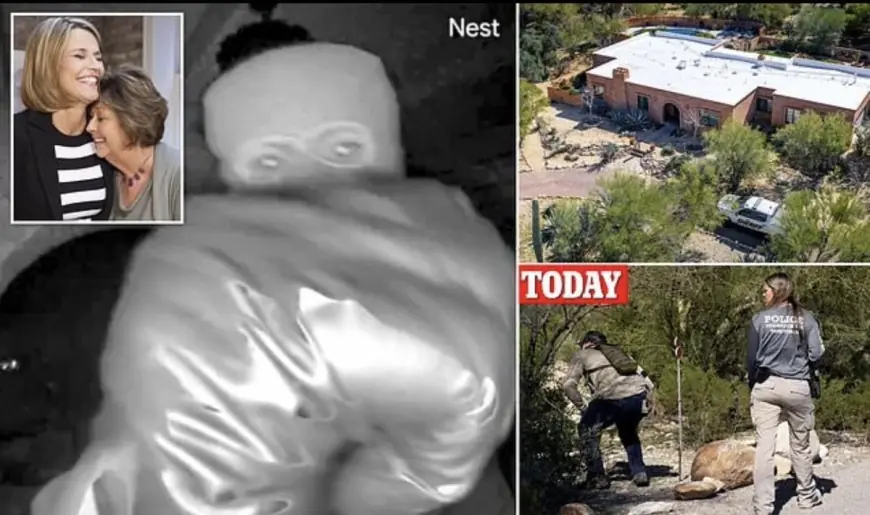
Federal and local investigators have circulated newly recovered surveillance images connected to Guthrie’s home, describing the figure in the images as a person of interest. The release matters because it provides the clearest public-facing lead so far: a visual reference that can be compared against neighborhood camera footage and witness recollections from the same timeframe.
Investigators have also emphasized that they worked with outside technical support to retrieve video or still images that were not readily accessible at first. That detail has fueled attention online, where viewers have scrutinized the timeline and shared the images widely in hopes that someone recognizes the clothing, movement patterns, or other identifiers.
While authorities have not publicly confirmed every detail of how the images were recovered, they have framed the material as a step forward that could tighten the window for tips and narrow the scope of follow-up searches.
“Guthrie update: “Bring her home” plea resurfaces” in the public campaign
Family members, led publicly by Savannah Guthrie, amplified the newly released images and repeated a simple message: they believe Nancy Guthrie is still alive and want her returned. The short phrase “Bring her home” has become the central rallying cry, appearing in reposts, captions, and reshared clips that spread widely within minutes.
That wave of online attention has a practical impact on the ground. When a case reaches this level of visibility, tip lines can surge—useful when tips are specific and time-stamped, but challenging when speculation overwhelms verifiable information. Investigators have continued to urge the public to focus on actionable details: exact times, exact locations, and original footage rather than reposted copies.
Search activity shifts to neighborhood footage and physical evidence
Investigators have asked residents near Guthrie’s home to review security-camera recordings from specific dates around the disappearance. That request reflects a common strategy in cases where a timeline is tight: identify every vehicle, pedestrian, or unusual movement across a defined radius and then cross-check it against known events.
At the same time, officials have confirmed that at least one item recovered in the neighborhood—black gloves—was sent for DNA testing. Whether that evidence becomes significant depends on context: where it was found, whether it can be linked to the timeline, and whether it yields a usable profile that can be compared against existing records or eliminated as unrelated.
Authorities have also indicated they searched at least one additional area south of Tucson as part of the broader effort. Details on what, if anything, was recovered in those operations have not been publicly confirmed.
Ransom messages, deadlines, and what’s confirmed so far
Investigators have acknowledged receiving purported ransom messages that included monetary demands and deadlines. Authorities have said they have not publicly verified the authenticity of the messages, while also treating them as potential leads. The deadlines described in those communications have passed, and officials have not announced any confirmed exchange or recovery connected to them.
The lack of public confirmation matters: it leaves open multiple investigative paths, including the possibility that some communications were designed to misdirect attention. For the public, the most responsible approach is to treat unverified claims as unconfirmed and to avoid circulating specifics that could contaminate credible tip flow.
Key takeaways as of Thursday, February 12, 2026 (ET)
-
Newly recovered surveillance images have become the centerpiece of the public tip push, reshared widely with the “Bring her home” plea.
-
Investigators are actively expanding the camera-footage net, asking neighbors to review recordings from key dates.
-
Physical evidence found near the neighborhood is undergoing forensic testing, with results not publicly detailed.
What to watch next in the case
The next meaningful milestones are likely to be concrete: confirmation that a person of interest has been identified, disclosure of a stronger timeline anchored by verified footage, or an announcement that forensic testing produced a usable lead. If investigators obtain additional video from nearby cameras, they may be able to track movement away from the home area and refine search zones.
For now, officials have kept the public focus on two things: identifying the person shown in the released images and locating any original security footage that captures the same timeframe from other angles. If that material emerges, it could quickly shift the investigation from broad searching to targeted follow-up.