



















Kurt Cobain Death and Homicide News: New Claims Resurface in 2026, While the Official Cause of Death Remains Suicide

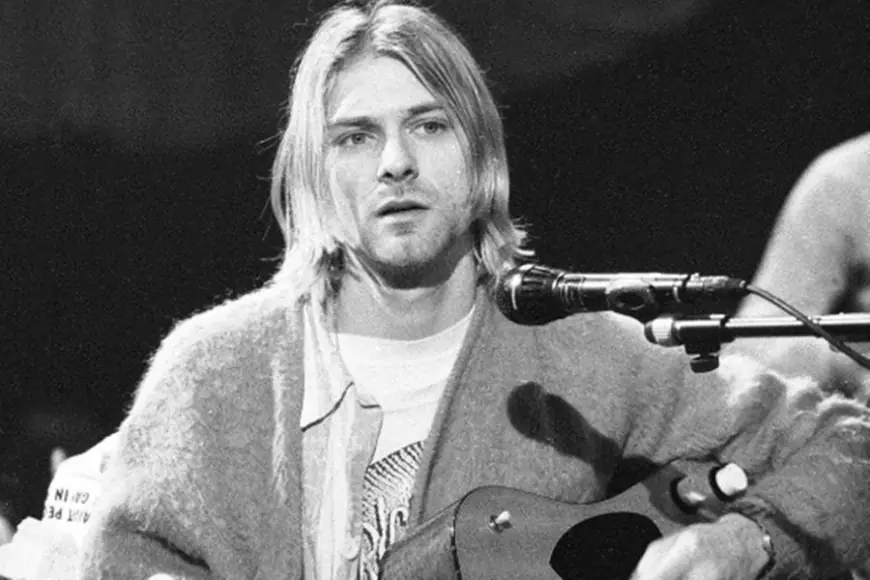
More than three decades after Kurt Cobain’s death shocked the music world, a fresh wave of homicide claims is circulating again in February 2026, driven by a new private forensic-style report and renewed online attention. The central fact has not changed: Cobain’s death in April 1994 was officially ruled a suicide by gunshot, and authorities have publicly reiterated that they are not reopening the case based on the latest outside claims.
The new attention matters because it reopens a cultural argument that never fully went away, and because it can blur the line between verified facts and theories for audiences encountering the story for the first time.
Kurt Cobain cause of death: what is officially on record
Kurt Cobain, the singer and guitarist of Nirvana, was found dead at his Seattle home on April 8, 1994. Investigators and the medical examiner concluded he died by suicide, with the estimated date of death typically placed a few days earlier, around April 5, 1994. The officially recorded manner of death remains suicide by gunshot.
That official finding has been reaffirmed multiple times over the years, including in response to periodic requests to revisit the case. The current 2026 flare-up does not change the legal and medical record unless authorities formally announce a reinvestigation and a new determination, which has not happened.
Kurt Cobain homicide news: what’s driving the 2026 resurgence
The latest round of “homicide” headlines stems from a private, independently produced analysis claiming the evidence better fits a staged scene rather than a self-inflicted death. The arguments being promoted publicly tend to focus on:
-
Toxicology interpretations suggesting Cobain may have been too impaired to act as alleged
-
Crime scene details and questions about handling of evidence
-
The suicide note, including claims of inconsistent handwriting or separate authorship in parts
-
General skepticism about timeline and who had access to the home
Authorities, however, have continued to treat these as unproven assertions rather than new, case-changing evidence. In several past waves of similar claims, officials have emphasized that the original investigation and findings still stand.
Courtney Love and public suspicion: what’s fair to say and what isn’t
Courtney Love, Cobain’s widow, is frequently pulled into online speculation whenever the case trends. It’s important to separate three things:
-
Love’s public role in Cobain’s life and in the aftermath of his death, which is indisputable
-
The existence of longstanding accusations made in books, documentaries, and internet forums, which is also indisputable
-
Any verified proof that Love was involved in a homicide, which has not been established publicly by law enforcement
In other words, the presence of accusations is not the same as evidence accepted by investigators. Any claim of criminal responsibility remains unproven in official terms.
Behind the headline: why these claims keep returning
This story resurfaces because it sits at the intersection of grief, celebrity mythology, and unresolved public discomfort with suicide.
Context matters. Cobain’s final months included widely reported struggles with addiction, health problems, and instability. That backdrop makes suicide plausible to many, yet it also creates ambiguity that fuels alternative narratives. When the public sees a famous death plus imperfect information, a vacuum forms and people fill it.
Incentives also shape the cycle:
-
Private investigators and online groups gain attention by presenting a dramatic “new dossier”
-
Media ecosystems benefit from controversy and familiar names
-
Audiences get a sense of participation by re-litigating old evidence in public
The stakeholders include Cobain’s family, surviving bandmates, Love, and fans, but also institutions that face pressure to justify why a case should remain closed. Every new wave forces a choice between transparency and restraint, especially around graphic materials and sensitive records.
What we still don’t know: the missing pieces that would change everything
Despite decades of debate, the core “missing pieces” remain consistent:
-
Whether any truly new physical evidence exists that was not previously available
-
Whether any credible witness or participant has come forward with verifiable information
-
Whether the private reports rely on authenticated primary records or secondhand reconstructions
-
Whether alternative explanations can be tested against the full investigative file, not a curated subset
Without a new, independently verifiable fact that directly contradicts the official narrative, the public argument tends to recycle the same set of disputed interpretations.
What happens next: realistic scenarios and triggers
Here are the most plausible next steps in 2026, based on how cases like this typically evolve:
-
Authorities restate the case status again if public pressure spikes
Trigger: viral circulation of the report and a surge of tip-line contacts -
A limited review may occur without a formal reopening
Trigger: a claim that includes a specific, testable allegation tied to original evidence -
Civil legal action or records disputes reappear
Trigger: renewed attempts to compel release of additional investigative materials -
The story cools until another anniversary or documentary reignites it
Trigger: timed releases that align with cultural moments and platform trends
Why it matters
The Kurt Cobain homicide narrative isn’t just about the past; it affects how audiences talk about suicide, addiction, and responsibility. Unverified claims can distort public understanding and cause collateral damage to real people, while blind certainty can discourage legitimate questions about investigative standards. As of today, the official cause of death remains suicide, and the latest homicide assertions are still claims, not confirmed findings.