













James Van Der Beek Death: Dawson’s Creek and Varsity Blues Star Dies at 48 After Colorectal Cancer Battle, as Crowdfunding Effort Surges


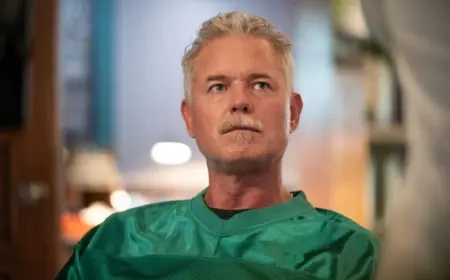
James Van Der Beek, best known to many fans as Dawson Leery from Dawson’s Creek and as the quarterback-turned-hero in Varsity Blues, has died at age 48. The death was confirmed on Wednesday, February 11, 2026, with statements from his family and representatives. Van Der Beek had publicly shared that he was living with colorectal cancer in late 2024, and recent reports describe the illness as advanced.
In the hours after the news broke, online searches spiked for phrases like “did James Van Der Beek really die” and “James Van Der Beek cause of death,” reflecting both genuine shock and the kind of confusion that often follows celebrity death announcements. While the broad cause has been described as complications from colorectal cancer, specific medical details have not been publicly released.
What happened to James Van Der Beek, and what is confirmed so far
Van Der Beek’s death was announced on February 11, 2026, ET. He is survived by his wife, Kimberly Brook, and their six children. Public tributes from friends and colleagues quickly followed, along with renewed attention on his earlier decision to speak openly about his diagnosis.
Alongside the condolences, a crowdfunding campaign was launched to support his family, with organizers citing the financial strain that can accompany prolonged cancer treatment and time away from work. That development has become a major part of the story, amplifying public interest well beyond entertainment headlines.
Behind the headline: why this story turned into a wider conversation
This moment sits at the intersection of three forces: celebrity culture, modern fundraising, and public health anxiety.
First, Van Der Beek’s image spans multiple eras. For many, he remains the face of a defining teen drama. For others, he’s the Varsity Blues lead who embodied late 1990s sports-movie swagger. That cross-generational familiarity helps explain why the news moved fast, and why it drew in people who had not followed his recent work closely.
Second, the crowdfunding effort speaks to a quieter industry reality: even successful performers can face steep financial shocks when illness interrupts income, adds major medical costs, or complicates insurance and long-term planning. Whether the family’s need is primarily medical bills, household continuity, or longer-term support for the children, the fundraiser has placed the economics of illness in the public eye.
Third, the cancer angle has triggered a wave of searches about colorectal cancer symptoms and colon cancer symptoms. When a familiar public figure dies from a disease that many people associate with older age, it pushes the public to ask: what should I watch for, and when should I get screened.
Colorectal cancer symptoms people are searching for, and why awareness matters
Public health experts generally stress that symptoms can vary and sometimes do not appear until the disease is more advanced. Commonly discussed warning signs include changes in bowel habits, blood in stool, persistent abdominal discomfort, unexplained weight loss, fatigue, and iron-deficiency anemia. Importantly, these signs can overlap with other conditions, which is one reason screening is emphasized rather than waiting for symptoms.
The surge in searches tied to “stage 3 colorectal cancer” also reflects the fear embedded in staging language. In general terms, stage 3 often means the cancer has spread to nearby lymph nodes but not to distant organs, and treatment typically involves combinations of surgery, chemotherapy, and close follow-up. Individual outcomes can vary widely.
Cast connections and the renewed spotlight on Dawson’s Creek alumni
Van Der Beek’s death has also revived interest in the Dawson’s Creek cast, including Katie Holmes, Joshua Jackson, and Michelle Williams, as fans revisit the show’s cultural footprint and what it meant at the time. Searches referencing past relationships, such as Stacy Keibler, and earlier chapters like his marriage to Heather McComb, have risen as people try to reconstruct his personal timeline.
This pattern is common after celebrity deaths: audiences move from grief to biography, then to nostalgia, and finally to rewatching and re-evaluating the work itself.
What we still don’t know: missing pieces that matter
Several questions remain unanswered publicly:
-
The exact medical details surrounding his final weeks, including whether complications were sudden or expected
-
How long the family had been preparing for end-of-life care
-
What portion of the financial pressure was driven by treatment costs versus lost income and ongoing household expenses
-
Whether a formal public memorial will be announced, and what form it may take
It is also worth noting that the same search ecosystem that spreads accurate confirmations can also amplify false claims. The volume of “how did James Van Der Beek die” and “did James Van Der Beek die” queries shows how quickly uncertainty can circulate, even when the core fact is confirmed.
What happens next: realistic scenarios and triggers to watch
-
Public memorial details may be shared in the coming days, likely tied to family privacy preferences and logistics.
-
The crowdfunding campaign will either stabilize quickly at a high level or face scrutiny and questions about transparency as attention grows. The trigger will be whether organizers provide clear, plain-language explanations of intended use.
-
Interest in colorectal cancer screening will likely spike briefly, then fade. The trigger for a longer-lasting impact would be visible advocacy efforts by peers, health groups, or the family.
-
Studios and producers may pursue tributes or re-releases tied to his best-known roles, which can renew attention on the Dawson’s Creek and Varsity Blues eras. The trigger will be licensing decisions and how tributes are framed.
Van Der Beek’s death is, at its core, a personal loss for a family. But the public reaction shows how celebrity news can quickly become a mirror for broader realities: the costs of serious illness, the fragility of financial security, and the urgent questions people ask when a familiar face is suddenly gone.