























Discover Why Every Olympic Curling Stone Originates from a Scottish Island

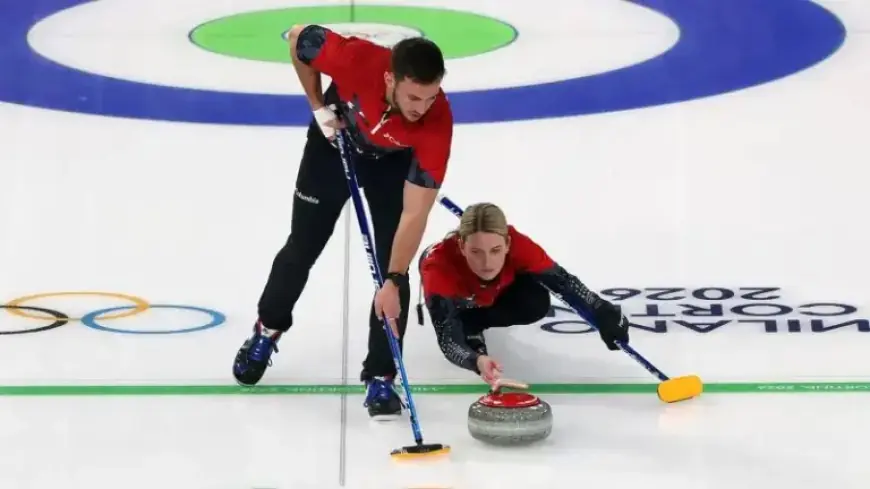
Every Olympic curling stone has a unique origin, traced back to the small uninhabited island of Ailsa Craig, off the west coast of Scotland. This island is home to a distinctive type of granite that is essential for crafting high-quality curling stones.
Significance of Ailsa Craig Granite in Curling
The granite sourced from Ailsa Craig is renowned for its fine grain and resilience. It is primarily used to create the professional and Olympic curling stones, all of which are handcrafted by Kays of Scotland. This company produces between 2,000 and 2,500 curling stones annually, distributing them to 77 countries around the world.
The Unique Properties of Ailsa Craig Granite
The durability of Ailsa Craig granite comes from its unique mineral composition. It is characterized by:
- Low aluminum content
- High levels of rare minerals like arfvedsonite and aegirine
- A tight, fine structure, providing resistance to chipping
These properties allow the granite to withstand collisions and maintain a smooth surface, crucial for ensuring the stones glide effectively on ice.
History of Curling and Olympic Involvement
Curling originated in 16th century Scotland, evolving from people sliding stones on frozen lakes. The sport was officially recognized in the Winter Olympics in 1924 during the inaugural games held in Chamonix, France. Since then, the Royal Caledonian Curling Club has mandated the use of Ailsa Craig granite for all competition stones.
Construction of Curling Stones
Curling stones are made using two types of granite from Ailsa Craig:
- Common Green: This granite forms the body of the stone, including the striking band that absorbs impact during gameplay.
- Blue Hone: Used for the narrow running band, this granite type has low porosity, helping the stones remain durable over time.
Why Ailsa Craig Granite is Unmatched
Attempts to substitute Ailsa Craig granite with synthetic materials or ceramics have not yielded successful results. Other materials fail to maintain the unique surface texture necessary for the sport. Curling stones need to retain their roughness to allow for effective curling—an intrinsic characteristic of granite.
The curling community acknowledges that Ailsa Craig granite remains the best choice for the sport. As Dr. Matthew McDowell from the University of Edinburgh stated, there has never been a significant push for alternatives since Ailsa Craig granite has proven its effectiveness since the 1800s.
In conclusion, the enduring legacy of Ailsa Craig granite not only contributes to the quality of Olympic curling stones but also underscores the cultural heritage intertwined with the sport of curling itself.