























House Rejects Tariff Limits, Challenging Trump and Johnson Policies

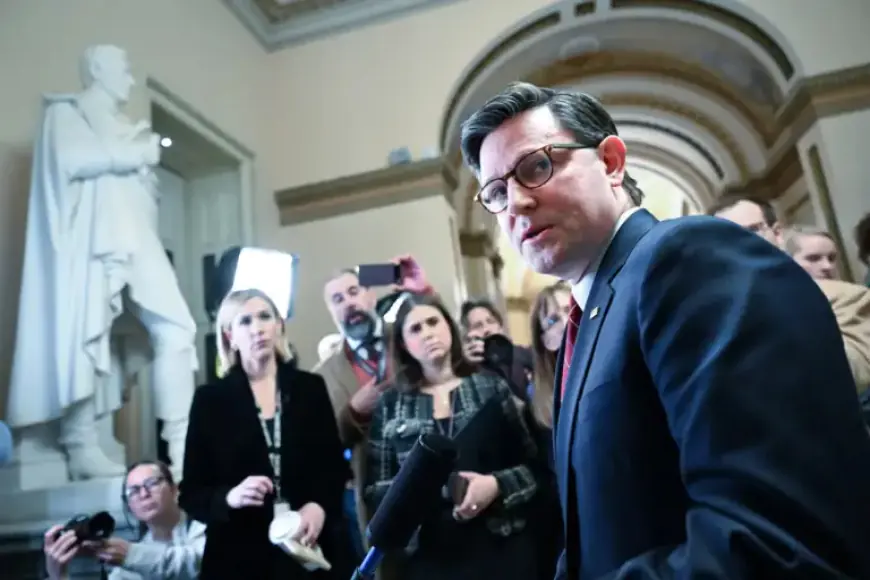
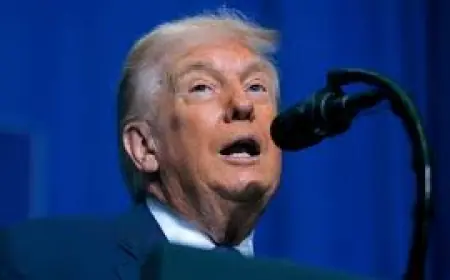
The House of Representatives has recently rejected proposed tariff limits, a move that stands in stark contrast to policies previously endorsed by former President Donald Trump and UK Prime Minister Boris Johnson. This decision highlights a significant rift within the Republican Party regarding trade policies.
Key Developments on Tariff Restrictions
The recent vote in the House reflects a growing dissent among Republican members concerning tariff authority. Many lawmakers have expressed their desire to distance themselves from Trump’s protectionist policies.
Details of the Vote
- The House voted against a proposal aimed at safeguarding Trump’s tariff powers.
- This decision marks a pivotal moment in trade policy discussions among GOP members.
- Democrats are poised to leverage this Republican split to push forward their anti-tariff agenda.
Political Implications
The rejection signifies a potential shift in the party’s stance on trade. Many Republicans are concerned about the economic impact of tariffs on consumers and businesses.
This rift within the party may lead to a series of contentious debates as lawmakers navigate their positions on economic policy and international trade.
Future Outlook
As the House grapples with these issues, analysts expect more confrontations regarding tariff-related votes. The split within the Republican Party could reshape future legislative efforts and their approach to trade agreements.
Filmogaz.com will continue to monitor developments in this area, especially as lawmakers assess the consequences of their decisions on both the economy and international relations.