

















Savannah Guthrie’s Husband Michael Feldman Steps Into the Spotlight as Family Crisis Tests a Communications Veteran

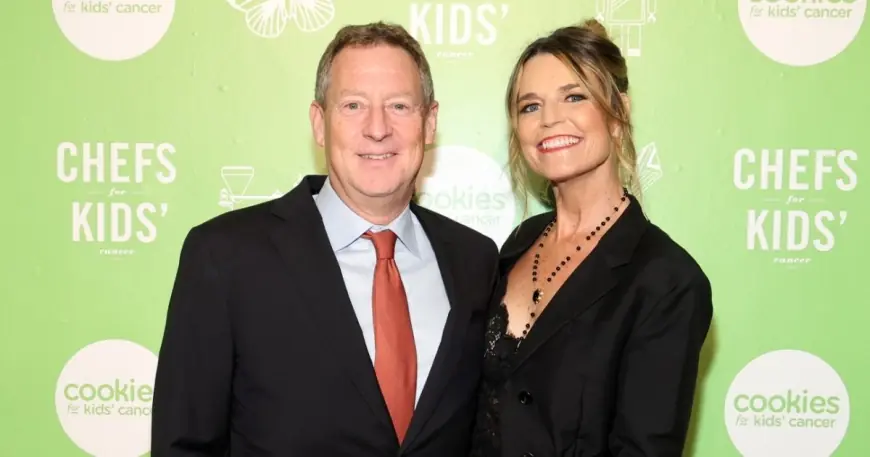
Michael Feldman, the husband of morning television anchor Savannah Guthrie, is drawing unusual public attention this week as the search intensifies for her mother, Nancy Guthrie, who remains missing in Arizona. Feldman, typically a behind-the-scenes strategist in politics and corporate communications, has found himself in a role he rarely occupies: a family spokesperson navigating a fast-moving investigation, a worried public, and the reality that high-profile cases attract both help and noise.
The shift matters because Feldman’s professional life has been built around controlling narratives in moments of uncertainty. Now, the stakes are personal, and the public appetite for updates is colliding with the tight limits of what families can responsibly share during an active search.
Who is Michael Feldman: the career that shaped his public posture
Feldman is a longtime communications and public affairs consultant who moved through high-pressure political work before building a career advising clients on messaging, reputation risk, and crisis response. His résumé includes senior roles in national politics and later leadership work at a communications and advocacy firm, where his focus expanded into corporate strategy, public-facing campaigns, and high-scrutiny moments for prominent clients.
That background helps explain why his public posture has been restrained. In crises involving law enforcement activity, families are often urged to be careful: too much detail can compromise leads, validate hoaxes, or create a media environment that distracts from the search itself. Feldman’s instinct, shaped by years of crisis work, is likely to prioritize clarity and calm over constant commentary.
The immediate news hook: a missing mother-in-law and a case that keeps evolving
In recent days, investigators have released surveillance material tied to the disappearance of Nancy Guthrie, 84, and the case has been framed as an abduction rather than a voluntary disappearance. Officials have described evidence at the home consistent with violence, and the investigation has included public requests for tips and heightened attention around suspect imagery.
Feldman has made a limited public appeal in support of the search, emphasizing the family’s focus on Nancy’s safe return and urging anyone with information to come forward. The family has also confronted ransom-related communications in the broader case environment, a development that tends to complicate both emotions and decision-making. Even when families feel pressure to “do something,” investigators usually need space to verify communications, filter scams, and keep any real negotiation channel from turning into a free-for-all.
As of Wednesday, February 11, 2026, the situation remains unresolved, and public updates are constrained by investigative sensitivity.
Behind the headline: why Feldman’s skill set matters, and where it doesn’t
It’s tempting to assume a communications veteran can “manage” a crisis. But a missing-person investigation is not a reputational dispute or a policy fight. Law enforcement controls the timeline, and the most powerful asset is not messaging discipline; it’s verified leads.
Still, Feldman’s experience can matter in three practical ways:
First, message consistency. Families can unintentionally create confusion with small contradictions or shifting details. Consistency helps tip lines and investigators.
Second, scam resistance. High-profile cases attract impersonators and opportunists. A communications professional is often quicker to set up verification steps and limit exposure to bad-faith actors.
Third, emotional containment. When headlines are relentless, controlled statements can reduce the risk of amplifying rumor while keeping attention on actionable information: images, timelines, locations, and tip channels.
Where Feldman’s skill set doesn’t help is the most painful part: it cannot speed up forensic work, force cooperation, or produce a credible lead where none exists.
Stakeholders and incentives: why the public attention cuts both ways
The people with the most at stake are obvious: Nancy Guthrie’s family, friends, and community. But high-profile cases pull in additional stakeholders with mixed incentives:
Investigators need clean evidence and credible tips, not a flood of speculation.
The public wants reassurance and closure, but curiosity can produce misinformation.
Online attention can generate real leads, yet it can also endanger witnesses or contaminate timelines.
The family’s incentive is singular: bring Nancy home. But that urgency can collide with the slower cadence of verification, especially when new images, rumors, or alleged communications emerge.
What we still don’t know
Several unanswered questions will shape what comes next:
Whether investigators believe the abduction was targeted or opportunistic
Whether suspect imagery has produced credible identifications beyond false positives
Whether any ransom-related communications are authenticated and linked to the disappearance
Whether there is one perpetrator or multiple people involved
Whether there are time-sensitive medical needs that raise the urgency even further
Until those pieces firm up, public-facing statements are likely to remain limited and carefully worded.
What happens next: realistic scenarios and triggers
A breakthrough identification from surveillance material. Trigger: a verified tip that ties a person and a vehicle to the timeline.
A targeted detention or arrest. Trigger: corroboration from multiple sources, such as digital records, physical evidence, and witness accounts.
A shift in public strategy from broad awareness to specific geographic searching. Trigger: a narrowed location window.
A clarified stance on ransom communications. Trigger: investigators confirming authenticity or conclusively labeling messages as fraudulent.
A longer investigation phase with fewer public updates. Trigger: leads moving into evidentiary work rather than public canvassing.
Why it matters
Michael Feldman’s emergence in this story highlights a broader truth about crisis communications: the best messaging is often the messaging you don’t do, especially when lives and investigations are on the line. For now, Feldman’s role appears less about shaping headlines and more about supporting a family under stress, keeping public attention constructive, and avoiding the pitfalls that can derail a search when the spotlight is brightest.