























Catherine O’Hara cause of death: death certificate cites pulmonary embolism, rectal cancer

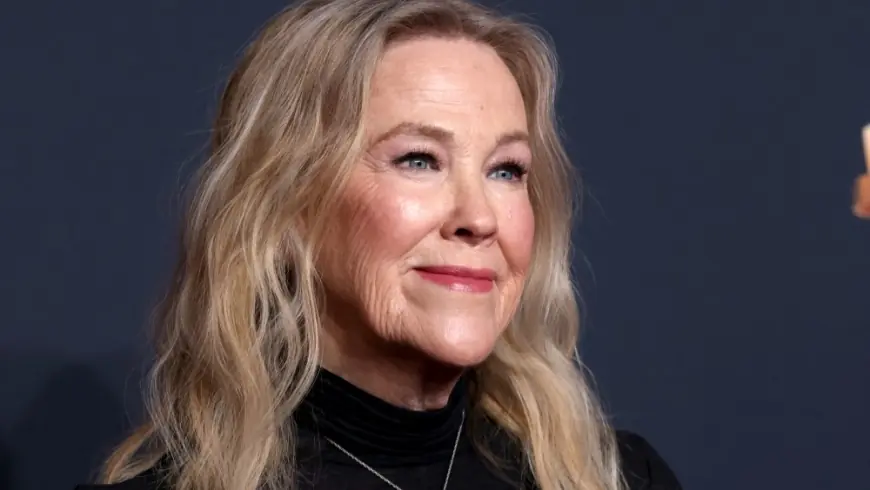
A Los Angeles County death certificate has clarified the cause of death for actor and comedian Catherine O’Hara, revealing that she died from a pulmonary embolism, with rectal cancer listed as the underlying condition. O’Hara died on Jan. 30, 2026, at age 71, in Santa Monica, California, after what had initially been described publicly only as a brief illness.
The newly surfaced details have prompted renewed attention to a dangerous medical complication that can occur alongside cancer, sometimes with little warning.
Death certificate details and dates
The certificate lists a pulmonary embolism—often described as a blood clot that blocks an artery in the lungs—as the immediate cause of death. Rectal cancer is recorded as the long-term underlying cause.
The document was issued on Feb. 9, 2026 (ET). It also indicates O’Hara had been under oncology care since March 2025, and that her oncologist last saw her on Jan. 27, 2026—three days before her death. The certificate notes she was cremated.
No additional specifics about her cancer—such as stage, treatment plan, or recent procedures—were included in the widely circulated summaries of the document.
Why a pulmonary embolism is so serious
A pulmonary embolism can become life-threatening quickly because it reduces blood flow through the lungs, limiting oxygen exchange and straining the heart. The condition is often linked to blood clots that form in deep veins—frequently in the legs—and then travel to the lungs.
In the general public, pulmonary embolism can be difficult to recognize because symptoms overlap with other illnesses. In medically vulnerable patients, including those with cancer, the risk can be higher and the window for intervention can be shorter.
The cancer connection: clotting risk in oncology
Cancer is associated with an increased risk of abnormal blood clotting. That risk can rise further during or after certain treatments, periods of reduced mobility, hospitalization, and recovery from procedures. Cancers within the gastrointestinal tract are among those commonly discussed in relation to elevated clot risk.
The certificate’s combination of “pulmonary embolism” and “rectal cancer” places the death within a well-recognized medical framework: a serious clotting event occurring in the context of an underlying malignancy. It does not, by itself, explain what triggered the clot or whether it formed suddenly or developed over time.
What warning signs are often cited
Medical guidance typically treats suspected pulmonary embolism as an emergency. While each case differs, commonly cited symptoms include:
-
Sudden shortness of breath or rapid breathing
-
Chest pain that can worsen with deep breathing
-
Rapid heart rate, lightheadedness, or fainting
-
Cough, sometimes with blood
-
Swelling or pain in one leg (a possible sign of a deep vein clot)
These symptoms can be caused by many conditions, but the danger of missing a pulmonary embolism is why clinicians treat it urgently when suspected.
The public response: shock, privacy, and legacy
O’Hara’s death came as a surprise to many fans and colleagues, in part because her cancer diagnosis had not been widely disclosed. The death certificate details have reframed the public understanding of what happened: not a vague “brief illness,” but a specific, acute medical event tied to a private cancer battle.
The renewed attention has also revived discussion of O’Hara’s career—spanning decades of film, television, and sketch comedy—while underscoring how illness can remain out of public view even for widely recognized entertainers. Tributes over the past two weeks have emphasized her range: broad physical comedy, sharply observed character work, and an ability to turn small moments into lasting scenes.
What’s known, and what remains unclear
The death certificate answers the central question—cause of death—while leaving significant details unknown. Publicly available information does not confirm the stage of O’Hara’s rectal cancer, the treatments she received, or whether there were recent complications or procedures that might have influenced clot risk.
For now, the most concrete timeline is straightforward: oncology care beginning in March 2025, a medical visit on Jan. 27, and death on Jan. 30 in Santa Monica. The medical cause is specific, and the underlying condition is identified, but the full clinical picture remains private.
Sources consulted: Associated Press, People, Los Angeles Times, The Guardian