























NYC Nurses and Hospitals Finalize Agreement to Conclude Strike

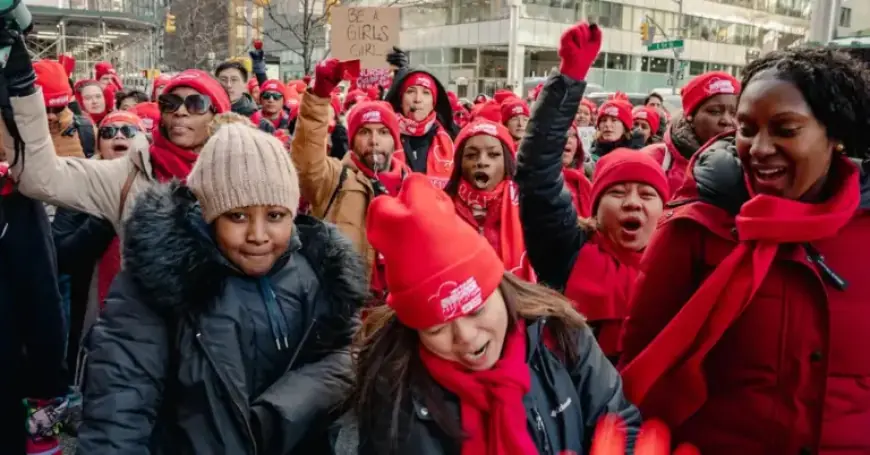
Health care professionals in New York City have reached a tentative agreement that could conclude a month-long strike impacting thousands. Nearly 15,000 nurses participated in this walkout, primarily affecting the Mount Sinai Health System and Montefiore Medical Center, with about 10,500 nurses involved in the new agreement.
Details of the Agreement
The agreement, brokered by the New York State Nurses Association, includes a wage increase of approximately 12 percent over three years. Although negotiations have concluded for some facilities, the strike continues at NewYork-Presbyterian/Columbia hospital.
Vote and Return to Work
Nurses will vote on the tentative agreements in the coming days. If approved, they are expected to return to work within 72 hours. The strike had significant repercussions, including the cancellation of elective surgeries and transfers of some patients to other facilities.
Financial Impact on Hospitals
The financial implications of the strike have been severe, with hospitals reportedly spending over $100 million on temporary nurses to fill gaps. This situation has caused considerable strain on New York’s healthcare system.
Negotiation Conditions
Negotiations took place during extended sessions at the Javits Convention Center, coinciding with the Westminster Kennel Club Dog Show. Major topics of discussion included pay, minimum staffing levels, and workplace violence protections.
Key Stakeholders’ Responses
- Nancy Hagans, president of the nurses’ union, expressed satisfaction with the fair contracts achieved.
- Pat Kane, the union’s executive director, emphasized the nurses’ sacrifices during the strike to advocate for better patient care.
- New York’s Mayor, Zohran Mamdani, supported the nurses during their protests.
Governor’s Actions During the Strike
Governor Kathy Hochul’s actions have drawn criticism from some nurses, particularly after she signed an emergency order allowing hospitals to hire out-of-state nurses without New York licenses. This decision appeared to lessen the pressure on hospitals during the strike.
Challenges Ahead
The negotiations had stalled several times, reflecting ongoing issues within the healthcare sector, including chronic understaffing. Nurses previously achieved significant wage increases and better staffing enforcement mechanisms but continue to navigate an uncertain financial landscape.
Future Considerations
Hospital administrators are now wary of the trend of recurrent strikes due to bad financial conditions ahead. The looming threat of further industrial action could reshape the labor landscape within New York City’s healthcare system.