




















How many Super Bowls have the Seahawks won? Seattle’s total is now two

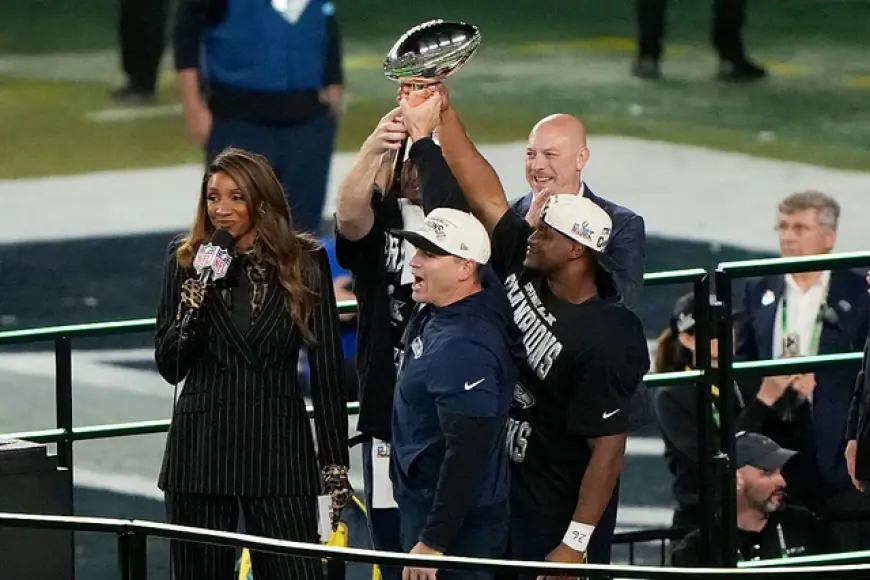
The Seattle Seahawks have won two Super Bowls, a total that changed Sunday night when Seattle beat New England 29–13 in Super Bowl LX on Feb. 8, 2026. The franchise’s first championship came in the 2013 season, when the Seahawks routed Denver 43–8 in Super Bowl XLVIII on Feb. 2, 2014.
The new title also reopens an old chapter for long-time fans: Seattle’s Super Bowl history has been shaped as much by near-misses as by its two Lombardi Trophy runs.
The short answer: Seahawks Super Bowl titles
Seattle’s Super Bowl win count is 2.
-
Super Bowl XLVIII (Feb. 2, 2014): Seahawks 43, Broncos 8
-
Super Bowl LX (Feb. 8, 2026): Seahawks 29, Patriots 13
Those two wins bookend a 12-year gap between championships, with the Seahawks appearing in the big game four times in total.
A franchise defined by four trips
Seattle has now reached the Super Bowl in four seasons, splitting them 2–2. The first appearance ended in disappointment, the second delivered a blowout win, the third ended with one of the most replayed finishing sequences in modern football, and the fourth brought the franchise’s second title.
Here’s the full Super Bowl ledger:
| Season | Super Bowl | Opponent | Result |
|---|---|---|---|
| 2005 | XL | Pittsburgh | Lost 21–10 |
| 2013 | XLVIII | Denver | Won 43–8 |
| 2014 | XLIX | New England | Lost 28–24 |
| 2025 | LX | New England | Won 29–13 |
That 2–2 record matters because it puts Seattle in a smaller tier of franchises that have both sustained contention and also endured highly visible Super Bowl losses—fuel for both pride and lingering “what-if” debate.
The 2014 breakthrough: the Legion-of-Boom era peak
Seattle’s first championship arrived in dominant fashion in early February 2014, when the Seahawks overwhelmed the Broncos 43–8. The game became shorthand for a defensive identity and a roster built to punish mistakes: a punishing secondary, relentless pressure, and an offense that rarely needed to chase points.
Even years later, that performance stands as Seattle’s cleanest Super Bowl statement: no late drama, no scoreboard anxiety, just control from the opening snap to the final whistle. It also served as the franchise’s turning point nationally—Seattle went from “tough out” to a standard-setting team for how defense and efficiency can win on the biggest stage.
The losses that shaped the narrative
Seattle’s Super Bowl story can’t be told without its two defeats.
The first came in Super Bowl XL (Feb. 5, 2006), a 21–10 loss to Pittsburgh that left fans feeling the team’s first title shot slipped away. It was Seattle’s arrival moment, but not a coronation.
The second loss, to New England in Super Bowl XLIX (Feb. 1, 2015), is the one that still echoes. Seattle fell 28–24 in a game that stayed tight to the end, with a finish that remains a defining flashpoint in NFL history. The Seahawks were back in the big game immediately after winning it all, but they didn’t leave with a second trophy—setting up a decade-plus wait for a return.
The 2026 win: second title, new era stamp
Sunday’s Super Bowl LX victory delivered Seattle’s second championship and did it against a familiar opponent: New England. The 29–13 final score reflected a game where Seattle controlled the pace and finished drives often enough to stay in charge, while the defense repeatedly took the ball away and kept New England from turning the fourth quarter into a true comeback window.
The significance goes beyond the trophy count. Winning again resets how the franchise is discussed: not just as a team with a legendary peak in the early 2010s, but as one that found a second championship identity in a different era, with different leaders and a different roster spine.
For fans, it also changes the math of legacy. Two titles doesn’t end every argument—dynasty talk is for teams that stack rings quickly—but it does move Seattle from “one-time champion” to “multiple-time champion,” a meaningful historical line in the NFL.
Sources consulted: Reuters, ESPN, CBS News, National Football League