




















Ministers Support Starmer Amid Rebel Attempt to Undermine Prime Minister

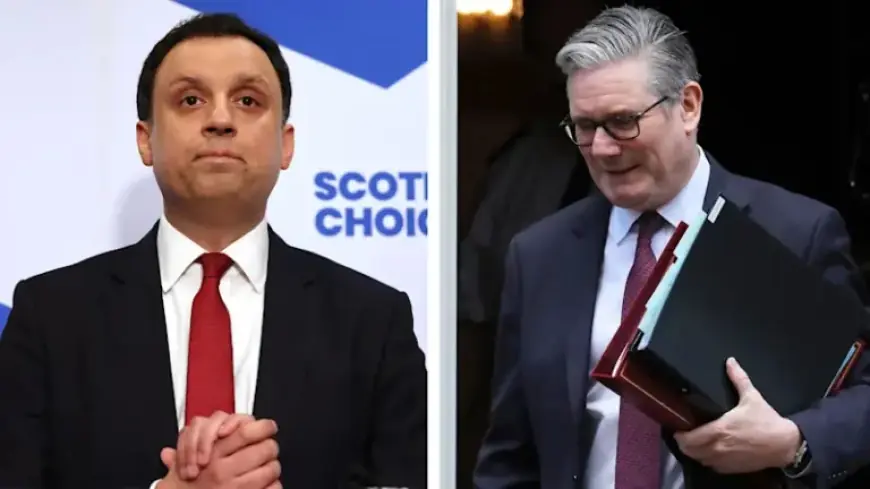
Political tensions are escalating within the Labour Party as Prime Minister Keir Starmer faces a significant challenge to his leadership. The call for Starmer to resign was made by Anas Sawar, the leader of the Scottish Labour Party, during a press conference on February 10, 2026. This public declaration has intensified pressure on Starmer, who only took office 19 months ago after a substantial electoral victory.
Support for Starmer Amidst Rebellion
In response to Sawar’s comments, various cabinet ministers expressed their support for Starmer. They emphasized his electoral mandate and the need for stability. Starmer’s allies believe he possesses the necessary authority to lead the government effectively.
- Cabinet Minister Support: Most of the 21 cabinet ministers, including Defence Minister John Healey and Home Secretary Shabana Mahmood, came forward to reaffirm their backing for Starmer.
- Political Landscape: As the Labour Party grapples with declining poll numbers, the rise of populist leaders like Nigel Farage is raising concerns among party members.
Reasons Behind the Rebellion
Sawar’s resignation demand stems from a series of setbacks within the party. He cited a lack of effective leadership and poor public perception following significant mistakes. Two high-profile resignations, including that of Starmer’s communications chief, Tim Allan, have also contributed to the unrest.
Criticism and Judgement
Another layer of complexity relates to Starmer’s judgment in appointing Peter Mandelson as ambassador to the U.S. Starmer had previously apologized for this decision, acknowledging that he was aware of Mandelson’s ties to the convicted sex offender Jeffrey Epstein. This scandal has fueled doubts about his leadership abilities.
Outlook on Labour’s Future
With the Scottish Parliament elections approaching in May 2026, Sawar expressed his concerns about Labour’s prospects if no changes were made. He emphasized the necessity for the party to regain public trust and improve its direction.
Leaders from other regions, including Eluned Morgan in Wales and Douglas Alexander, Secretary of State for Scotland, are also navigating their own challenges amid these developments.
As the situation unfolds, the Labour Party must address internal divisions while rallying support from its members and the broader public. The next steps taken by Starmer and his cabinet will be crucial in determining the direction of the party as it strives to maintain power and influence in British politics.