










Morrow Criticizes Bad Bunny as NFL’s Latest Woke Controversy

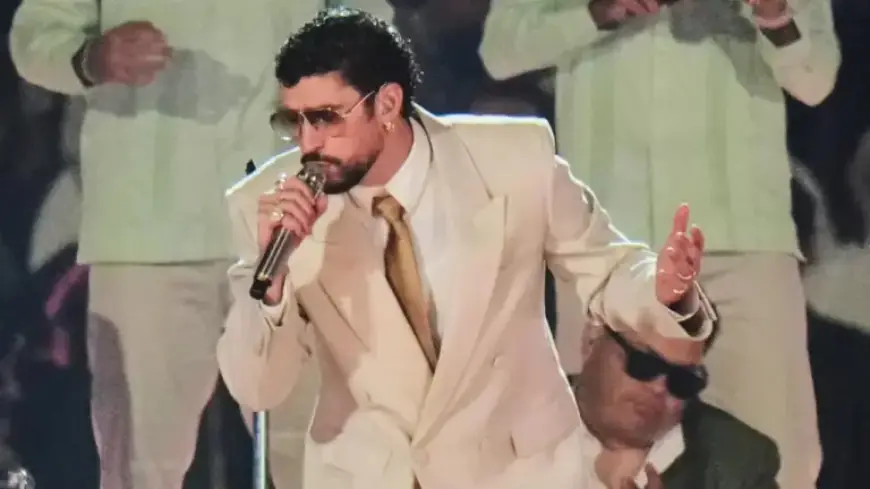
The upcoming Super Bowl halftime show is stirring controversy, hinging on the performances of artists like Bad Bunny. This year’s event challenges the traditional sports spectacle by intertwining political narratives with entertainment.
Morrow Criticizes Bad Bunny’s Presence at Super Bowl
James Morrow, the National Affairs Editor for the Daily Telegraph, has voiced concern over what he perceives as the NFL’s ongoing shift towards a politically charged atmosphere. He reflects on how the league embraces messages associated with social justice, evident in past campaigns featuring phrases such as “Stop Hate” and “Black Lives Matter.”
Bad Bunny: A Controversial Choice
Bad Bunny, whose real name is Benito Ocasio, is a Puerto Rican artist recognized in the Latin Trap genre. While he boasts considerable popularity within certain circles, Morrow notes that mainstream recognition may be limited among average NFL fans.
- Real Name: Benito Ocasio
- Known As: “King of Latin Trap”
- Political Stance: Critiques U.S. immigration policies and former President Donald Trump
Morrow highlights an incident where NFL players were asked about their favorite Bad Bunny songs, with many failing to identify him. This raises questions about the relevance of his performance at a major sporting event.
Political Implications of the Halftime Show
The controversy surrounding Bad Bunny stems from his outspoken political beliefs. At a recent Grammy Awards event, he made headlines by vocalizing his disdain for U.S. immigration policies, using phrases like “ICE out!” in front of a supportive audience.
Despite claims that he would maintain a non-political stance during the Super Bowl, Morrow suggests that Bad Bunny’s mere presence serves as a political statement. It reinforces the interpretation that entertainment can be a platform for social commentary.
Public Reception and Predictions
Morrow anticipates a mixed reception to the halftime show. Many viewers may choose to avoid the performance, drawn to a sense of fatigue over the intermingling of sports and politics.
This year’s Super Bowl may not only showcase athletic talent but also examine the evolving relationship between sports and political discourse in America.