






















Mardi Gras 2026 heads into peak weeks with tighter security and leaner city spending

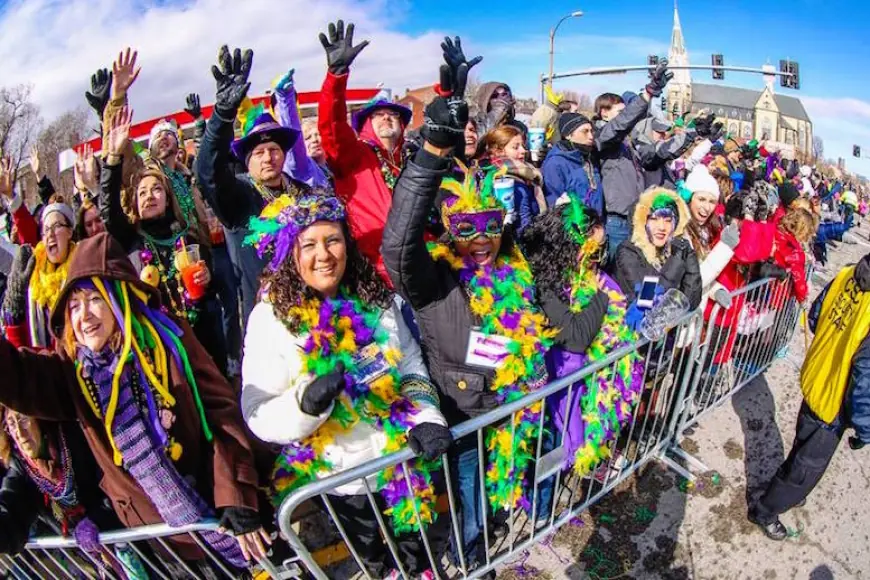
Mardi Gras season is now in its busiest stretch, with major parade weekends underway and Fat Tuesday approaching on Tuesday, Feb. 17, 2026. In New Orleans, the ramp-up is arriving alongside two big shifts: a visibly larger security footprint around parade routes and downtown, and sharply reduced city spending on traditional public-facing hospitality tied to Carnival operations.
The result is a 2026 Mardi Gras that still looks and sounds like the same festival on the street—but with more enforcement at entry points, stricter route rules, and fewer city-funded extras.
When Mardi Gras 2026 happens
Mardi Gras Day (Fat Tuesday) falls on Tuesday, Feb. 17, 2026. The weeks leading into it are where attendance and parade density surge, especially over the final two weekends before Fat Tuesday.
In New Orleans, parades are already rolling daily across multiple routes and neighborhoods. The calendar typically accelerates from “locals’ season” into “destination season” right about now, with bigger crowds, longer lines for transit, and earlier arrival times needed for decent viewing.
New Orleans security steps up for peak weekends
Public safety planning has moved to a more intensive posture as the city enters its two peak parade weekends. The visible changes include a larger mix of uniformed personnel and partner-agency support around high-traffic areas, plus more active traffic controls near routes and access corridors.
Expect more of the following over the next 10 days:
-
More checkpoints and restricted vehicle access near parade corridors and downtown
-
More rapid street closures before and after parades
-
Faster enforcement of route rules designed to keep sidewalks and emergency lanes clear
Officials have also reiterated restrictions along major routes that target items that block movement or create hazards—particularly improvised fixtures, large setups, and bulky furniture left curbside.
City budget cuts change the tone at traditional hotspots
This year’s city Mardi Gras budget has been cut dramatically, reshaping how some long-standing civic traditions will look. A number of city-funded hospitality touches tied to official viewing and hospitality areas have been removed, even as core public safety and operations remain in place.
In practical terms, residents and visitors may notice fewer city-provided “nice-to-haves” and a more utilitarian feel in certain official areas. The city’s posture is clear: preserve essentials that keep events running and crowds safe, while trimming discretionary spending.
Olympics today isn’t the only crowd draw: parade schedule highlights (ET)
New Orleans parades continue today (Saturday, Feb. 7, 2026), with Uptown events starting midday and rolling into the evening. Parade times below are listed in Eastern Time (ET).
Today’s notable New Orleans parades (ET):
-
12:30 p.m. ET — Krewe of Pontchartrain (Uptown)
-
Later midday, following — Legion of Mars; Krewe of Choctaw; Krewe of Freret (Uptown sequence)
-
6:30 p.m. ET — The Sparta Society (Uptown)
-
7:15 p.m. ET — Krewe of Pygmalion (Uptown)
As the schedule thickens, the best planning advantage is simple: treat parade starts as “arrival deadlines,” not “show-up times.” If you arrive at the listed start time, you’re often arriving after the best curb space is already taken.
Beyond New Orleans: Gulf Coast celebrations expand the calendar
Mardi Gras isn’t confined to one city, and 2026 continues the trend of multiple Gulf Coast destinations running long festival windows that stretch through Fat Tuesday.
Galveston’s celebration spans Feb. 6–17, 2026, featuring multiple parades across two weekends, plus concerts and street events. Mobile’s Carnival calendar also intensifies as Fat Tuesday nears, with a dense schedule of parades and traditional events that ramp up in the final days before Feb. 17.
For travelers, the practical difference between cities is less about “who does it best” and more about logistics: hotel inventory, route walkability, and how concentrated the main events are. New Orleans offers unmatched density and scale, while other cities often offer easier access and more manageable crowd flows.
What to watch as Fat Tuesday approaches
The next week is when small operational details can make or break the experience—especially in New Orleans’ busiest zones.
Key things that will shape the final run-in:
-
Weather swings: warmer-than-normal trends can boost turnout, while rain chances can scramble arrival patterns and parade pacing.
-
Access rules: stricter route enforcement can improve safety but also create pinch points at crossings and entry corridors.
-
Crowd behavior: the biggest risks tend to come from congestion, alcohol-related medical calls, and blocked emergency lanes—issues that rise sharply on the final weekend and Fat Tuesday itself.
Mardi Gras will still be Mardi Gras—music, costumes, throws, and packed sidewalks—but the 2026 version is clearly leaning into tighter controls and leaner city spending as it heads toward its biggest days.
Sources consulted: City of New Orleans, MardiGrasNewOrleans.com, NewOrleans.com, Axios