


















Jack Doherty faces new fallout after being banned from PGA Tour events

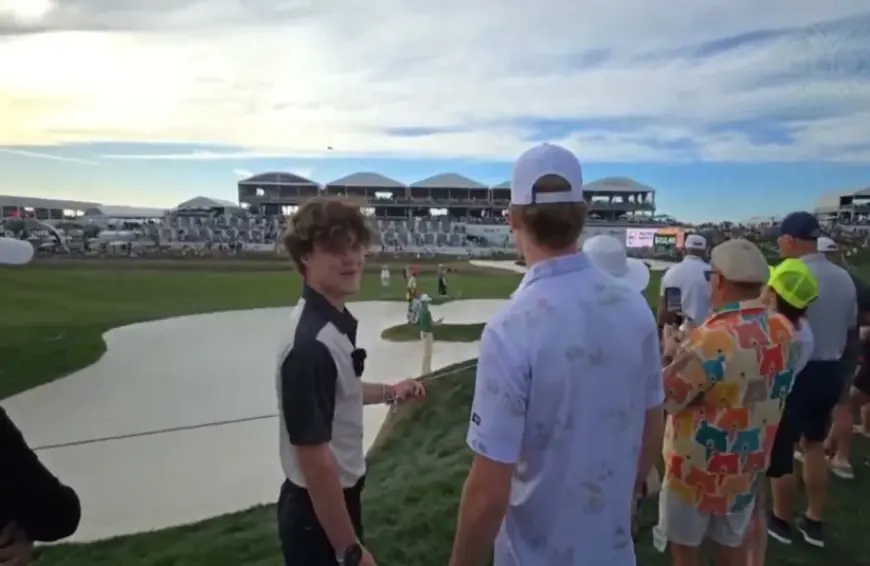
Online personality Jack Doherty is facing fresh backlash after being removed from the Waste Management Phoenix Open in Arizona and told he is banned from PGA Tour events going forward. The episode has amplified scrutiny of “prank” content that spills into real-world venues, and it lands while Doherty is still navigating prior legal trouble tied to an arrest in South Florida late last year.
The golf incident has become the latest flashpoint in a pattern critics describe as attention-seeking stunts in public spaces, while supporters argue he is being singled out for content that is common across the creator economy.
What happened at the Phoenix Open
Officials and on-site security intervened after Doherty approached spectators near the course and encouraged disruptive behavior during play. The incident unfolded around one of the tournament’s most crowded areas, where noise is already part of the event’s reputation—but where interference with a player’s swing is treated as a hard line.
Security escorted Doherty out, and he was told he is barred from returning to future PGA Tour tournaments. The ban became a major talking point because it was framed as a preventative step—aimed at stopping repeat disruptions rather than addressing a one-off misunderstanding.
Why the PGA Tour response was so firm
Professional golf is unusually sensitive to interference because the sport depends on quiet at the moment of a swing. Even small disturbances can affect outcomes, which is why fan conduct rules are enforced aggressively compared with many other sports.
What stood out here was the intent: the behavior wasn’t an accidental outburst from the crowd but an attempt to prompt it. That difference matters for enforcement, because it shifts the situation from crowd control to deliberate disruption—something event organizers often treat as a safety and integrity issue.
The ban also sends a broader signal to venues that increasingly deal with creators seeking viral moments: access is a privilege, and the threshold for removal can be low when content is designed to provoke.
A broader debate over “prank” culture at live events
The incident taps into a growing tension between live sports and the creator economy:
-
Sports venues want atmosphere and engagement, but not actions that affect competition.
-
Creators want authentic reactions, but “authentic” can turn into harassment or interference.
-
Security teams need clear standards that work in seconds, not after a post goes viral.
In practical terms, leagues are drawing clearer lines: filming is one thing, manufacturing disruption is another. The concern is that if one stunt goes unpunished, it can invite copycats, escalating risk for players, fans, and staff.
Legal trouble still hanging over him
The golf ban arrives amid continuing attention on Doherty’s prior arrest in Miami Beach, where police said he was taken into custody after an incident involving traffic disruption and alleged drug possession. Public records and coverage describe multiple charges, including possession of a controlled substance, possession of cannabis, and resisting an officer without violence.
That earlier case remains relevant because it shapes how the public interprets new incidents: a venue ban can look like an isolated consequence, or it can feel like the continuation of a wider pattern—depending on how the legal process and future conduct unfold.
Timeline of recent key incidents
| Event | Date (ET) | Outcome |
|---|---|---|
| Miami Beach arrest tied to traffic disruption and alleged drug possession | Nov. 15, 2025 | Charges filed; case proceeded into 2026 |
| Court hearing date referenced in coverage | Jan. 15, 2026 | Ongoing legal process; details still developing |
| Removal from Phoenix Open and notice of PGA Tour ban | Feb. 6–7, 2026 | Barred from PGA Tour events going forward |
What happens next
Two tracks matter now: venue access and legal exposure.
On the venue side, the immediate consequence is straightforward—Doherty’s ability to appear at PGA Tour tournaments is cut off, limiting a category of content that relies on crowds and high-profile settings. Other leagues may watch closely, especially those already dealing with field-level disruptions.
On the legal side, any ongoing court obligations and outcomes from the Miami Beach case will continue to shape brand partnerships and platform opportunities. If additional restrictions or penalties emerge, the practical effect could be less about public opinion and more about what Doherty is able to do, where, and under what conditions.
For fans searching “jack doherty” today, the key point is that the story is no longer only about what happens on camera. It’s increasingly about how institutions—courts, leagues, and event operators—respond when online stunts cross into regulated spaces with strict rules.
Sources consulted: Newsweek; CBS News; Yahoo Sports; People