













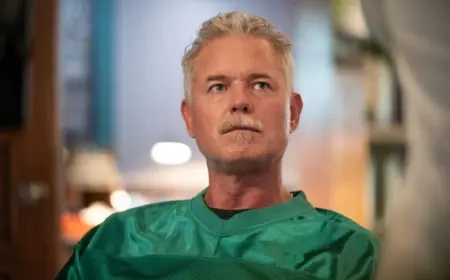










Brad Arnold cause of death: 3 Doors Down singer dies at 47 after kidney cancer battle

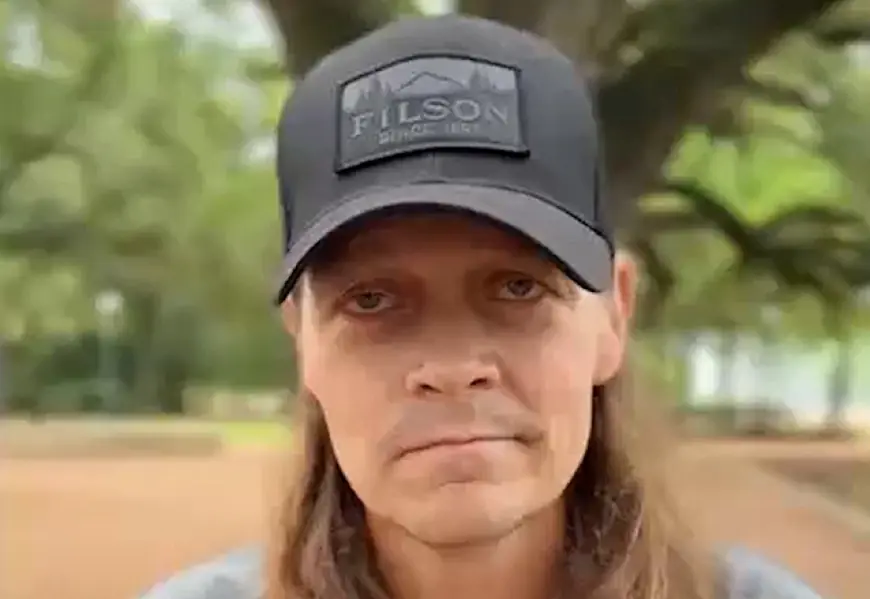
Brad Arnold, the lead singer and founding member of 3 Doors Down, died on Saturday, Feb. 7, 2026 (ET), at age 47, following a battle with stage IV kidney cancer. Public statements from the band and coverage of his earlier diagnosis indicate he had clear cell renal cell carcinoma that had spread to his lungs, a progression that led the group to cancel planned touring as his health declined.
Arnold’s death has prompted an outpouring of tributes from fans of early-2000s rock, where his voice and songwriting helped turn 3 Doors Down into a radio staple.
What’s confirmed about the cause of death
The cause of death has been described publicly as kidney cancer, specifically advanced-stage clear cell renal cell carcinoma. Arnold revealed his diagnosis in May 2025, stating that the cancer had metastasized to his lung, indicating late-stage disease. His illness was discussed openly in the months that followed, and it directly affected the band’s ability to perform and tour.
Statements shared in connection with his passing also indicate he died peacefully, with loved ones present, though detailed medical specifics beyond the cancer diagnosis have not been disclosed publicly.
A timeline from diagnosis to public farewell
Arnold’s diagnosis became public in May 2025, when he shared that he was facing stage IV disease. From that point, his health status became closely tied to the band’s schedule, with major live plans curtailed as treatment and recovery demands took priority.
By early 2026, the illness had become the defining factor around the group’s near-term plans. The announcement of his death on Feb. 7, 2026, closed a nine-month period in which fans watched for updates while the band largely stepped back from the road.
Why the diagnosis was especially serious
Clear cell renal cell carcinoma is the most common form of kidney cancer, and outcomes depend heavily on stage at diagnosis. The factor that shifts the stakes dramatically is metastasis—when cancer spreads beyond the kidney to other organs, treatment becomes more complex and long-term prognosis worsens.
Arnold’s earlier disclosure that the cancer had spread to his lung placed the disease in an advanced category from the outset. In that context, pauses in touring are common: treatment schedules, side effects, and the physical demands of performance and travel can be difficult to reconcile.
The impact on 3 Doors Down and its fans
Arnold wasn’t only the band’s frontman—he was one of its key musical decision-makers and its most recognizable voice. He co-founded 3 Doors Down in 1996 in Mississippi and helped shape the band’s mainstream breakthrough with songs that became fixtures of rock radio.
His writing and vocals powered hits including “Kryptonite,” “When I’m Gone,” and “Here Without You,” tracks that defined an era when post-grunge and alternative rock crossed fully into pop culture. For many listeners, those songs were tied to personal milestones—first concerts, long drives, and radio countdowns—making the news of his death feel intensely personal.
What the band and family have said
Public remarks connected to the announcement emphasized Arnold’s role not just as a musician but as a husband and friend, describing him as generous and deeply loved. The tone of those statements has centered on remembrance and gratitude, while keeping private the details of his final days beyond the broad description of a cancer battle.
That approach is common in high-profile deaths tied to prolonged illness: it confirms the essential medical reality while preserving the family’s control over more intimate information.
What comes next: tributes, legacy, and music that remains
In the near term, attention is expected to turn to memorial plans and tributes from fellow musicians and the band’s broader community. Any plans for benefit concerts, charity activity, or archival releases would likely be announced separately and may depend on the family’s wishes.
Arnold’s legacy is already fixed in the sound of a particular moment in American rock—anthemic choruses, emotionally direct lyrics, and a voice that carried both grit and clarity. While the band’s future is uncertain without him, the catalog remains a time capsule for millions of listeners who grew up with those songs as a soundtrack.
Sources consulted: Reuters, People, CBS News, Wikipedia