























Netflix Anonymizes Interviewees in Lucy Letby Documentary: Here’s Why

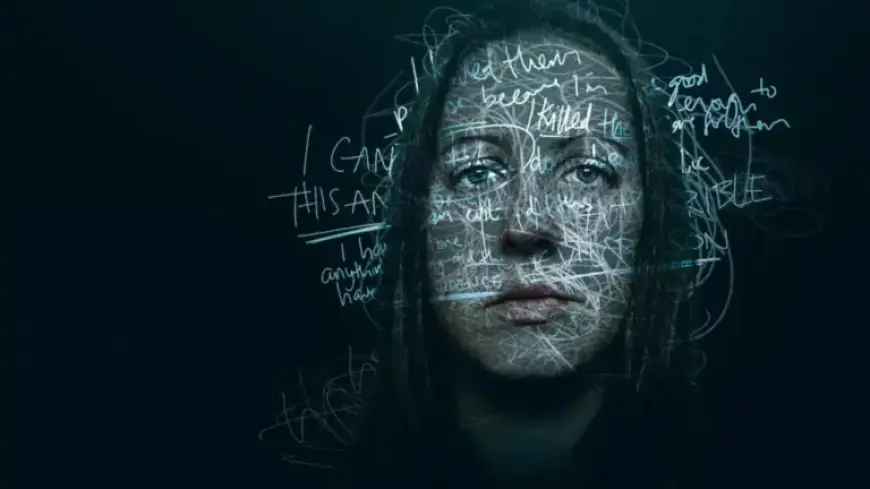
In recent news, Netflix has released a new documentary titled “The Investigation of Lucy Letby.” This marks at least the fifth documentary chronicling the tragic events surrounding the neonatal nurse’s conviction in 2023 and 2024. Letby was found guilty of murdering seven babies and attempting to murder seven others in her care while employed at the Countess of Chester Hospital.
Documentary Overview
Unlike previous accounts, Netflix’s approach focuses on the emotional weight of the story. The documentary features unseen footage from the police investigation, including poignant moments such as Letby saying goodbye to her pets as she is taken into custody. Emotional testimonies from the families affected by her actions are central to the narrative.
Anonymous Contributors
In a unique stylistic choice, “The Investigation of Lucy Letby” has anonymized several interviewees using digital disguises. The documentary includes accounts from “Sarah,” the mother of one of the victims, and “Maisie,” a university friend of Letby. Text appears onscreen at the beginning, explaining that some contributors have been digitally disguised to maintain their anonymity.
- Digital identities: Some contributors’ names, faces, and voices have been altered.
- AI avatars: Viewers see emotive portrayal through these digital characters.
Reactions to Digital Anonymization
The decision to use AI to disguise contributors has sparked mixed reactions. Some viewers found the digital representation to be a compelling way to convey emotion, while others felt it created a disconnect from the real-life accounts being shared. Comments on social media reflected these varied opinions.
- One viewer stated, “Not the AI rendered people in the Lucy Letby documentary,” highlighting confusion.
- Another commented, “I think it’s a weird decision, but one we’ll have to wrestle with.”
Implications of Digital Anonymization
Digital anonymization is not a new concept in true crime documentaries. Traditionally, contributors were often masked or voiced over to protect their identities. However, the use of AI avatars elevates this practice to a new level. These avatars can express emotions, making the storytelling more relatable, albeit with a layer of artificiality.
Critics argue that while AI enhances anonymity, it may also detract from the viewer’s experience. The emotional impact is significant, but the authenticity of human connection may be compromised. As technology progresses, the balance between anonymity and genuine representation will continue to provoke discussions in the realm of documentary filmmaking.
The Future of Documentary Filmmaking
As true crime narratives evolve, the employment of AI in documentaries may become more prevalent. Protecting contributors’ identities remains crucial, especially when dealing with sensitive subjects. The ongoing debate around digital disguises reflects broader societal questions about identity, anonymity, and the ethical considerations of storytelling.
In conclusion, Netflix’s “The Investigation of Lucy Letby” not only recounts a chilling story but also challenges traditional documentary methods through the use of digital anonymization. Whether this approach is beneficial or distracting will depend on audience reception moving forward.