



















Fake Trump Post on Truth Social Spreads Rapidly

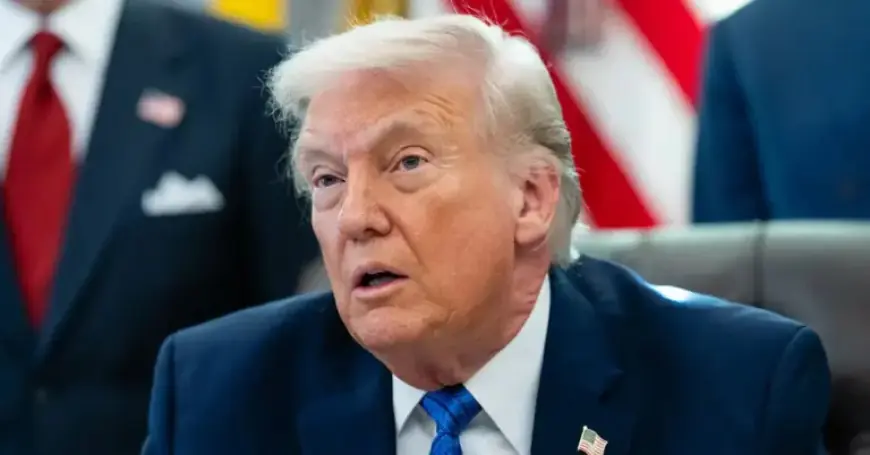
A recent incident involving a fake post resembling President Trump’s message on social media drew significant attention over the weekend. This forged content caused considerable confusion regarding Trump’s social media activity, particularly related to a controversial video involving former President Obama. By Saturday, the misleading post had amassed approximately 3.7 million views on X.
Details of the Fake Post
The deceptive post, published on Friday night, suggested that Trump apologized for sharing a racist video featuring Barack and Michelle Obama portrayed as apes. In this fabricated message, he claimed the clip was offensive to animals. While many users recognized the post as a forgery, some right-wing supporters praised Trump for not issuing an apology, demonstrating the divide in perceptions surrounding the authenticity of the post.
Context of the Original Video
The original video that sparked this controversy included racist imagery and was spliced into another video discussing voter fraud conspiracies. Trump later asserted that he had not viewed the offending clip before authorizing his aides to share it. He emphasized that despite the backlash, he had not made a mistake in posting the video.
The Role of Misinformation on Social Media
This incident is part of a broader trend of misinformation proliferating online, particularly among right-wing influencers. In recent months, a wave of artificial intelligence-generated content has flooded social media. These posts often include satirical, and at times, racist material, reaching millions of viewers.
Previous Instances of Controversial Content
Trump has previously shared content created by meme-makers and influencers. Notably, in October, he shared an AI-generated video where he was depicted as piloting a fighter jet. The creator of that satirical video is also associated with the recent racist portrayal of the Obamas.
Conclusion
The spread of the fake Trump post underscores the growing challenges of navigating misinformation in the digital age. As political discourse increasingly intertwines with social media, understanding the origins and impacts of such content becomes crucial for users and platforms alike.