






















TrumpRX Launch: Unveiling Mechanics and Democratic Reactions

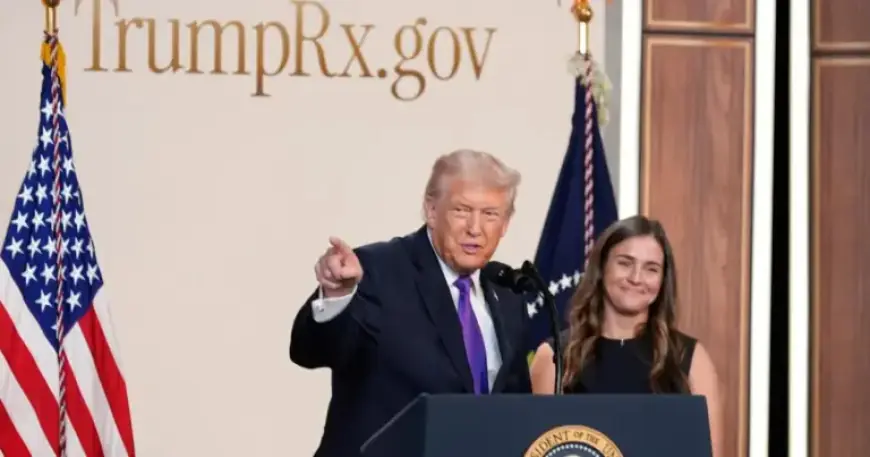
The launch of the TrumpRx platform on Thursday is viewed as a significant move in the realm of prescription drug pricing. The initiative aims to provide uninsured Americans with access to discounted prescription drugs at potentially the lowest prices worldwide. During a press conference, President Trump touted the platform as the most substantial cut in prescription drug costs in history.
Understanding TrumpRx
Available at trumprx.gov, the platform focuses on helping uninsured individuals find affordable medicines, particularly higher-cost brand-name prescriptions related to fertility, obesity, and diabetes treatments. However, TrumpRx does not directly sell prescription drugs. Instead, users can browse a selection of discounted medications and either receive a coupon valid at specific pharmacies or be redirected to a manufacturer’s website for direct purchase.
Pricing Agreements and Statements
The White House claims that the lower prices available on TrumpRx result from negotiated “most favored nation” agreements with 16 major pharmaceutical manufacturers, including Pfizer and Eli Lilly. These deals stipulate that U.S. drug prices will not exceed those in other wealthy nations in exchange for tariff exemptions lasting three years. Despite this, the detailed legal and financial implications of these agreements remain undisclosed, leaving experts questioning the platform’s efficacy.
Market Impact and Transparency
While the White House promotes TrumpRx as a transformative solution to drug pricing, economists suggest the actual savings may be limited. Geoffrey Joyce, director of health policy at the USC Schaeffer Center for Health Policy and Economics, notes that the platform benefits from greater pricing transparency, aimed at dismantling the complexities surrounding medication pricing and distribution.
- For uninsured individuals or those seeking non-covered “lifestyle drugs,” TrumpRx could be advantageous.
- However, it primarily serves low-volume medications and those already offered at discounted rates.
Challenges and Criticism
Initial analyses indicate that many of the drugs listed on TrumpRx were already accessible through other price-search platforms. For instance, medications like Pfizer’s Duavee and Wegovy were available at the same prices on GoodRx prior to the platform’s launch. Critics argue that TrumpRx offers limited coverage, with only 43 medications listed.
Democratic Concerns
Democratic lawmakers have criticized the initiative, labeling it a “vanity project.” They claim it lacks substantial discounts and demand transparency regarding the administration’s negotiations with pharmaceutical companies. In fact, some lawmakers urged a delay in TrumpRx’s launch, expressing concerns it merely rebrands existing services.
Furthermore, potential conflicts of interest have arisen connecting TrumpRx to the online dispensing platform BlinkRx, where Donald Trump Jr. serves on the Board of Directors. The timing of announcements regarding both platforms has sparked inquiries into possible influences and self-dealing.
Looking Ahead
The rollout of TrumpRx aligns with various White House efforts aimed at addressing rising healthcare costs, a critical issue as the November midterms approach. The administration encourages public support for this initiative, known as “the great healthcare plan,” which purportedly aims to further reduce drug prices and insurance premiums.
The platform seeks to expand its offerings in the future, especially for the approximately 8% of Americans without health insurance. However, experts caution that the actual impact of TrumpRx on long-term pricing remains uncertain.