















Olympics Highlight Global Unity Amidst a Divided World

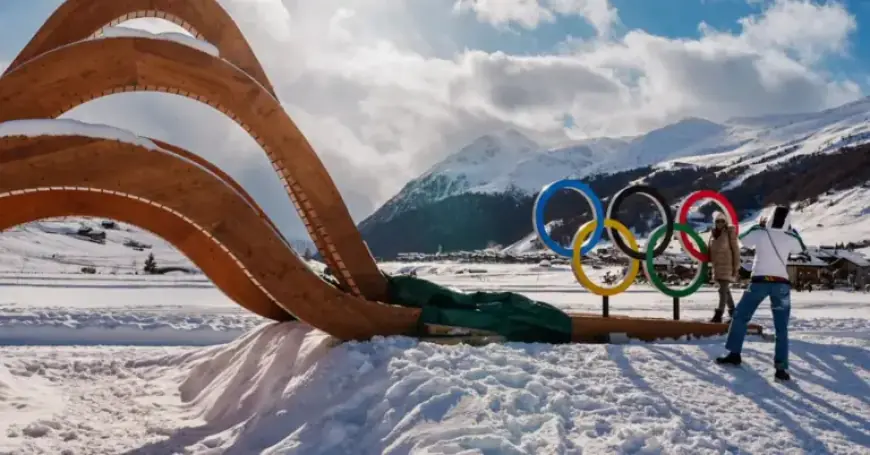
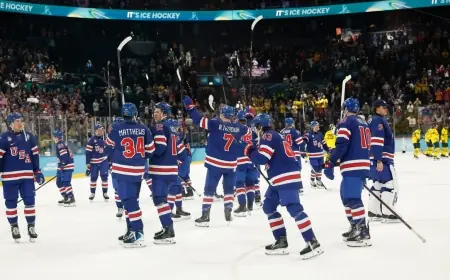
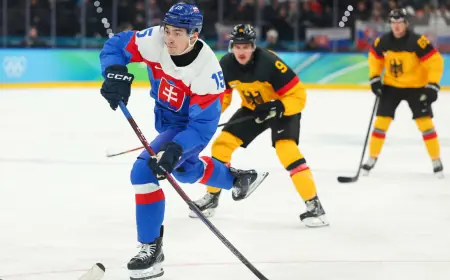
The Winter Olympics are returning to Italy, with Cortina d’Ampezzo as one of the key venues. Originally slated for 1944, the Games were canceled due to World War II. Now, nearly eight decades later, athletes will gather in northern Italy amid significant geopolitical tensions. This year’s events take place against a backdrop of political discord and shifting alliances.
Global Unity Amidst a Divided World
The Milan-Cortina Games are set to occur at a time marked by heightened global instability. Jules Boykoff, a sports politics expert, describes the moment as one of the most politically challenging in Olympic history. Athletes from over 90 delegations will participate, showcasing unity in a turbulent landscape.
Political Tensions Surrounding the Games
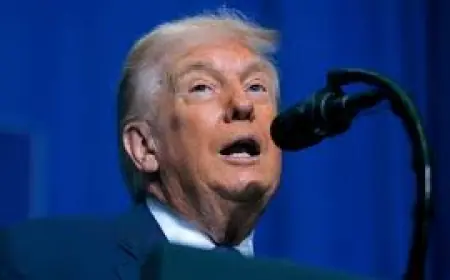
Recent actions by political leaders have amplified concerns regarding international cooperation. For instance, U.S. military interventions and threats against allies have disrupted long-standing diplomatic norms. President Trump’s recent maneuvers have raised questions about global alliances, affecting perceptions as the Olympics commence.
- Trump ordered military intervention in Venezuela.
- Threatened the use of force against Greenland.
- Concerns over the future of the United Nations due to funding cuts.
As the Italian Prime Minister, Giorgia Meloni, attends the opening ceremony, her role symbolizes fragile diplomatic relationships. Giovanni Orsina, a political scientist, notes that her influence on Trump has diminished. Meloni’s recent critique of Trump highlights ongoing disagreements between the leaders.
Diplomatic Opportunities Amidst Discord
Despite these tensions, some see the Olympics as an opportunity for leaders to mend diplomatic ties. Vice President JD Vance and Secretary of State Marco Rubio will join Meloni, which may foster a sense of renewed camaraderie between the U.S. and Italy.
However, others question whether the Olympics can bridge divisions in an era where political conflicts dominate headlines. Richard N. Haass of the Council on Foreign Relations argues that expecting the Games to unify nations is unrealistic.
Security Concerns and Protests
The lead-up to the Olympics has not been free from political controversy. The involvement of U.S. ICE agents has sparked backlash among Italians. Protests are anticipated during the Games, prompting government clarifications regarding the agents’ roles.
Historic Context of Conflict Within the Olympics
The Olympics have often unfolded against the backdrop of global strife. Key events in Olympic history include:
- Cancellation of five Olympics during the World Wars.
- The Munich massacre in 1972.
- The U.S. boycott of the 1980 Moscow Olympics.
- The postponement of the 2020 Tokyo Games due to the pandemic.
This year, athletes from Russia and Belarus will compete as neutral athletes, reflecting ongoing geopolitical issues. The International Olympic Committee (IOC) faces criticism for maintaining this stance, as calls to bar certain delegations have intensified due to recent conflicts.
The Challenge of Climate Change
Climate change poses another critical challenge for the Winter Olympics. Rising temperatures and the melting of snowcaps threaten the future of winter sports. Experts suggest that without artificial snow, only a handful of cities may be viable hosts for the Olympics by 2050. David Goldblatt, an Olympics historian, warns that the Games could become symbolic of broader environmental crises.
As the Winter Olympics unfold, athletes and spectators will engage not only in sports but also in reflections on unity, conflict, and the aspirations for a more cohesive global community.