






















Orangetown Supervisor Regrets Immigration Remark at Lawler Event

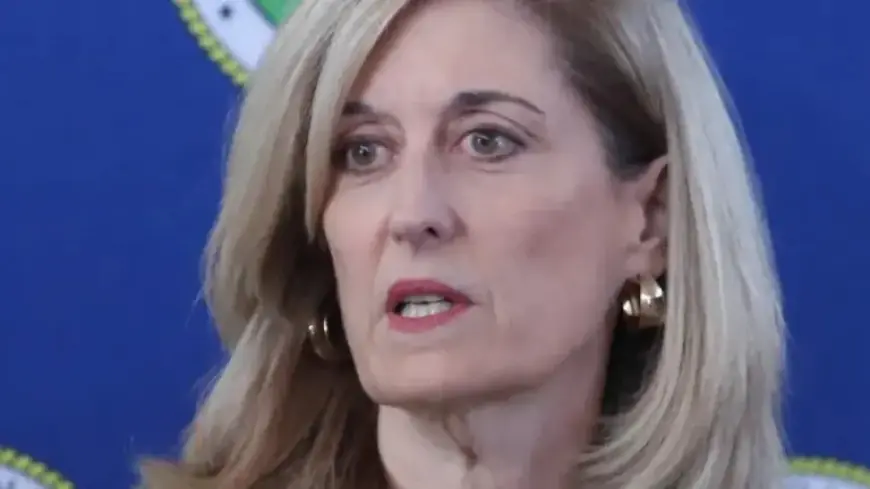
During a recent town hall meeting hosted by U.S. Representative Mike Lawler in Rockland County, controversial comments by Orangetown Supervisor Teresa Kenny stirred significant backlash. The event took place at SUNY Rockland Community College on February 1, 2026.
Context of the Town Hall Meeting
Lawler’s town hall was marked by emotional discussions surrounding immigration policies and the involvement of U.S. Immigration and Customs Enforcement (ICE). Tensions escalated when a man, who identified himself as a U.S. Navy veteran, was escorted out after expressing frustration with Lawler’s responses.
As the man was removed, Kenny was captured on video saying, “I hope they check his immigration status.” This remark, made jokingly in a heated atmosphere, quickly drew criticism.
Kenny’s Regret Over the Immigration Comment
In a Facebook post dated February 3, Kenny expressed regret about her comment, acknowledging its inappropriateness in light of the charged emotions at the event. She described her statement as an “off-the-cuff joke,” but this explanation did not sit well with many.
Reactions from Community Leaders
- Nicole Hines, President of the Nyack NAACP, voiced her concern over Kenny’s remarks, stating, “That is not a joke, nor an apology.”
- Hines emphasized that Kenny’s comments were particularly distressing considering the diversity of Orangetown, where the 2020 census showed a population that is approximately 71% white, with over 15% Latino and 4.5% Black residents.
Public Sentiment Regarding Immigration
The response to Kenny’s comment reflects broader tensions within the community about immigration. Hines pointed out that such remarks from elected officials can undermine feelings of safety among immigrant families.
Additional Context from the Meeting
During the town hall, Lawler himself defended his stance against politically charged rhetoric, stating he did not agree with labeling certain individuals as “domestic terrorists” or equating ICE to the Gestapo. His position sought to navigate the intense discussions around immigration and law enforcement.
Conclusion
Kenny’s recent remarks and subsequent apology highlight the complexities involved in discussions about immigration in today’s political climate. As communities continue to grapple with these issues, the need for sensitive dialogue remains essential.