



















Trump Proposes Two-Year Closure of Kennedy Center: Arts Expert Weighs In

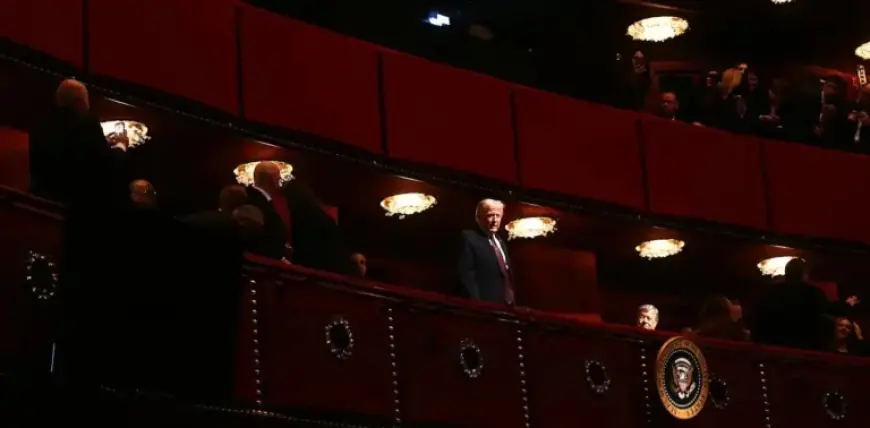
On February 1, 2026, President Donald Trump proposed a two-year closure of the John F. Kennedy Center for the Performing Arts. The closure is slated to begin on July 4, 2026, for reasons related to “construction, revitalization, and complete rebuilding.” Following the announcement, Trump clarified that the facility would not be demolished.
Impact of Trump’s Proposed Closure on the Kennedy Center
The Kennedy Center has faced numerous cancellations and boycotts since Trump took office during his second term. He appointed a new board management in February 2025, leading to an unprecedented proposal to rename the center, an act that drew mixed reactions.
Authority Over the Kennedy Center
Despite holding significant influence as President, Trump’s authority over the Kennedy Center remains complicated. He appointed nearly half of the center’s governing board and serves as its chair, giving him substantial leverage. However, legally, the Kennedy Center operates under the oversight of its full board and federal funding is regulated by Congress.
- Established by Congress as a living memorial to President John F. Kennedy.
- Mix of public funding, private donations, and ticket sales sustains operations.
- Board has authority to oversee capital repairs and modifications.
Claims of Required Upgrades
Trump’s assertion that the Kennedy Center requires significant upgrades has merit. A 2021 review identified 323 repair projects, estimated to cost around $252 million. However, the necessity for total closure remains questionable.
Some parts of the Kennedy Center are relatively new, and previous budget requests suggested a phased approach to renovations, allowing some activities to continue.
Effects of Trump’s Administration on Attendance
Attendance and ticket sales at the Kennedy Center have reportedly declined sharply. Several notable acts, including renowned artists, have canceled performances. As a result, the Washington National Opera decided to part ways with the center.
- Prominent cancellations reported by artists like Renée Fleming and Philip Glass.
- Communications from center leaders attributed declining attendance to “liberal intolerance.”
The Kennedy Center’s Future
The Kennedy Center plays a crucial role in the U.S. arts landscape, serving over 2.1 million individuals annually through educational programs and public performances. Its closure could disrupt many established artistic relationships and hinder operations for both resident and touring companies.
Concerns About Temporary Relocation
In the event of a two-year closure, finding comparable venues for scheduled events poses a significant challenge. Some touring productions may be affected, further exacerbating the center’s operational difficulties.
The recent announcement has left many—including the center’s staff and performers—surprised and uncertain about the future. Major renovations typically demand collaborative efforts rather than sudden, unilateral decisions.
As the arts community grapples with this unexpected news, the long-term consequences could significantly reshape the cultural landscape in Washington, D.C., and beyond. It might take far longer to re-establish trust and relationships within the arts community than the physical renovations would take.