
























Exploring US-Iran Diplomacy: Navigating a Narrow Window for Talks

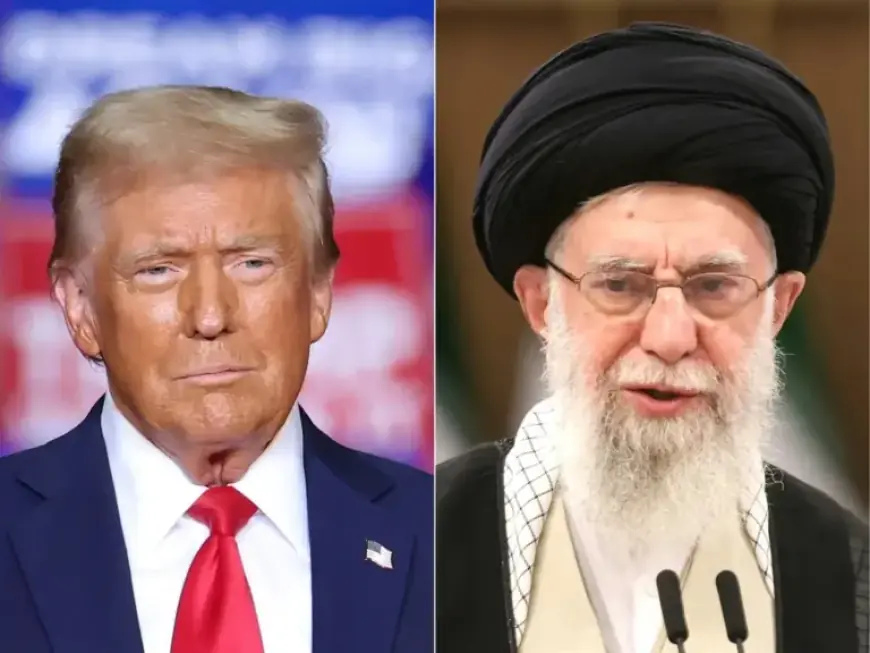
Iran is seeking diplomatic discussions with the United States to stabilize its political landscape before involving regional nations. Recent developments have confirmed that Oman will host the next round of US-Iran talks this week. Iran’s decision to exclude regional countries from these discussions stems from concerns that their presence may complicate negotiations, transforming them into mere political performances.
Iran’s Diplomatic Strategy
The goal for Iran is to establish a stable framework for negotiations with the US. An Iranian official emphasized the importance of this focus, noting that a structured negotiation is beginning to emerge. Regional mediators view their role as essential for any future agreement, driven by their own stability concerns affected by US-Iran tensions.
Upcoming Talks and Key Players
In a significant shift from the 2015 nuclear agreement, recent activities have highlighted the increasingly military nature of current tensions. Key developments include:
- Ali Larijani, Iran’s Supreme National Security Council head, met with Russian President Vladimir Putin on June 30.
- Iranian Foreign Minister Abbas Araghchi held consultations in Istanbul last week.
- Qatar’s Prime Minister Sheikh Mohammed visited Tehran, furthering diplomatic efforts.
These engagements mark a noteworthy intensification of diplomacy between Iran and other nations in the region.
US Position and Diplomatic Ambiguity
Meanwhile, the US remains ambiguous regarding its approach. President Donald Trump indicated that Iran is open to discussions, but maintained a stance of pressure. His remarks contained a blend of diplomatic encouragement and a warning of potential consequences should talks fail.
Challenges Ahead
Despite these ongoing discussions, significant disputes remain. Key issues include:
- Iran’s ballistic missile program
- The broader question of regional deterrence
Both the US and Iran appear uninterested in agreements that do not address these core issues comprehensively. The focus now shifts to whether structural concessions can lead to structural guarantees, making it clear that the substance of negotiations is essential.
For now, diplomatic efforts are ongoing, and the risk of war seems to have diminished, at least temporarily. The crucial factor will be whether meaningful developments can follow the currently established framework.