





















End of Key Nuclear Treaty Challenges Russia’s ‘Superpower’ Status

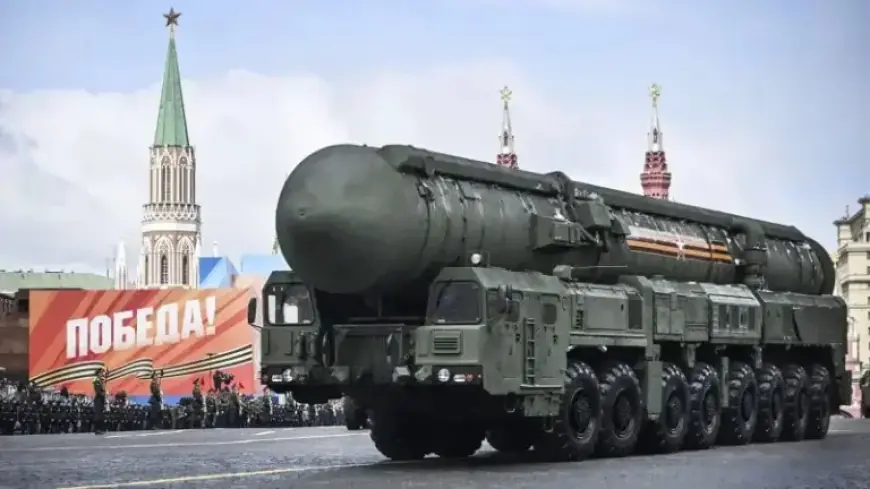
In recent years, Russia’s international status has faced significant challenges. Following the Soviet Union’s collapse in 1991, Russia transformed from a dominant global influence to a diminished power. Despite this decline, Russia maintained its position as a nuclear superpower on par with the United States. This status allowed Russia to participate in critical international discussions regarding nuclear security.
End of Key Nuclear Treaty Challenges Russia’s ‘Superpower’ Status
The New START (Strategic Arms Reduction Treaty), established in 2010 between then-US President Barack Obama and Russian President Dmitry Medvedev, was a significant arms control agreement. This treaty limited both nations to a maximum of 1,550 deployed long-range nuclear warheads. However, as this treaty expired on Thursday, concerns have risen about the future of nuclear arms control.
The Implications of New START’s Expiration
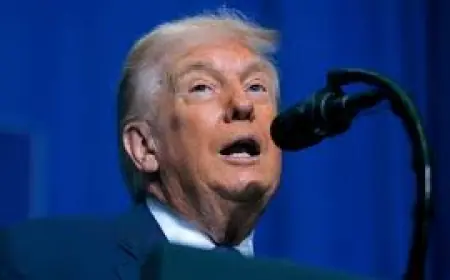
With the expiration of New START, the United States and Russia find themselves without a crucial framework to regulate nuclear weapons. Washington has been criticized for its approach to this issue. President Donald Trump previously downplayed fears about losing constraints on nuclear arms, suggesting that a new deal could be negotiated later.
- New START Treaty Signed: 2010
- Maximum Nuclear Warheads Allowed: 1,550 per country
- Expiration Date: Thursday (specific date not mentioned)
Russia’s Reaction and Concerns
In Moscow, the response to the treaty’s expiration has been one of alarm. Dmitry Medvedev, now a security official, warned about the dangerous implications of losing nuclear constraints. He indicated that the situation could escalate tensions to a critical level, even if it does not immediately result in conflict.
Dmitry Peskov, the Kremlin spokesman, expressed concern that the lack of a nuclear arms control agreement could endanger global security. He emphasized that both the United States and Russia possess the largest nuclear arsenals, and their absence of an agreement could lead to heightened instability.
The Broader Context of Nuclear Arms Control
The expiration of New START highlights not only the challenges facing Russia but also the changing dynamics in the international security landscape. The U.S. administration has shown interest in incorporating emerging nuclear powers, such as China, into future treaties. This shift may signal a departure from traditional bilateral agreements focused solely on U.S.-Russia relations.
As geopolitical landscapes evolve, the future of nuclear arms control remains uncertain. Russia’s diminished economic state complicates its ability to match U.S. military advancements, potentially exacerbating existing disparities in power and influence. The end of New START thus marks a significant turning point in arms control and global nuclear policy.