





















Trump Criticizes CNN’s Kaitlan Collins After Epstein Survivors Inquiry

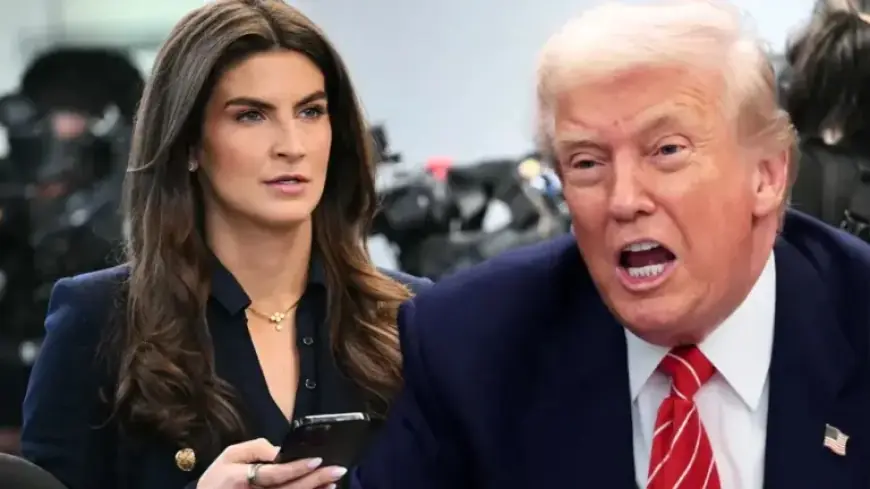
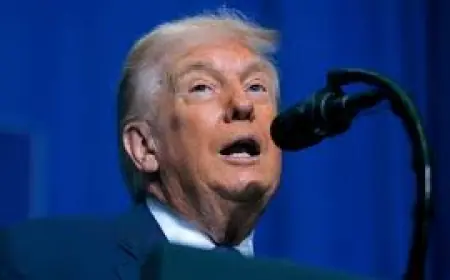
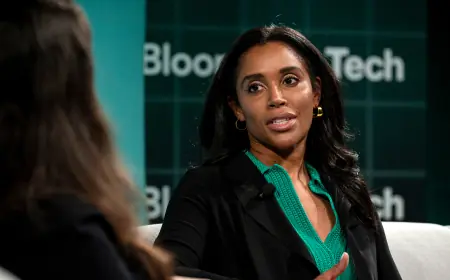
In a recent press briefing, former President Donald Trump ignited controversy with his critical remarks directed at CNN’s Chief White House Correspondent, Kaitlan Collins. The heated exchange centered around newly released Epstein documents, causing Trump’s well-documented sensitivity to criticism to surface aggressively.
Trump’s Criticism of CNN’s Kaitlan Collins
During the question-and-answer session, Collins inquired about millions of pages of heavily redacted documents related to Jeffrey Epstein, provoking an immediate backlash from Trump. He described Collins as “the worst reporter,” attributing CNN’s low ratings to her performance.
Trump continued by questioning Collins’ demeanor, suggesting her serious attitude was indicative of dishonesty within CNN. Despite Collins’ attempt to redirect the conversation toward Epstein victims, Trump shifted his focus to other journalists present.
Epstein Documents and Survivors’ Concerns
This confrontation arose as survivors of Epstein are expressing dissatisfaction with the Justice Department’s handling of the case. Collins highlighted the importance of transparency, mentioning that crucial witness interviews were entirely redacted.
- Collins emphasized the voices of survivors, indicating they are unhappy with the current state of disclosures.
- She pointed out that significant portions of relevant documents are blacked out, raising further questions about transparency.
Reactions to Trump’s Comments
Shortly after the incident, CNN released a statement endorsing Collins as an “exceptional journalist,” underlining her reporting skills and the trust audiences place in her work.
In response to the exchange, Collins maintained her professionalism, stating to a colleague that the issue at hand should not be treated lightly, especially considering the survivors’ experiences.
Pattern of Attacks on Female Journalists
This incident is not an isolated case; Trump has a history of making disparaging comments toward female reporters. Previously, he has referred to other journalists with derogatory terms, including remarks aimed at Catherine Lucey and Rachel Scott.
Commentators have begun to express concern over Trump’s behavior, suggesting that such actions could normalize disrespect toward women in the media. Gretchen Carlson, a former Fox News anchor, condemned Trump’s treatment of Collins, calling it disgraceful and a reflection of poor leadership.
As discourse surrounding the Epstein case intensifies, the media’s role in presenting these critical issues becomes ever more significant. The tension between Trump and Collins may symbolize broader conversations about accountability and transparency in reporting.