






















Minneapolis Homeland Security Officers to Receive Body Cameras, Announces Noem

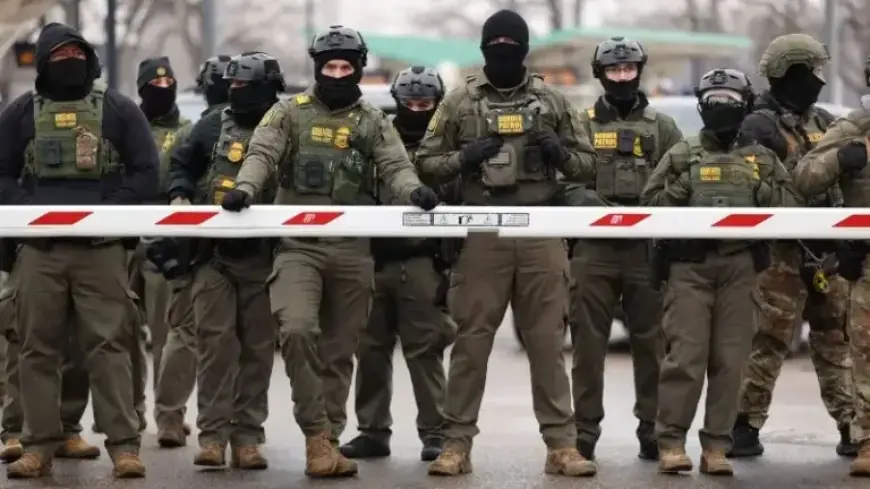
In a significant move for law enforcement transparency, Secretary Kristi Noem announced that all Homeland Security officers in Minneapolis will be equipped with body cameras. This initiative is effective immediately and aims to enhance accountability during field operations.
Body Cameras for Homeland Security Officers
The decision to implement body cameras in Minneapolis stems from prolonged calls for such measures from both advocates and critics of the Department of Homeland Security (DHS). This includes officers from Immigration and Customs Enforcement (ICE) and Customs and Border Protection (CBP). The goal is to ensure recorded evidence during interactions, especially in tense situations.
Expansion Plans for Nationwide Implementation
Noem indicated that as funding becomes available, the body camera initiative will expand nationally. The DHS plans to acquire and deploy these cameras to officers across the United States.
Context of the Decision
The push for body cameras follows several high-profile incidents involving DHS officers. Notably, two separate cases—one involving the shooting of Renee Good and another related to Alex Pretti—raised concerns about accountability. Following the shooting of Pretti, investigators reviewed body camera footage from that event, indicating the importance of such recordings in understanding events leading to critical incidents.
Response from Government Officials
- White House Press Secretary Karoline Leavitt stated that conversations regarding body camera requirements were ongoing.
- President Donald Trump deferred the decision-making on body cameras to Noem, expressing general support for such measures.
- Senator Ron Johnson endorsed the use of body cameras, stating he doesn’t view it as problematic, although he opposes certain Democratic proposals related to immigration enforcement.
Funding and Legislative Background
Noem’s announcement coincided with a temporary funding extension for the DHS agreed upon by Senate Democrats and Trump. This deal allows for continued negotiations surrounding the tactics employed by ICE. The funding bill has successfully passed the Senate, with House Republicans now under pressure to act.
As discussions about immigration enforcement continue, body cameras are becoming a focal point of reform. Their implementation may symbolize a broader shift in the transparency and accountability of law enforcement practices.