






















Ramadan 2026: Fasting Guidelines and Vaccination Advice Explained

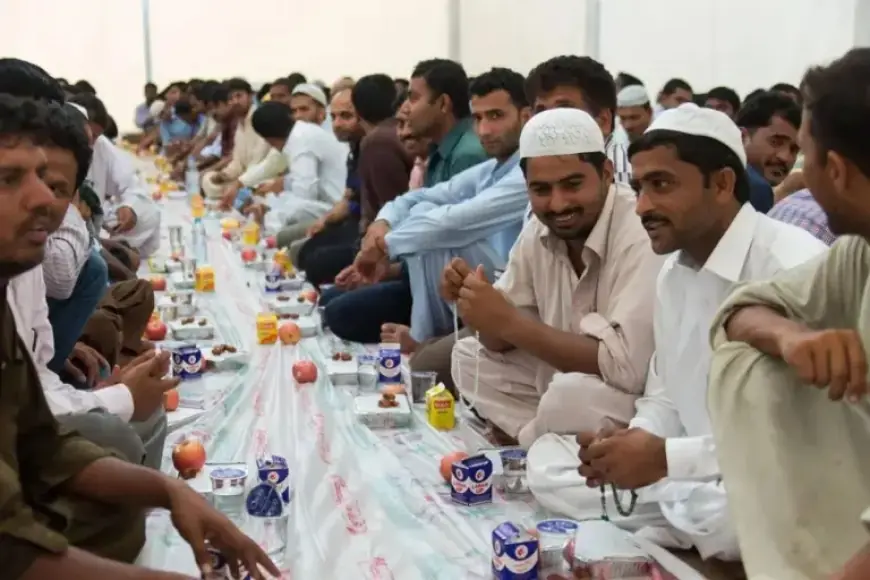
As Ramadan approaches, Muslims worldwide are preparing for a month of fasting and reflection. In 2026, Ramadan is expected to begin on February 17. This sacred period often sees a significant increase in travel, particularly to Mecca and Medina in Saudi Arabia, for family visits and Umrah pilgrimages.
Fasting Guidelines for Ramadan 2026
Fasting during Ramadan is a fundamental practice for Muslims. It entails abstaining from food, drink, and other physical needs from dawn until sunset. During this time, it’s essential to maintain a balanced diet to support energy levels.
Vaccination Advice During Fasting
Questions about vaccinations during fasting often arise. According to the Mayo Clinic, receiving a vaccine does not break a fast. Vaccines are injected and do not have nutritional value, so they can be administered during daytime hours without any concerns.
- Vaccination is encouraged, especially if traveling for Umrah or Hajj.
- Consult with healthcare providers about necessary vaccines in advance.
Mandatory Vaccinations for Travel to Saudi Arabia
Travelers to Saudi Arabia must adhere to specific vaccination requirements. The UK Foreign, Commonwealth and Development Office (FCDO) stipulates that several vaccines are mandatory for pilgrims:
- Meningococcal Vaccine (MenACWY): Required for all pilgrims aged 1 year and older.
- Polio Vaccine: Recommended for travelers, especially those coming from certain regions.
- Yellow Fever Vaccine: Required only if traveling from a high-risk area.
Proof of vaccination must be provided at least 10 days before arrival in Saudi Arabia. Vaccinations are valid for 3 to 5 years, depending on the type. It’s crucial to verify these requirements through the Saudi Ministry of Health or TravelHealthPro prior to departure.
Travel Tips for Ramadan
As you prepare for your journey:
- Plan to arrive before Ramadan begins to settle down and adjust.
- Consume balanced meals during Suhoor and Iftar to maintain energy levels.
- Stay hydrated during non-fasting hours.
Please be mindful of the cultural significance of fasting and avoid eating, drinking, or smoking in public during daylight hours. Maintain personal safety by practicing good hygiene and using sun protection, especially while traveling in warm climates.
Post-Travel Health Considerations
After returning from your journey, monitor your health closely. Seek medical attention if you feel unwell, particularly if symptoms arise after visiting areas with malaria risk. Complete any prescribed malaria medication and report severe symptoms to your healthcare provider. Follow health guidelines regarding respiratory symptoms to ensure a smooth transition back home.
For more information on health and travel during Ramadan, visit Filmogaz.com.