
























New Reforms Allow Victorian GPs to Diagnose and Prescribe ADHD Medications

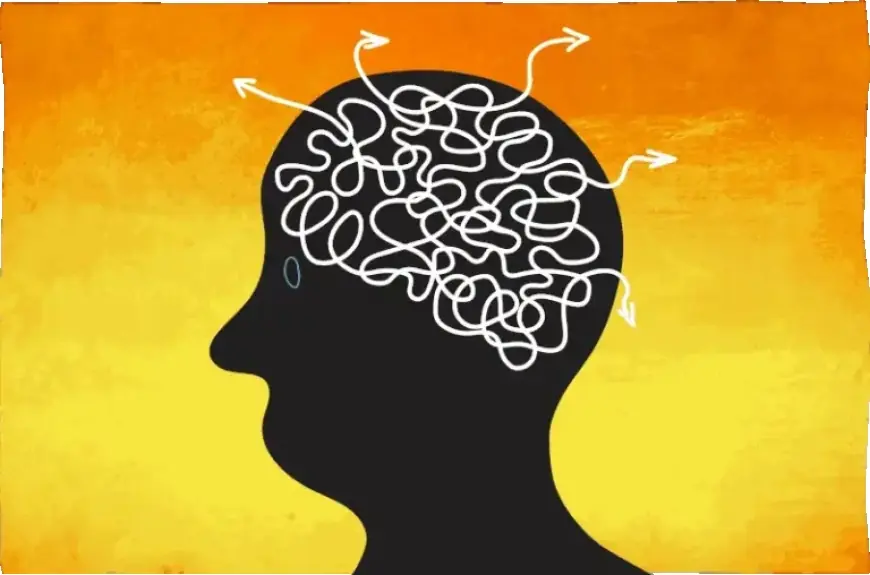
In a significant shift to healthcare in Victoria, the Allan government will enable general practitioners (GPs) to diagnose and prescribe ADHD medications. This reform aims to streamline the process and make ADHD treatment more accessible for patients.
Details of the Reform
The announcement will be made by Premier Jacinta Allan, with training set to begin for 150 GPs. This accredited training is budgeted at $750,000, funded by taxpayers, and is expected to be completed by September 2026.
Current Challenges in ADHD Diagnosis
Currently, ADHD diagnosis and treatment require specialists, which can lead to extended waiting times and high costs. An average comprehensive assessment can exceed $2,000 out of pocket and typically involves a waiting period of six to twelve months. Under the new guidelines, GPs will receive specialized training allowing them to diagnose, treat, and prescribe ADHD medication directly.
Government’s Perspective
Mental Health Minister Ingrid Stitt emphasized the importance of the reforms, highlighting the substantial impact untreated ADHD can have on individuals’ lives. Stitt stated that this initiative will give more Victorians the chance to thrive in various aspects of life, including education and work.
Broader Context and Comparisons
This development in Victoria follows similar initiatives in Queensland, New South Wales, South Australia, and Western Australia. For instance, New South Wales announced funding for GPs to receive the necessary accreditation for ADHD diagnosis earlier this year. Queensland, on the other hand, has allowed fully qualified GPs to diagnose ADHD in adults without requiring additional training.
Growing ADHD Diagnoses in Australia
- Over 800,000 individuals diagnosed with ADHD across Australia.
- ADHD Foundation Australia estimates up to 1 million people may be affected.
- Royal Australian College of General Practitioners estimates 163,000 children and 320,000 adults in Victoria may have ADHD.
- Recent pharmaceutical data indicated a 450% increase in adult ADHD medication prescriptions from 2012 to 2022.
Concerns and Considerations
Although GPs will have expanded abilities, some mental health experts emphasize the need for specialist oversight. Dr. Astha Tomar from the Royal Australian and New Zealand College of Psychiatrists expressed concerns regarding potential misdiagnoses. Proper training and collaboration with psychiatrists are essential to ensure accurate diagnosis and effective treatment.
Importance of a Collaborative Approach
The proposed changes will also consider non-medical treatments, including behavioral therapy and education. This comprehensive approach aims to ease the burden on psychiatrists and paediatricians, who are currently overwhelmed with demand.
Conclusion
The Allan government’s reform is a pivotal step in making ADHD care more accessible for families in Victoria. By empowering GPs to diagnose and prescribe ADHD medications, the state aims to address long-standing issues associated with the diagnosis and treatment of the disorder.