





















Trump Reduces US Tariffs on India from 50% to 18%

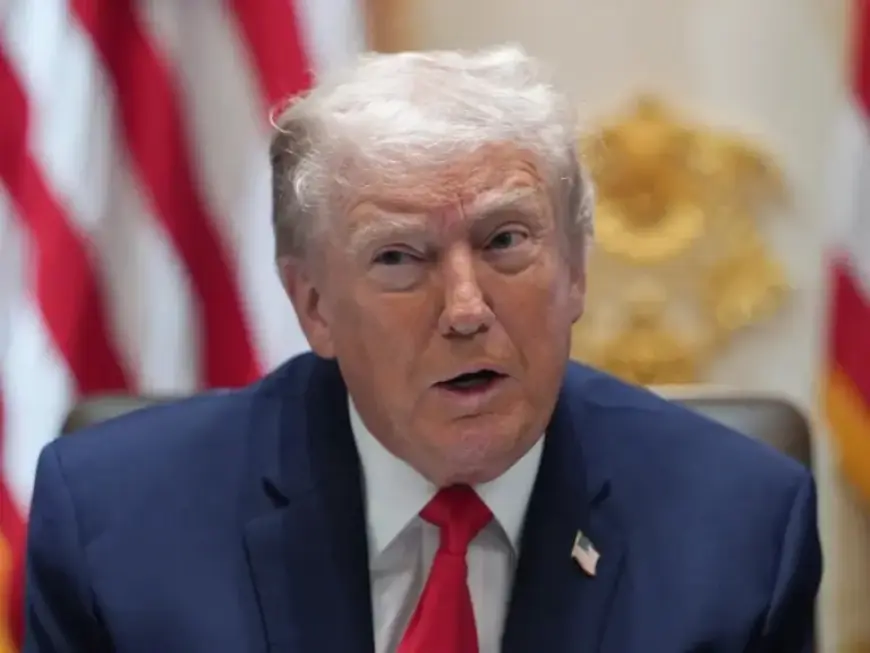
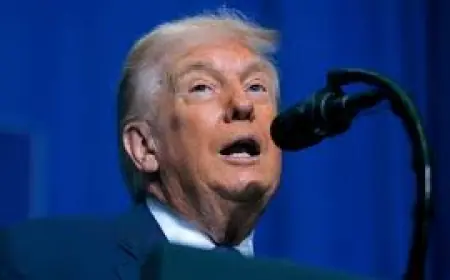
In a significant development, President Donald Trump has announced a substantial reduction of US tariffs on Indian goods, decreasing the rate from 50% to 18%. This move comes in response to India’s commitment to lower trade barriers and halt its purchases of Russian oil, opting instead for US and potentially Venezuelan oil supplies.
Details of the Tariff Reduction
The tariff reduction applies to a range of Indian imports and marks a shift in the trade dynamics between the United States and India, two of the world’s largest democracies. Trump communicated this decision after a call with Indian Prime Minister Narendra Modi, emphasizing the cooperative nature of this agreement.
Context and Background
- Previously, a punitive 25% tariff was imposed on Indian goods due to their purchasing of Russian oil.
- The decision to lower tariffs was part of broader negotiations aimed at enhancing trade relations.
- Prime Minister Modi has pledged to procure over $500 billion worth of US energy, technology, and agricultural products as part of this deal.
Reactions and Implications
Modi expressed his gratitude to Trump on social media, stating, “Big thanks to President Trump on behalf of the 1.4 billion people of India for this wonderful announcement.” However, experts urge caution regarding the long-term implications of this agreement.
- Trade analyst Rachel Ziemba noted that while the 18% tariff is competitive, it remains unclear if this constitutes a comprehensive trade deal.
- Vina Nadjibulla pointed out that while Modi’s response was positive, he did not confirm any reciprocal tariff reductions on US goods.
Trade Dynamics Moving Forward
The reduction in tariffs comes amid tense trade negotiations, which saw US duties on Indian imports escalate last August. As India is the world’s third-largest oil importer, the shift towards US and Venezuelan oil could reshape its energy strategy, especially following recent sanctions on Russian oil.
India’s oil imports from Russia have recently started to decline, shifting from 1.2 million barrels per day in January to an estimated 800,000 barrels per day in March. This change follows India’s efforts to diversify its oil sources in light of evolving international relations.
Moreover, this tariff reduction is announced just days after India concluded a free trade agreement with the European Union, potentially impacting trade dynamics for around two billion people involved. The agreement aims to facilitate free trade on numerous goods, thus reducing import taxes and enhancing economic cooperation.
Conclusion
As both nations navigate the intricacies of international trade, this tariff reduction signals a recalibration of relations that could influence future economic strategies. The bilateral agreement reflects an important breakthrough, yet challenges remain in defining the framework of their trading partnership.