





















Venezuela’s Acting President Proposes Law to Release Hundreds of Political Prisoners

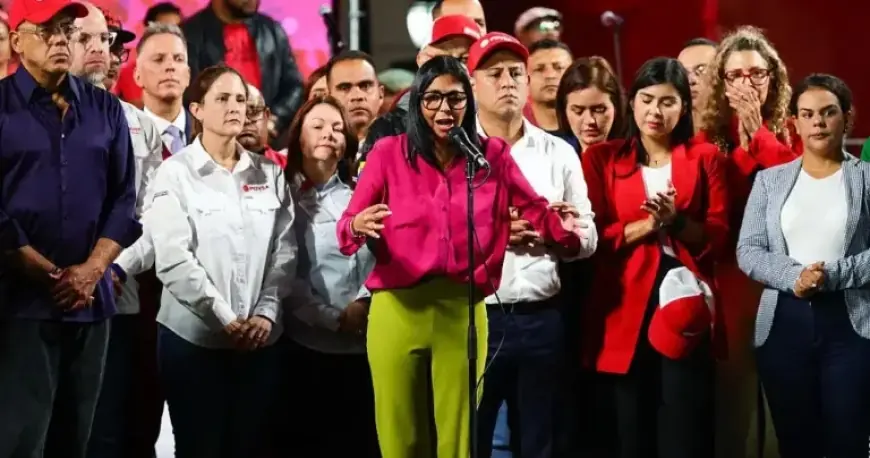
On January 3, 2024, Delcy Rodríguez was appointed as Venezuela’s acting president. Recently, she announced a proposed amnesty law that could lead to the release of numerous political prisoners, including opposition leaders, activists, and journalists.
Proposed Amnesty for Political Prisoners
Rodríguez’s proposal comes amid ongoing political unrest and was largely welcomed by the U.S.-backed opposition. This initiative aims to heal the divisions caused by years of political violence and extremism in the country. During her address to government leaders and military officials, she emphasized the need for reconciliation among Venezuelans.
Release of U.S. Citizens
In a related development, the U.S. Embassy announced the release of all American citizens detained in Venezuela. However, reports indicate that at least four Americans were still being held recently. This follows a previous prisoner exchange in July, which involved the release of ten Americans in exchange for 252 Venezuelans.
Political Context and Human Rights Concerns
The proposed amnesty addresses political prisoners detained for their opposition activities, with estimates suggesting approximately 711 individuals are currently imprisoned for such reasons. Among notable detainees are former lawmaker Freddy Superlano and María Corina Machado’s lawyer, Perkins Rocha.
- Rodríguez stated that the law would cover political violence from 1999 to the present.
- Violent offenders, including those guilty of murder or human rights abuses, will not qualify for the amnesty.
- The bill lacks detailed criteria for determining eligibility.
Challenges Ahead
Many human rights advocates view the introduction of an amnesty law as a crucial step, yet express concerns about its potential for misuse. Alfredo Romero, president of the Venezuelan prisoners’ rights group Foro Penal, highlighted the importance of the law being inclusive and transparent.
Rodríguez’s government previously indicated intentions to release a considerable number of prisoners, but progress has reportedly been slow. Human rights organizations, like Provea, have condemned this delayed approach, demanding a more rapid and comprehensive release of political prisoners.
Public Response and Future Implications
Families of detainees expressed hope during Rodríguez’s announcement, with chants of “Freedom!” echoing outside detention facilities. However, critics such as María Corina Machado argue that these actions result from international pressure rather than genuine governmental goodwill.
As Venezuela navigates its complex political landscape, the proposed amnesty law may serve as a pivotal measure towards fostering dialogue and addressing human rights violations. Yet, the effectiveness of this initiative will depend heavily on its implementation and the government’s willingness to embrace genuine reform.