
























New Epstein files released as DOJ posts millions of pages and draws fresh scrutiny

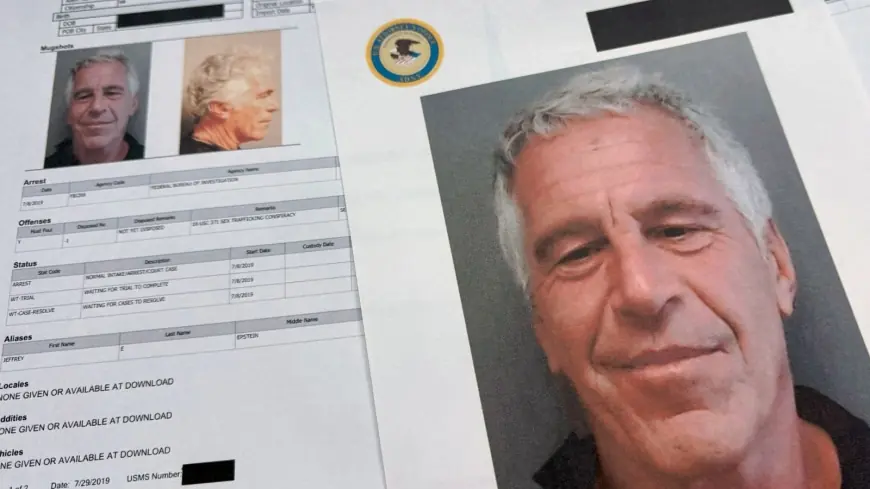
The new epstein files released today are reshaping a long-running public debate over transparency, redactions, and what the government can legally publish in cases involving jeffrey epstein. On Friday, January 30, 2026, the department of justice posted a major new tranche to its online Epstein document repository, saying it had met its obligations under the epstein files law signed in late 2025.
The release has triggered a wave of searches—“epstein files pdf,” “epstein files released,” “epstein files released today,” “new epstein files,” and “epstein files pdf”—along with renewed attention to political and celebrity name-checking that often spreads faster than verified details.
What the Epstein files are
“What are the epstein files” has one practical answer: a large, mixed set of government-held materials tied to investigations, prosecutions, and custodial matters involving epstein and related figures, including ghislaine maxwell. The collection includes documents, emails, interview summaries, and media files, with substantial redactions to protect victim identities and other sensitive information.
The current release is centered on doj production under the Epstein transparency law, distinct from earlier court unsealings that circulated online. In many of the downloadable items, identifying details are blacked out, and some materials are withheld or altered where required by law.
What was released and how much
The us department of justice describes the project as a large-scale review across multiple investigations over more than two decades, with victims’ privacy protections applied throughout. The core numbers now driving the news cycle are summarized below.
| Category | Volume (approx.) | Notes |
|---|---|---|
| Potentially responsive pages identified | 6,000,000+ | Includes duplicates across systems |
| Responsive pages released in latest tranche | 3,000,000+ | Posted Jan. 30, 2026 (ET) |
| Total pages released to date | ~3,500,000 | DOJ says this satisfies the act |
| Videos included | 2,000+ | Redactions may apply |
| Images included | 180,000+ | Redactions may apply |
A separate “library” interface has also been updated for search and download, often referenced in queries like “doj epstein library” and “doj epstein files.”
Redactions, oversight pressure, and what happens next
The release is being tested on two fronts: whether redactions were narrowly applied, and whether the government can claim full compliance after identifying more than six million potentially responsive pages while releasing a smaller total of responsive pages.
Congressional oversight has quickly focused on access to unredacted materials for review. That push adds a near-term calendar item: a February 11, 2026 (ET) appearance by Attorney General Pam Bondi before the House Judiciary Committee, where lawmakers may press on the scope of withholding and the rationale for specific redactions.
Deputy Attorney General todd blanche has become a focal point in this phase, with calls for members of Congress to be allowed to inspect unredacted versions under controlled conditions.
Viral name searches and why they can mislead
As the epstein files trump and “trump epstein files” searches surge, online chatter has also blended verified documents with rumor-heavy lists. Many posts circulate “donald trump epstein files,” “trump epstein,” and “trump epstein news” alongside unrelated or unverified name-drops.
The same dynamic shows up in celebrity-driven searches, including “bill gates epstein,” “melinda gates,” “bill clinton,” “elon musk epstein,” “jay z,” “pusha t,” “pusha t epstein files,” “jamie foxx,” “robin leach,” “noam chomsky,” “woody allen,” “harvey weinstein,” “mira nair,” “les wexner,” “howard lutnick,” “casey wasserman,” “josh harris,” “peggy siegal,” “dr peter attia,” “peter attia,” and “peter attia md.” Names appearing in search trends or social posts do not, by themselves, show that a person is in the files, or that any wrongdoing is established.
Some searches also fold in unrelated topics—“nascar,” “pizzagate,” and even misspellings like “epstien files”—which can further blur what is genuinely in the government release versus what is being amplified as a viral narrative.
How to read the documents without jumping to conclusions
For anyone looking up “doj epstein files pdf,” “new epstein files pdf,” “new epstein files released,” or “epstein files released,” the key is to separate three categories: (1) government disclosure sets, (2) court records already public from prior litigation, and (3) third-party compilations that may omit context or splice screenshots without authentication.
A mention of a name in a document can reflect many possibilities—an email chain, a tip, a contact list entry, or an investigative lead—and does not automatically indicate criminal conduct. Likewise, heavy redactions can mean privacy protection, sealed information, or material restricted by law. For now, the forward focus is on whether oversight demands expand access to unredacted files for lawmakers and whether additional uploads or corrections appear in the repository as technical and privacy issues surface.
Sources consulted: U.S. Department of Justice, Associated Press, CBS News, The Guardian