























ICE Memo Expands Authority for Warrantless Deportation Arrests

A recent memo issued by Immigration and Customs Enforcement (ICE) expands the agency’s authority regarding warrantless deportation arrests in the U.S. This directive allows ICE officers to detain individuals suspected of being in the country illegally without an administrative warrant under certain conditions.
Expanded Authority Under New ICE Memo
The memo, released by acting ICE director Todd Lyons, broadens the criteria for making warrantless arrests. It specifies that officers can act if they believe a person encountered during operations might flee before a warrant can be obtained. This approach enhances ICE’s flexibility to apprehend unauthorized immigrants who are not the primary targets of an operation.
Definition of Collateral Arrests
These detentions are referred to as “collateral arrests.” They often involve individuals facing civil immigration violations but lacking serious criminal backgrounds. The memo underscores that these arrests can be made without a warrant if officers suspect that the individual is likely to escape.
Legal Framework for Warrantless Arrests
- ICE agents typically require an administrative warrant to carry out an arrest.
- Warrants are signed by ICE employees rather than judges.
- Warrantless arrests are permissible if agents believe the individual will likely evade capture.
Lyons’ memo revises the interpretation of what constitutes “likely to escape.” Previously, this term was associated with a person’s potential to be a “flight risk” in judicial proceedings. Lyons asserts that an individual is deemed “likely to escape” if they are unlikely to remain at the location where they are encountered.
Factors Influencing Arrest Decisions
To determine whether someone is likely to flee, ICE officers should consider various factors:
- Refusal to comply with commands.
- Attempts to evade officers.
- Presence in a vehicle.
- Possession of potentially fraudulent documents.
- Risk of prosecution for illegal entry or re-entry.
Backlash and Community Response
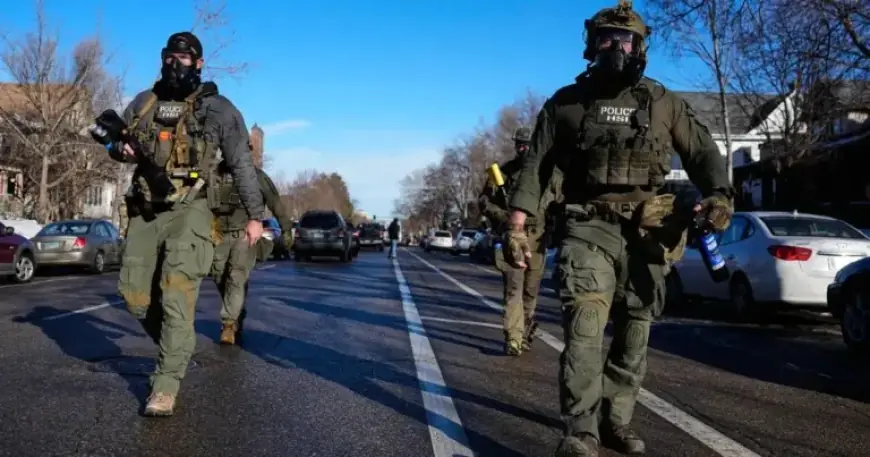
The implementation of these policies has faced significant criticism, particularly following increased ICE operations in the Minneapolis area. Local leaders and residents have protested against the agency’s aggressive tactics. Tensions have escalated due to recent incidents involving federal agents, including the fatal shootings of two Minneapolis residents, Renee Good and Alex Pretti.
The new ICE directive and its implications highlight ongoing debates about immigration enforcement in the U.S., stressing the need for balancing public safety and the rights of individuals in immigration proceedings.