

























Discover Asia’s Hidden UNESCO Gems: Macau, Bali, South Korea, India, Japan

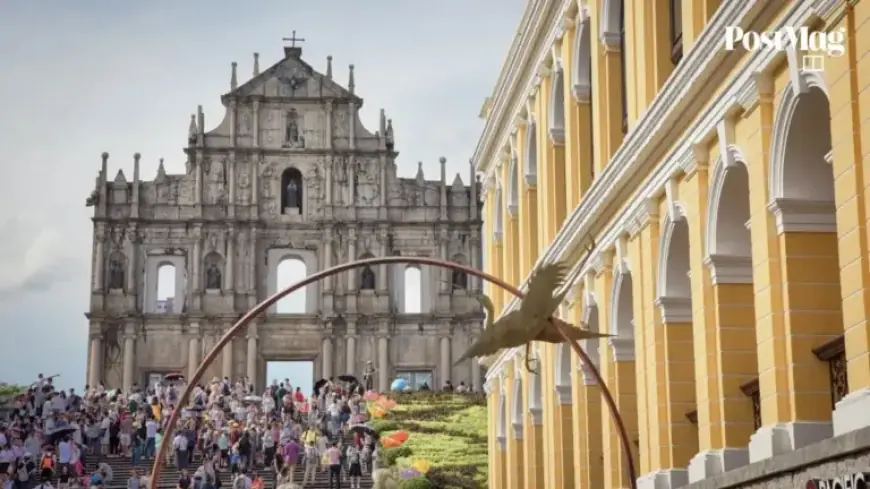
While many UNESCO World Heritage sites in Asia capture global attention, numerous hidden gems remain underappreciated. Among these, the Historic Centre of Macao, sacred forests of Japan, and ancient cave temples of India offer unique cultural insights. Each of these sites tells a distinct story, showcasing the rich diversity of Asia.
Discover Asia’s Hidden UNESCO Gems
Historic Centre of Macao
The Historic Centre of Macao stands as a remarkable testament to cultural fusion. Entered into UNESCO’s list in 2005, this site encompasses 22 distinguished buildings scattered across the Macanese peninsula. Highlights include:
- Dom Pedro V Theatre: A beautiful 19th-century venue.
- Senado Square: A bustling public space perfect for people-watching.
- A-Ma Temple: Dating back to 1488, it’s the oldest temple in Macau.
- Ruins of St. Paul’s College: Remnants of a 17th-century institution.
- Monte Fort: A historical fortification offering panoramic views.
Macau’s return to China in 1999 marked the end of over 400 years of Portuguese colonial rule. The mixture of colonial architecture and Chinese influences makes the Historic Centre a fascinating example of cultural interplay, resulting in a unique urban landscape.
Sacred Forests of Japan
Japan’s sacred forests represent a distinct cultural heritage. These regions, often steeped in Shinto beliefs, are integral to Japan’s spiritual landscape. The ancient cedar trees and serene paths attract visitors seeking tranquility and reflection. Here, nature and spirituality coexist harmoniously.
India’s Ancient Cave Temples
The cave temple complex in India illustrates architectural ingenuity dating back 1,500 years. These intricate structures are not only religious sites but also manifestations of India’s historical narrative and artistic traditions. They offer insights into the spiritual practices and craftsmanship of ancient civilizations.
Bali’s Cultural Landscapes
Bali, famed for its serene landscapes, is also home to significant UNESCO sites. The island’s cultural landscape includes rice terraces, temples, and traditional villages, showcasing the unique balance between nature and agriculture. Visitors can explore these areas to appreciate Balinese traditions.
South Korea’s Historic Areas
South Korea features several sites recognized by UNESCO for their historical significance. These include ancient palaces, Confucian academies, and royal tombs. Each site reflects the nation’s rich history and cultural evolution through the ages.
These lesser-known UNESCO World Heritage sites in Asia offer visitors a chance to experience authentic cultural expressions. From the vibrant streets of Macao to the tranquil forests of Japan and the spiritual caves of India, these gems deserve recognition and exploration.