
























Federal Judge Removes Death Penalty from Luigi Mangione Case

A federal judge in Manhattan has ruled against the use of the death penalty in the case against Luigi Mangione, a 27-year-old accused of murdering the chief executive of UnitedHealthcare, Brian Thompson, in 2024. Judge Margaret Garnett announced her decision while still allowing the trial to proceed on two additional counts, which could result in a life sentence without parole.
Key Developments in the Mangione Case
- Judge’s Ruling: The court dismissed two charges, including one related to the death penalty, based on Judge Garnett’s 39-page opinion.
- Trial Date: Jury selection is scheduled for September 8, 2024.
- Prosecution’s Response: The U.S. attorney’s office has not decided whether to appeal the ruling.
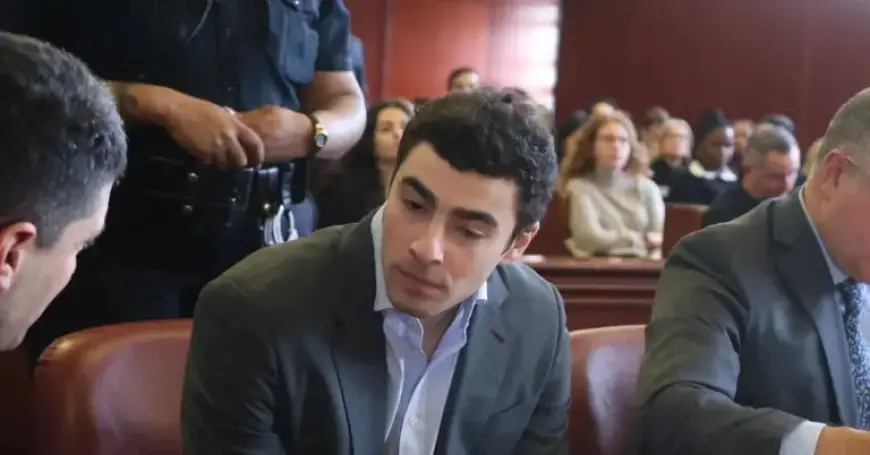
During a recent hearing, Mangione appeared with his legal team, dressed in tan prison scrubs, as the prosecution prepared to move forward with the trial. The decision marked a significant setback for the Trump administration’s push to reinstate the death penalty in federal cases, particularly following Attorney General Pam Bondi’s announcement in April that prosecutors would seek capital punishment.
Background of the Case
The indictment against Mangione includes four charges: two for stalking, one for firearms offenses, and one for using a firearm in the commission of murder. His lawyers argued against the death penalty, stating that the stalking counts do not qualify as “crimes of violence.” Judge Garnett found merit in this argument, acknowledging that her decision may seem unconventional.
Ongoing Legal Challenges
In addition to the federal charges, Mangione faces a second-degree murder charge in state court, carrying a sentence of 25 years to life. His legal troubles have captured public attention following the fatal shooting of Thompson on a Manhattan sidewalk.
- Indictment Dates: Mangione was arrested on December 9, 2024, five days after the shooting.
- Evidence Seizure: The judge ruled that evidence obtained from Mangione’s backpack at the time of his arrest can be used in court.
Prosecutors have expressed their intention to proceed with the case, demonstrating their readiness to adhere to the established trial schedule. Meanwhile, Mangione’s defense has garnered public support, with attorney Karen Friedman Agnifilo thanking supporters while celebrating the judge’s recent ruling, which she described as “incredible.”
Public Reactions
Outside the courtroom, advocates like William Dobbs from Death Penalty Action showcased their support for Mangione. He expressed hope that the judge’s ruling signals progress in the justice system amidst ongoing debates about capital punishment.
The unprecedented nature of this case highlights the intersections of legal strategy and political influences in the U.S. judicial system, particularly concerning the future of the death penalty under changing administrations.